EMPOWERING WELLNESS WORLDWIDE
The Global Wellness Institute (GWI) is a nonprofit 501(c)(3) dedicated to empowering wellness worldwide through research, education, and collaboration.
Across six pillars—Research, Geography of Wellness, Initiatives, Wellness Evidence, The Wellness Moonshot, and BBC StoryWorks—GWI provides free, authoritative resources that unite industries and drive positive change.
JOIN OUR COMMUNITY
2026 Global Wellness Summit
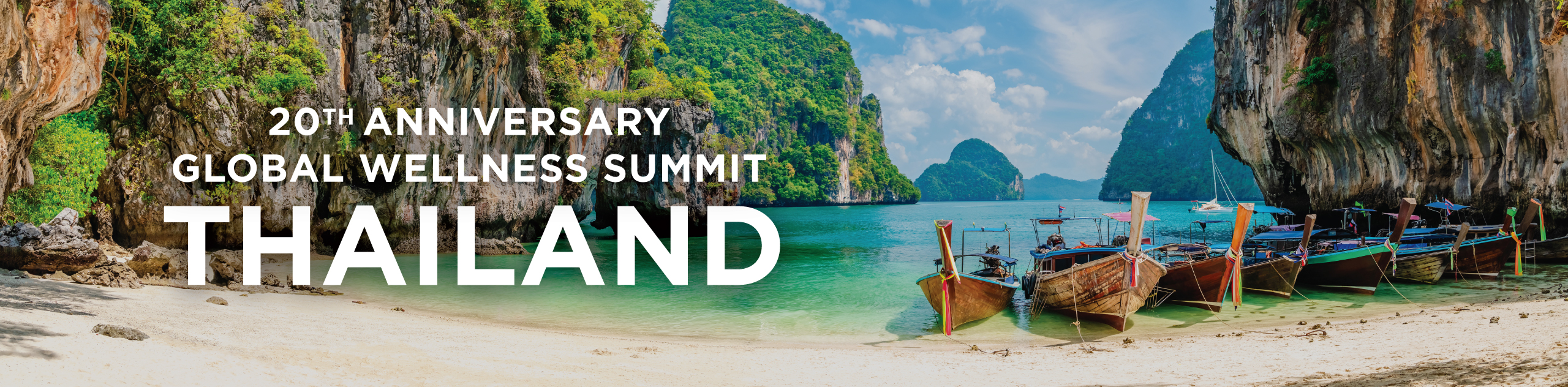
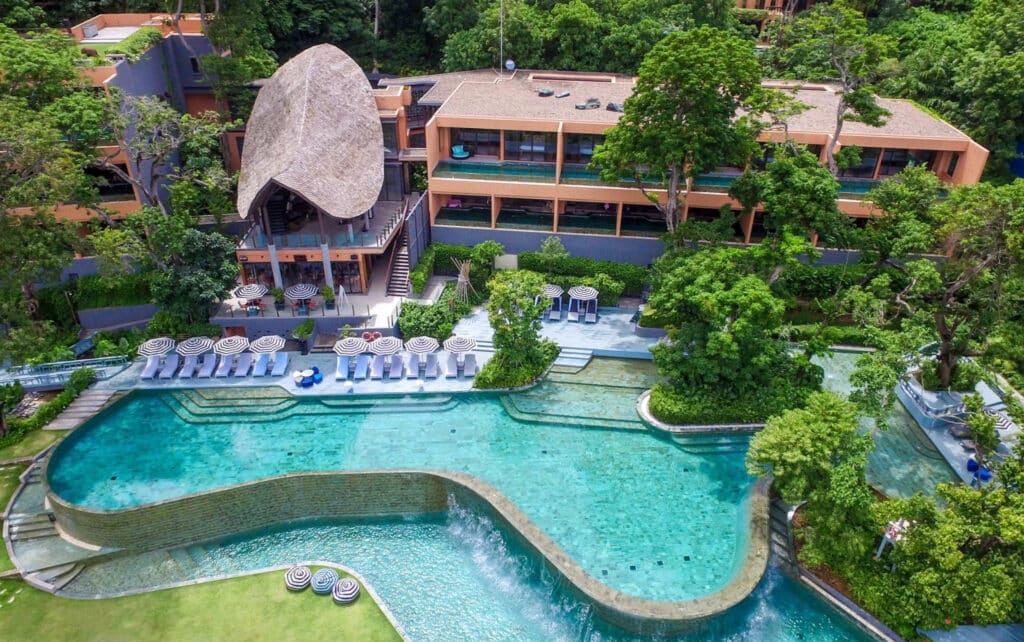
This year’s 20th anniversary Global Wellness Summit, the foremost gathering of international leaders in the now $6.8 trillion global wellness economy, will be held at Angsana Laguna Phuket, Thailand. This prestigious gathering of international thought leaders shaping the business of wellness will take place from November 10-13, 2026 with the theme “The Science, Art and Soul of Wellness.” Learn More.
Be in the Room When New Wellness Economy Data Is Revealed
2026 Global Wellness Economy Monitor Coming Soon!
At the 2026 Global Wellness Summit in Phuket, GWI Senior Research Fellow Katherine Johnston will unveil new findings from the 2026 Global Wellness Economy Monitor, revealing where the wellness economy is growing, where investment is flowing, and what’s shaping the future. Join global leaders, investors and innovators for the data, context and conversations behind the numbers.
Wellness Business Day Tours Offered at the 2026 GWS
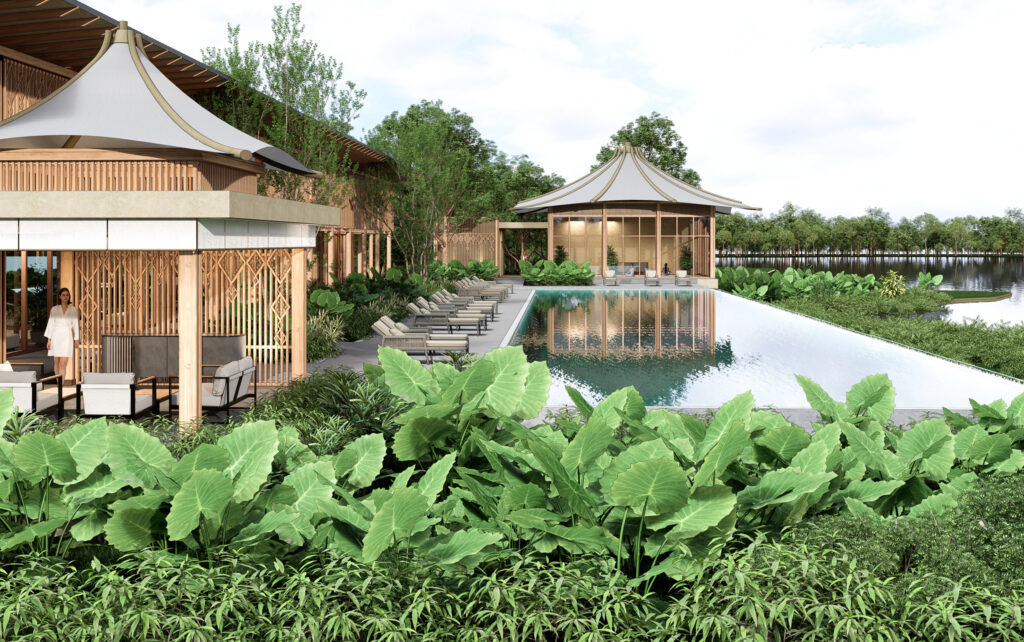
Clinique La Prairie Health Resort
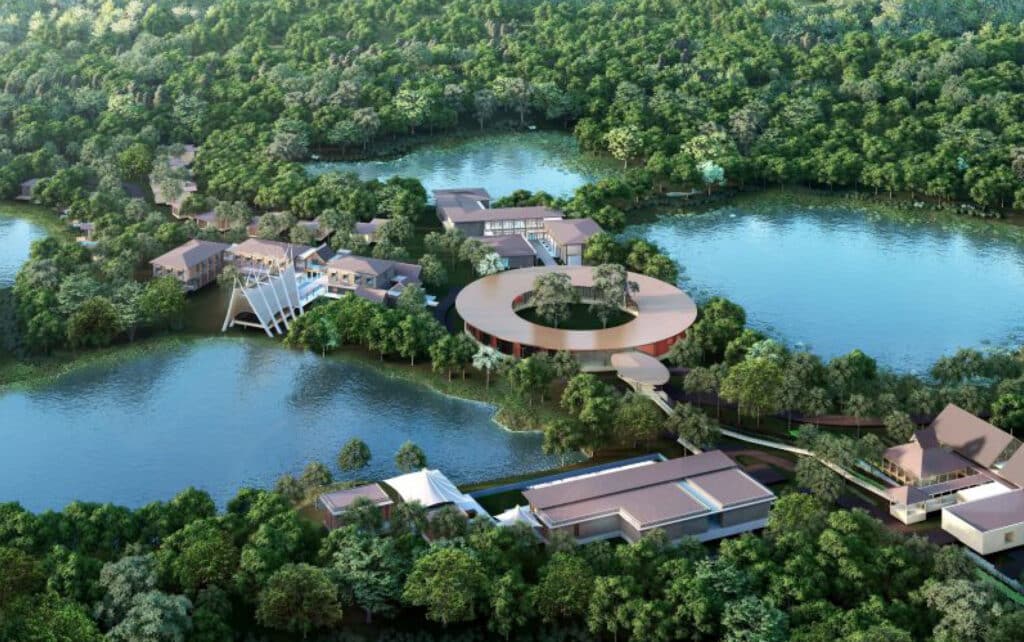
Tri Vananda

JARA Wellness Center at Trisara Resort
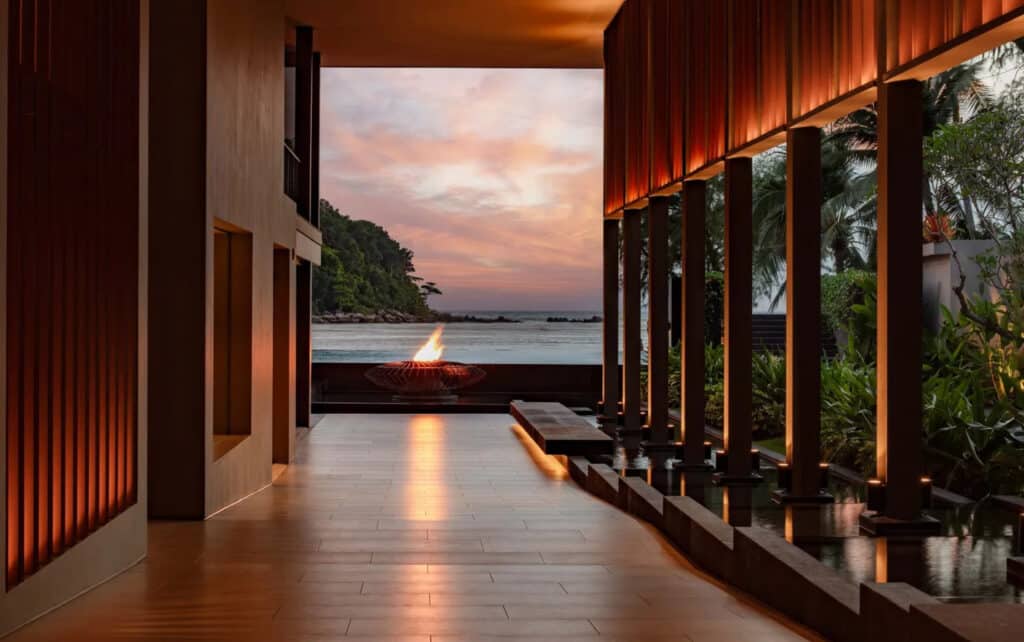
Layan LIFE by Anantara
BDMS Wellness Clinic
2026 Global Wellness Summit delegates, discover some of Thailand’s most innovative wellness businesses on a guided pre- or post-Summit day tour. Curated by the founder of Compare Retreats, Dervla Louli Musgrave, the full-day tour including lunch showcases five inspiring businesses that blend ancient healing traditions with modern wellness practices. Spa and wellness business consultant, educator, podcaster and journalist Lisa Starr will lead the pre-Summit tour on Monday, November 9, while Dervla will lead the post-Summit tour on Saturday, November 14. Learn More.
2026 Build Well to Live Well: Case Studies, Volume 2
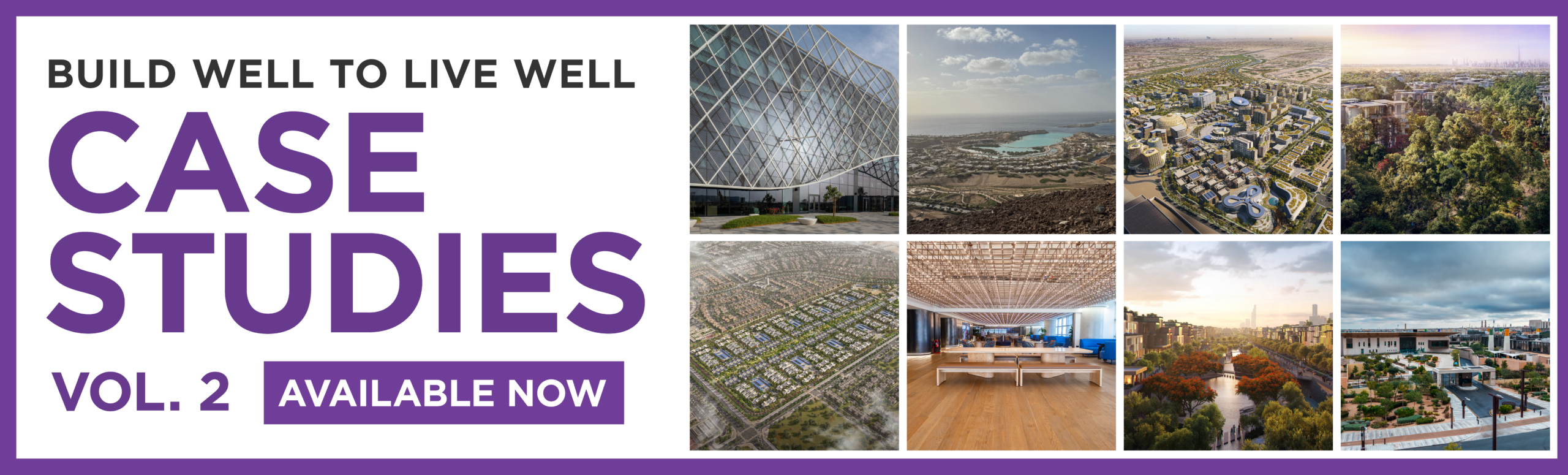
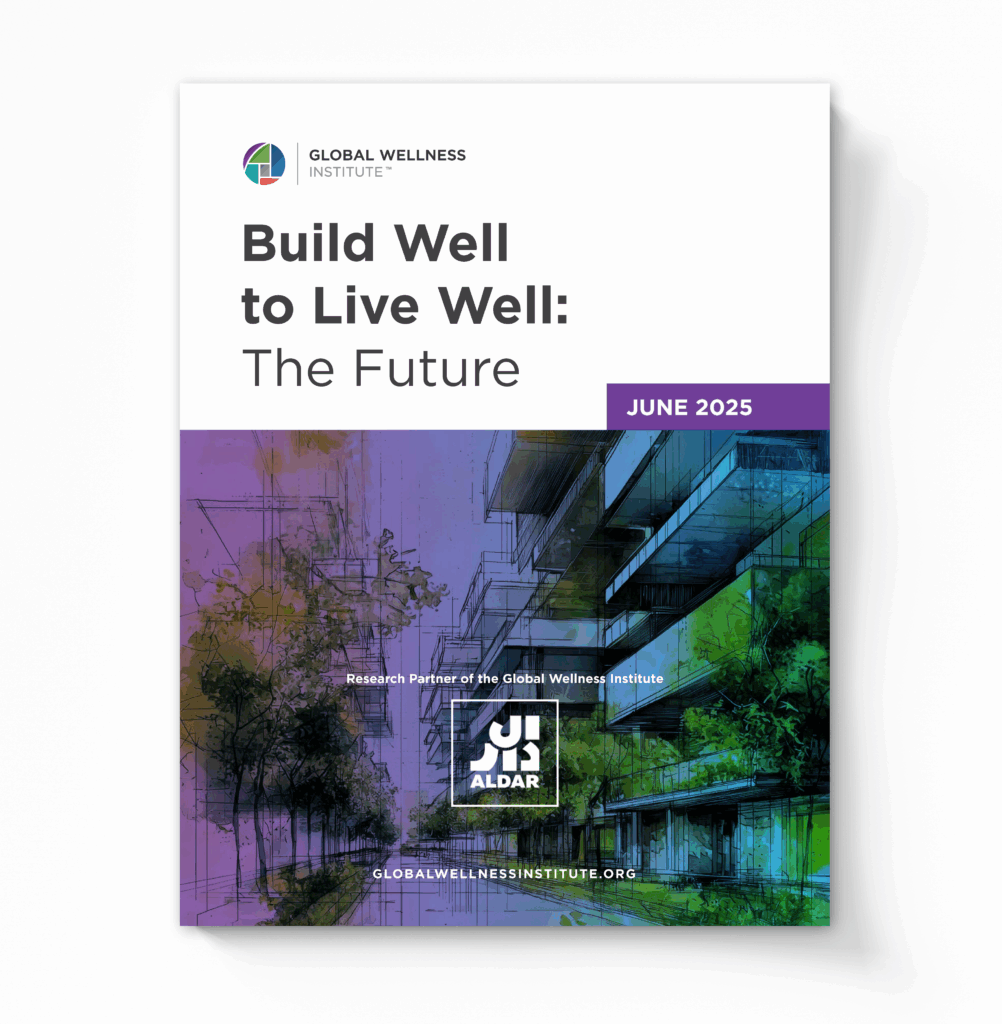
Build Well To Live Well Case Studies, Volume 2 showcases some of the most exciting, ambitious, and impactful wellness real estate projects in the Middle East, drawing from recent site visits by GWI researchers in Saudi Arabia, Dubai, and Abu Dhabi. These case studies demonstrate how wellness real estate projects can be implemented on the largest scale, integrating human health with sustainability, inclusivity, accessibility, economic development, and cultural relevance.. Download Today.
2026 Initiative Trends Report
The 2026 Initiative Trends report is not just another industry snapshot. It is a rare, inside look at how 27 Global Wellness Institute initiatives—spanning disciplines from real estate development and architecture to longevity, mental health, nutrition and beyond—are thinking about the future. Behind each of the 153 trends in this report are leaders who are not only studying change, but actively shaping it. Download Today.
Latest Wellness Moonshot Leadership Series Webinar Recording
Listen to our latest “The Wellness Moonshot Full Moon Celebration” webinar for a timely conversation with Luis Miguel Gallardo, Founder and President of the World Happiness Foundation and former Global Chief Marketing Officer of Deloitte. The webinar is part of the Wellness Moonshot Leadership Series offered in collaboration with Wisdom Works. Access Recording.
Singapore Wellness Economy Data
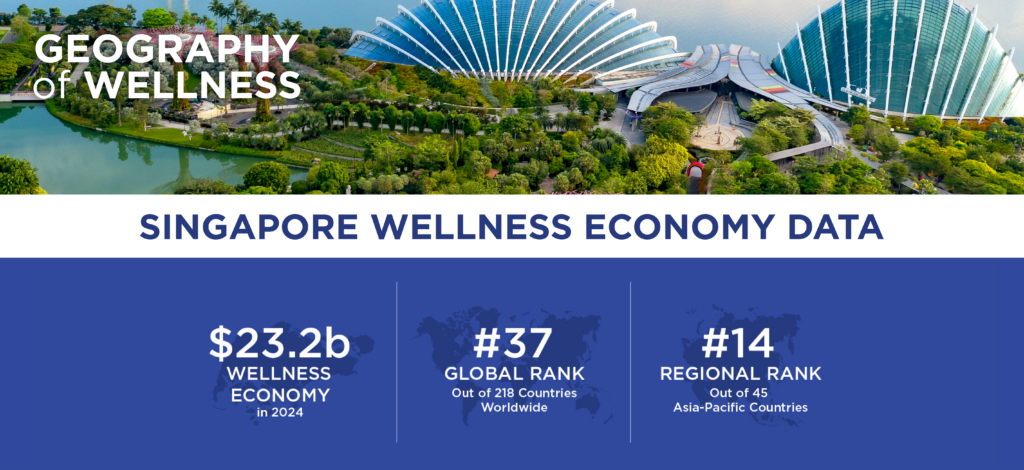
Newly released research shows that Singapore’s wellness economy reached US$23.2 billion in 2024, climbing to #37 globally from #42 in 2021. Developed in partnership with the Singapore Tourism Board as part of GWI’s Geography of Wellness platform, the report highlights Singapore’s emergence as one of the world’s leading urban wellness destinations.
Among the standout findings: wellness spending per capita reached US$3,845, more than eight times the Asian regional average, while inbound wellness tourism surpassed 1 million trips in 2024. The research also found that wellness real estate grew 28% annually between 2019 and 2024, reaching US$3.84 billion and ranking #14 globally. Learn More.
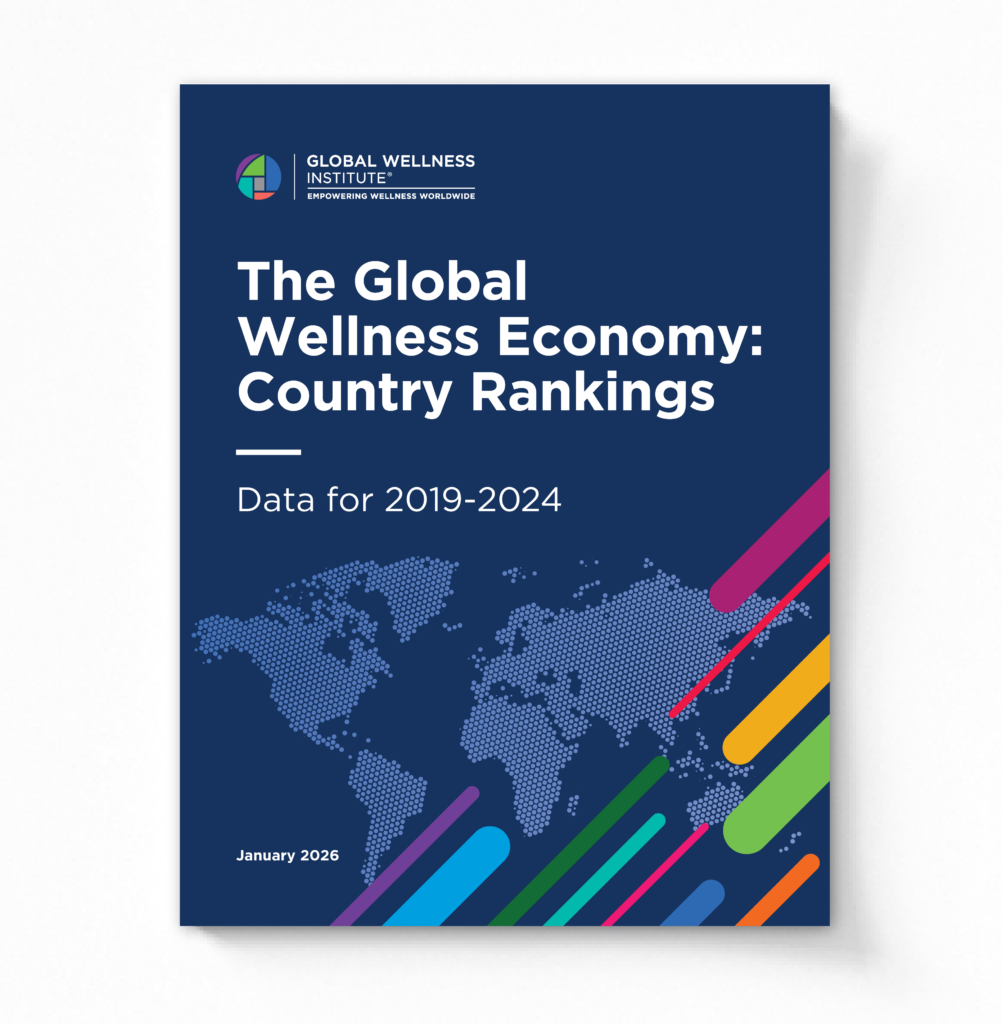
Global Wellness Economy: Country Rankings (Data for 2019-2024)
A companion to GWI’s 2025 Global Wellness Economy Monitor, this report is the only place to find detailed regional and country-level data on the size of the wellness industry. It ranks 145 countries by the size of their wellness economies, compares wellness to the size of each country’s overall economy, examines per capita spending on wellness at the country level, and explores five-year growth trends for the wellness market across different countries. The report also provides a summary analysis and data profile for the wellness economy across six global regions. Download Report.
Wellness, A Massive Economic Force
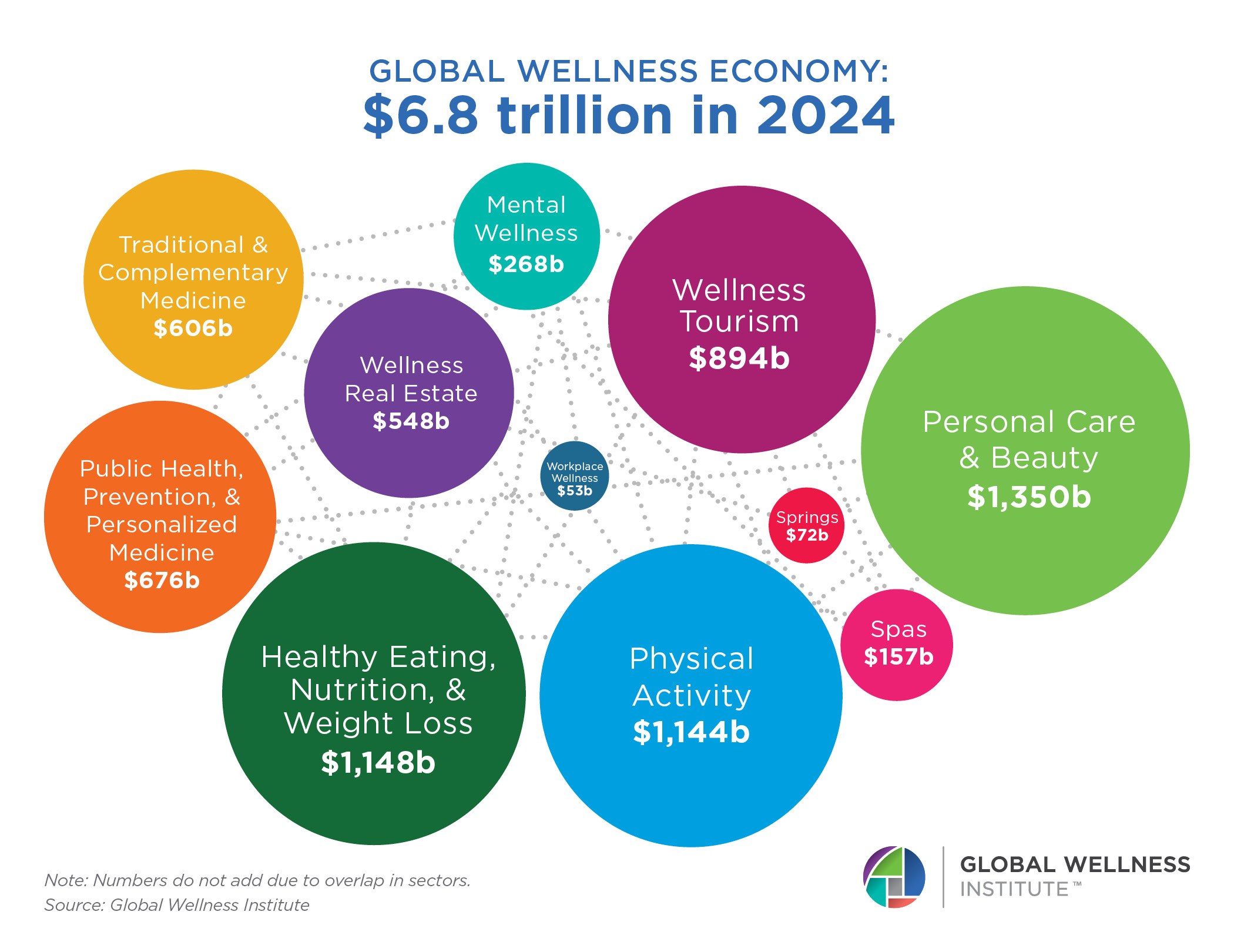
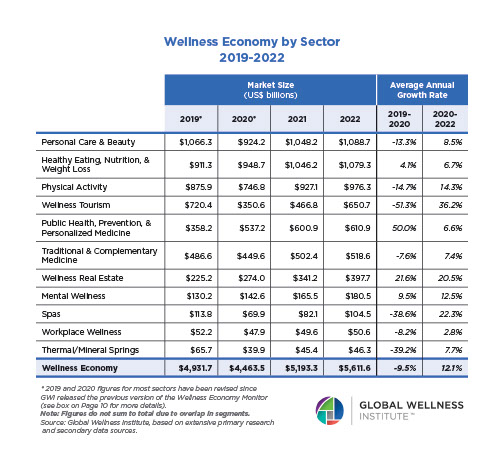
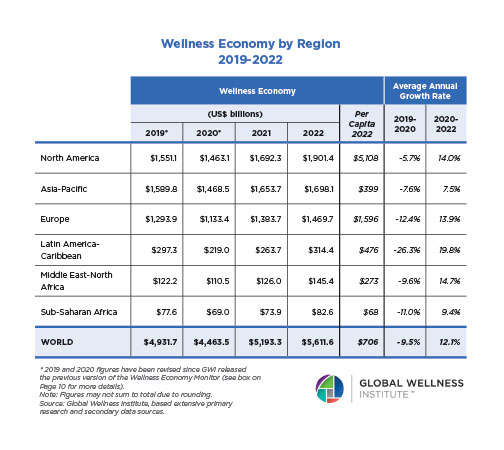
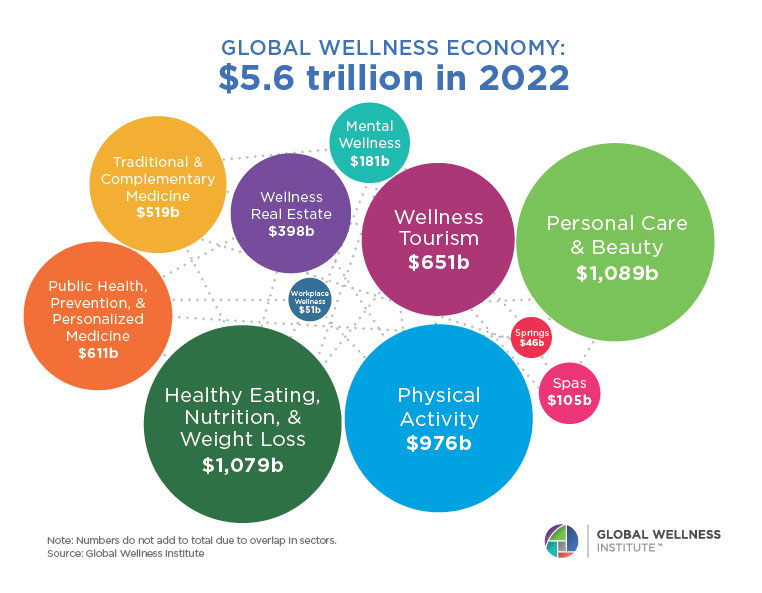
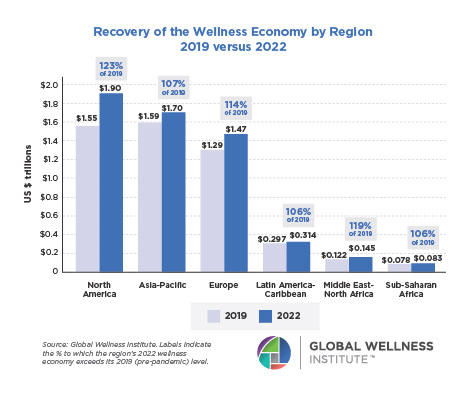
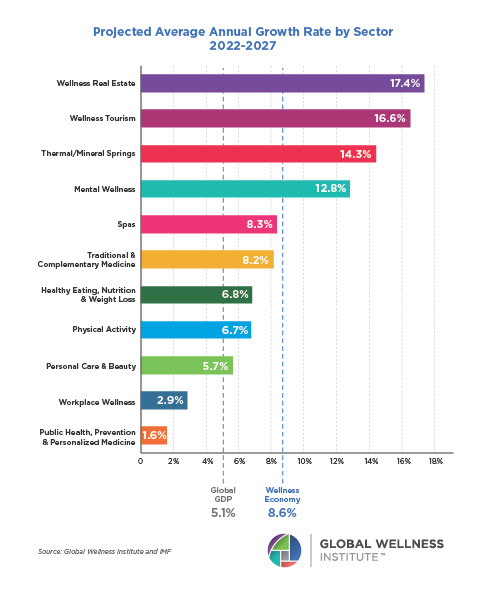
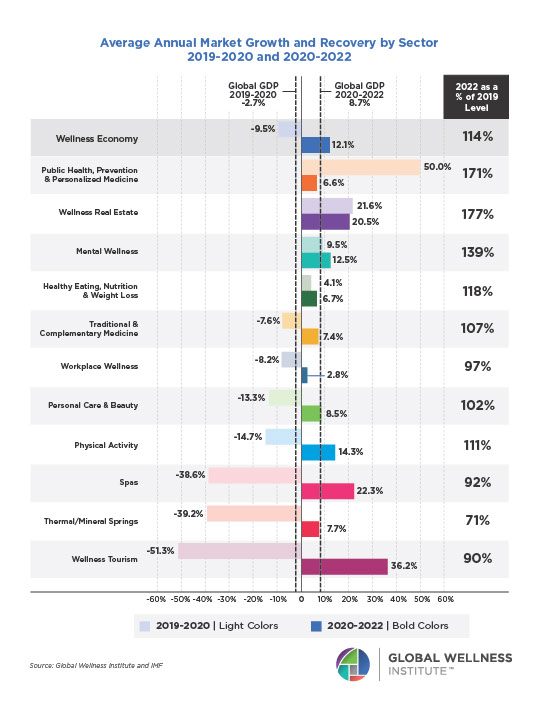
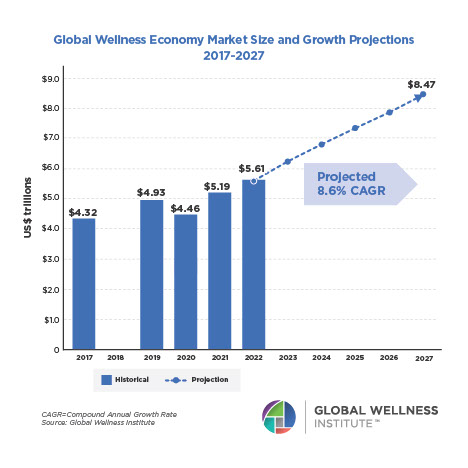
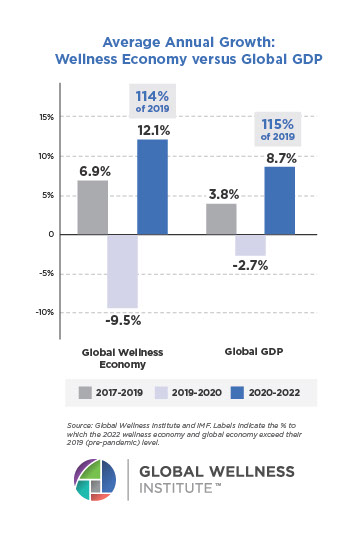
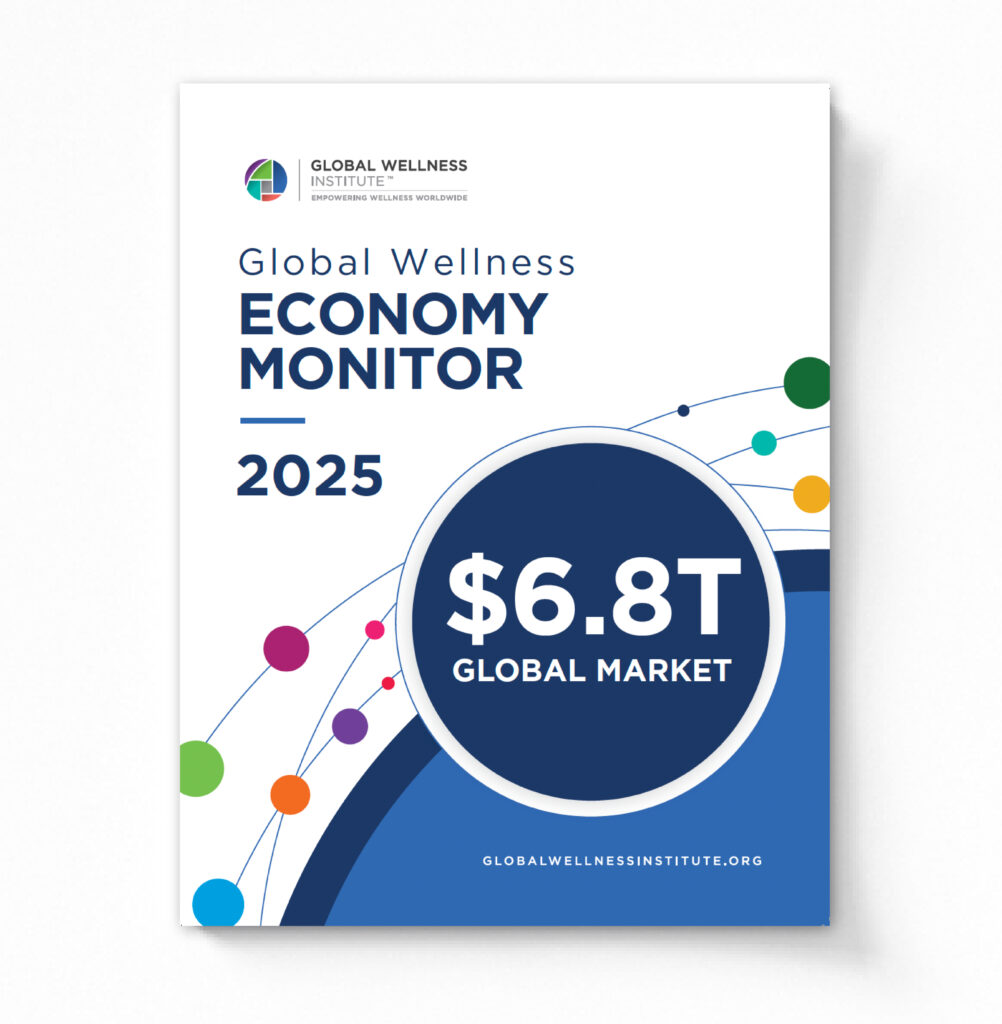
The wellness market has doubled since 2013, and grew 7.9% from 2023 to 2024, reaching a new peak of $6.8 trillion. All 11 wellness sectors now exceed their 2019 values, most by significant margins.
Wellness ($6.8T) now surpasses other global mega-industries, including sports ($2.7T), tourism ($5T), the green economy, ($5.1T), and IT ($5.3T). It’s almost four times bigger than the pharmaceutical industry ($1.8T) and is 60% as large as all global health expenditures (including consumer and government spending of $11.2T). Wellness keeps growing its share of the overall world economy: if it represented 5.7% of global GDP in 2019, and 6.1% in 2024, GWI forecasts that it will comprise 7.1% by 2029. Learn More.
The Latest


In Pursuit of Wellness Series 3

Wellness Industry Research

From the Global Wellness Brief
Sign up to receive the Global Wellness Brief >



WELLNESS Evidence







































Celebrating 10 Years of the Global Wellness Institute
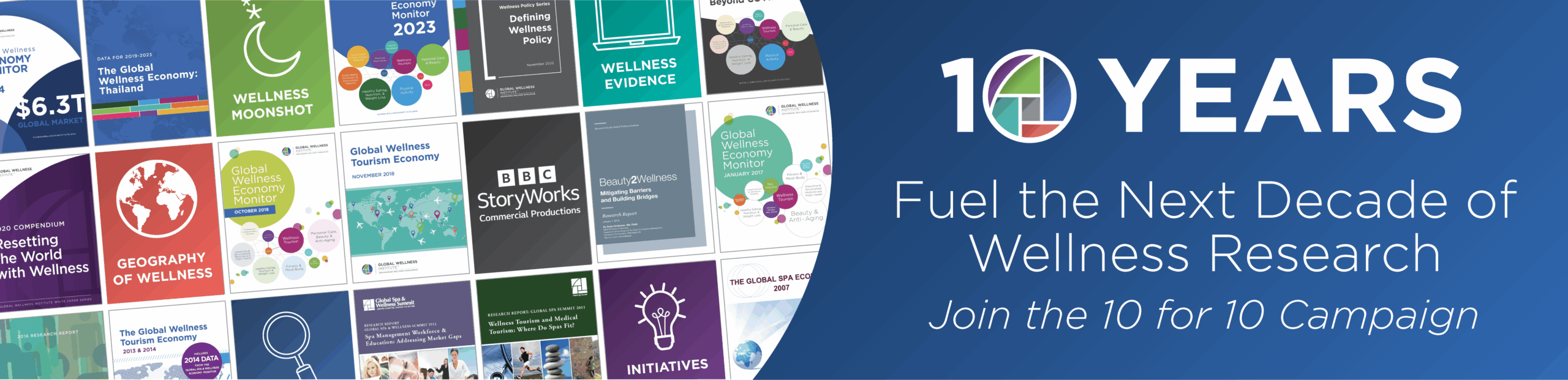
This year marks the 10th anniversary of the Global Wellness Institute. For a decade, GWI has been the leading authority on the $6.8 trillion wellness economy—providing free, trusted research to empower wellness worldwide. Now, through our 10 for 10 Campaign, we invite you to help fuel the next decade of impact. Support us today and ensure wellness research remains accessible and transformative for all.
EMPOWERING WELLNESS WORLDWIDE
RESEARCH GEOGRAPHY OF WELLNESS INITIATIVES
WELLNESS EVIDENCE WELLNESS MOONSHOT BBC STORYWORKS
The Global Wellness Institute (GWI) is a nonprofit 501(c)(3) dedicated to empowering wellness worldwide through research, education, and collaboration. Across five pillars—Research, Initiatives, Geography of Wellness, Wellness Evidence, and The Wellness Moonshot—GWI provides free, authoritative resources that unite industries and drive positive change.