New Finding: Taxing Unhealthy Products Does Change Behaviour!

Thierry Malleret dives into how one “must-watch” issue for wellness is the way in which governments are increasingly attempting to legislate to limit the consumption of unhealthy products. But the consensus is that taxing products like sugar/soda doesn’t do much to change behaviour.

Well, new evidence from Mexico, where 30 percent of the population is obese (and the average citizen drinks the equivalent of half a litre of Coca-Cola a day), shakes up that “doesn’t-work” established wisdom. Read how much consumption has dropped after new taxes—and for more insight on another “must watch” wellness issue…

Must-Reads from the Wellness World: Week of August 19, 2015

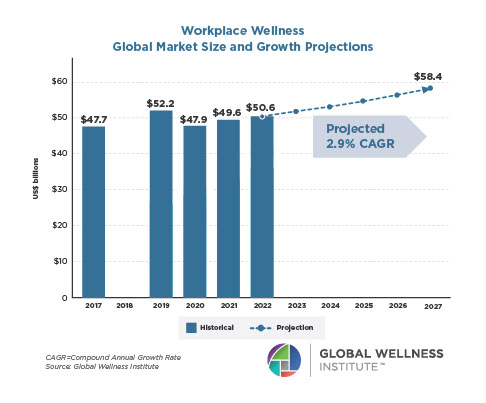
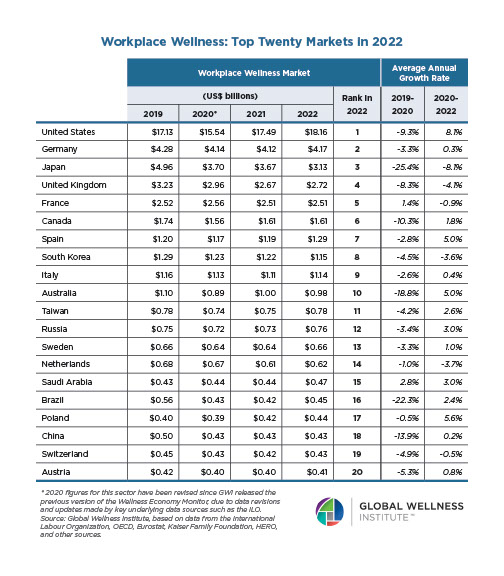
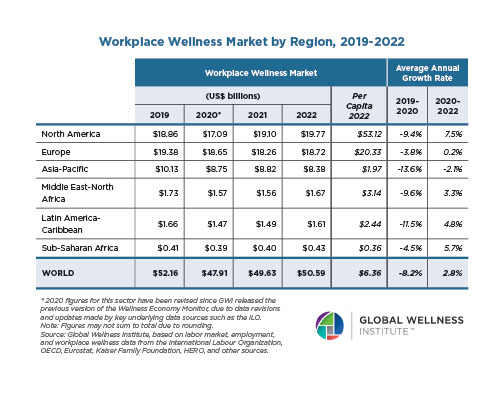
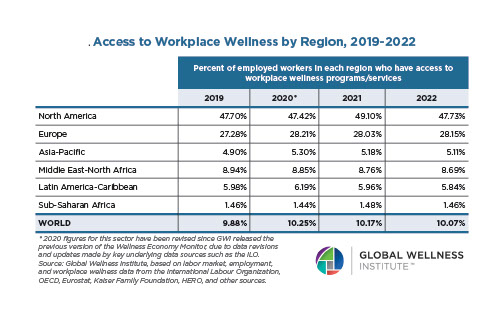
Global Wellness Institute Roundtable on “Redefining Workplace Wellness”

On July 15 the Global Wellness Institute held its seventh roundtable. This time the topic was “Redefining Workplace Wellness,” and the roundtable took place in Manhattan. Twenty-five-plus experts from high-profile organizations (like the Cleveland Clinic, the Clinton Global Initiative, Johnson & Johnson, Citi and Goldman Sachs) sat down for a wide-ranging discussion about how the very idea of “work”—and the profile of the global workforce—is now changing at lightning speed.
Women: Step Away from the Desk and Lower Your Risk of Cancer & Early Mortality

Few medical studies have analyzed the relationship between sitting and total mortality. But a large (123,216 individuals) new study from the American Cancer Society found that women who sit for more than six hours/day were 37 percent more likely to die (over the 13-year study period)—and 10 percent more likely to get cancer—than those who sat less than three hours/day. Surprisingly, the “sitting risk” was lower for men: six-plus-hour-a-day male sitters were 18 percent more likely to die, but the cancer risk was not considerably higher.

Top Ways Workplace Wellness Must Evolve in the Future

Our current workplace wellness moment is dominated by negative media and unscientific “studies” that baldly conclude that “workplace wellness doesn’t work”—along with the “selling” of programs to companies as a pure profit-driver. But the roundtable concluded that, in the future, companies will shift from a narrow focus on ROI to a recognition of wider “return on value”: not just lower healthcare costs, but important gains in retention and productivity.