There is a Workplace Wellbeing Crisis. Explore How Organizations Can Address The Growing Crisis in Workplace Wellbeing And Burnout Through A Systems-Based Approach To Lifestyle Medicine For Sustainable Organizational Wellbeing.
Our expert panel shared why bringing resilience science and lifestyle medicine into organizational practice is paramount.
THE WORKPLACE WELLBEING CRISIS: CONTEXT AND URGENCY
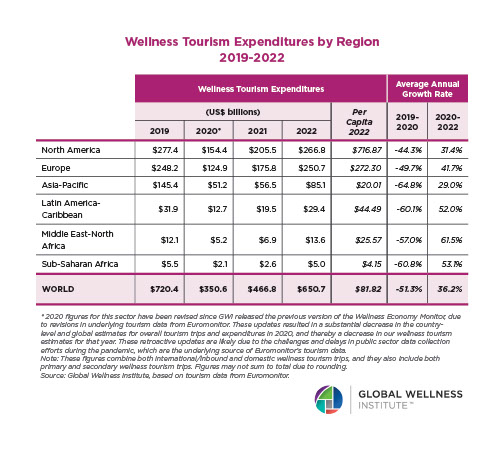
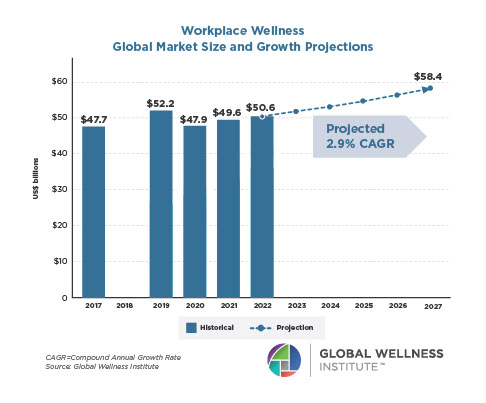
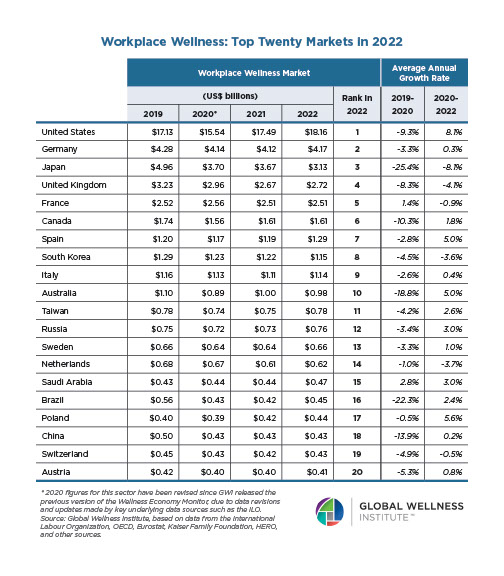
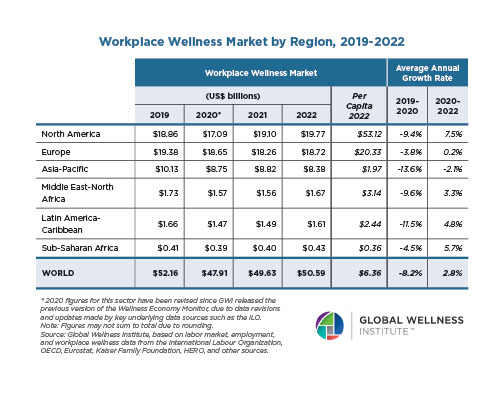
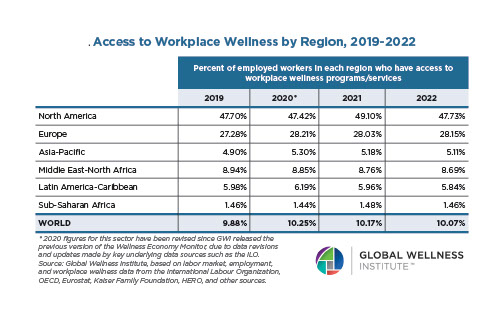
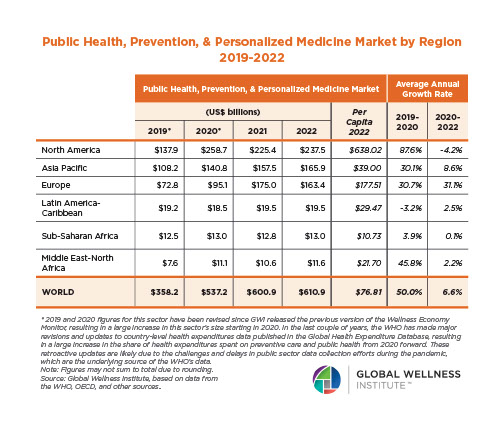
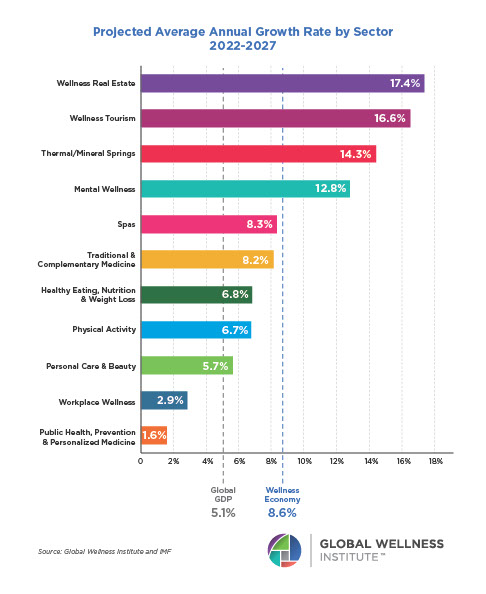
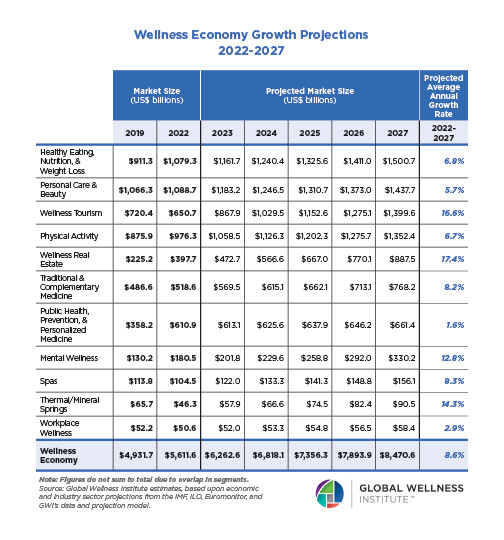
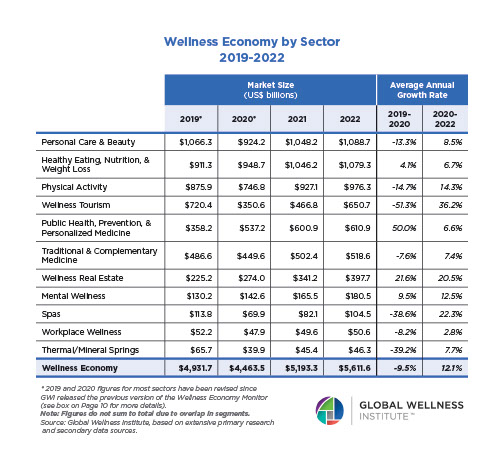
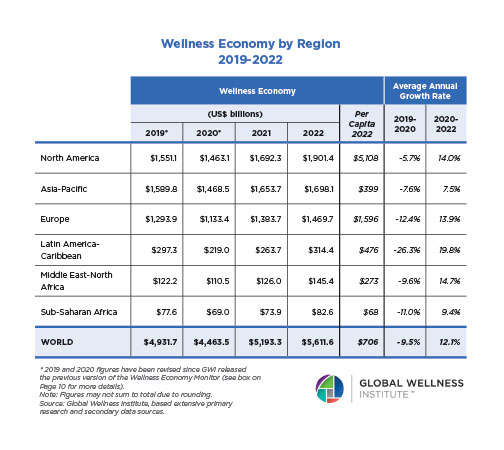
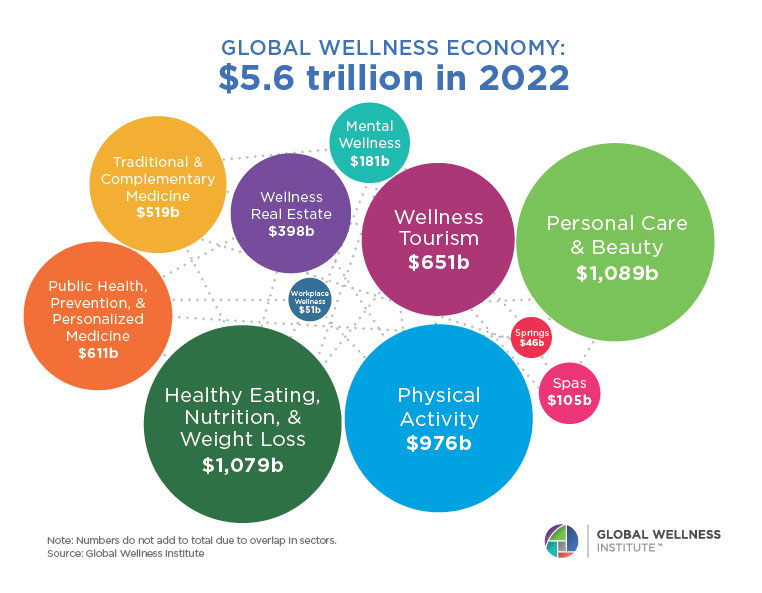
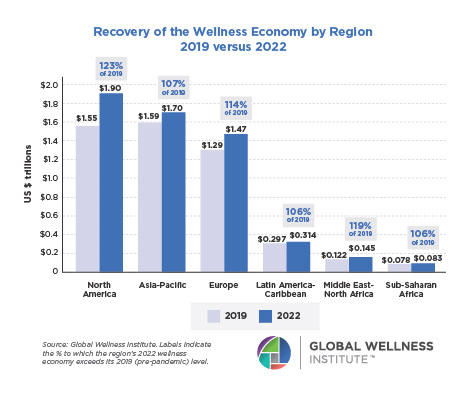
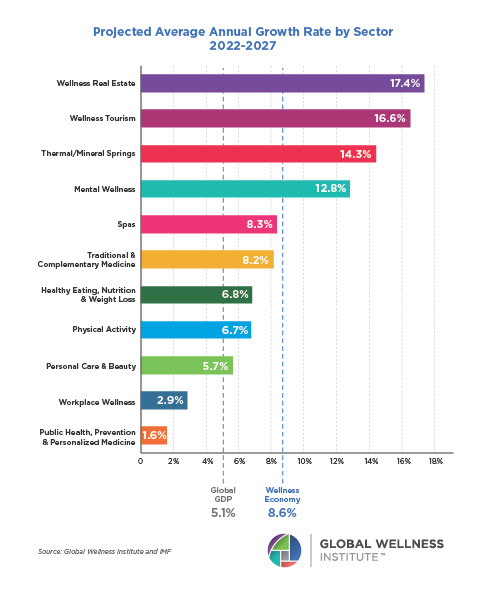
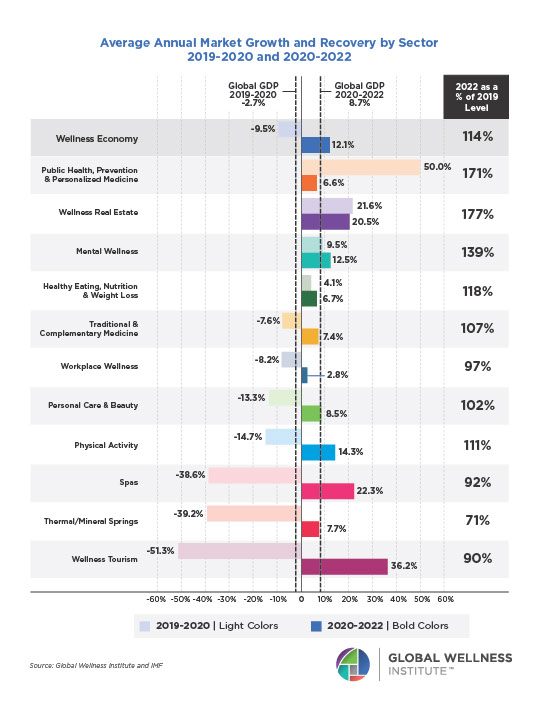
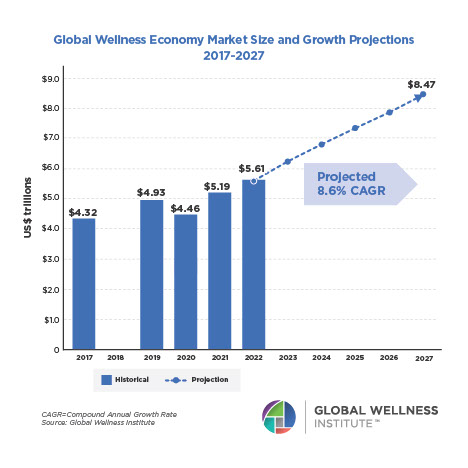
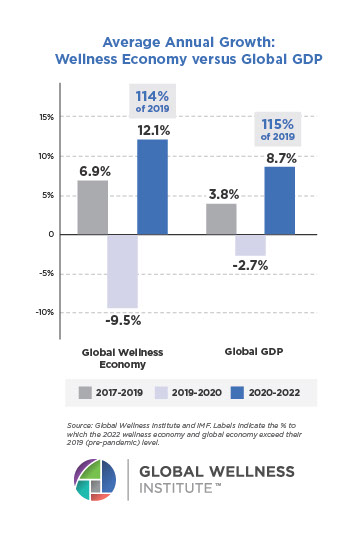
The Global Wellness Institute’s 2025 Global Wellness Economy Monitor a $6.8 trillion global wellness economy, workplace wellness is the only sector that remains below pre‑pandemic levels, with spending declining 1.5% and only 9.8% of employees having access to formal wellness programs. Meanwhile, 76% of employees globally report moderate‑to‑high stress, and burnout, now recognized as an occupational phenomenon, is driving declines in productivity, creativity, retention, and safety.
The resource deck, and the evidenced based examples provided by our team of global lifestyle medicine members, translated cutting‑edge resilience science, workplace wellness data, and lifestyle medicine evidence into actionable frameworks from three perspectives: the organizational systems approach, the science of personal and workplace resilience, and the implementation roadmap for sustainable culture change.
THE WORKPLACE WELLBEING CRISIS: CONTEXT AND URGENCY
Workplace wellness is the only wellness sector that has not recovered from the pandemic. While the global wellness economy reached $6.8 trillion in 2024, workplace wellness spending declined 1.5% between 2023 and 2024, with annual growth of just 0.7% from 2019 to 2024, the slowest of all 11 wellness sectors.
The Workplace Wellbeing in Crisis resource deck and the conversation offered a clear warning and an equally clear opportunity for organizations that cared about the health and performance of their people. Using a lifestyle medicine lens, it invited leaders to move beyond quick fix wellness activities and build system level cultures that protected employees from burnout and supported sustainable high performance.
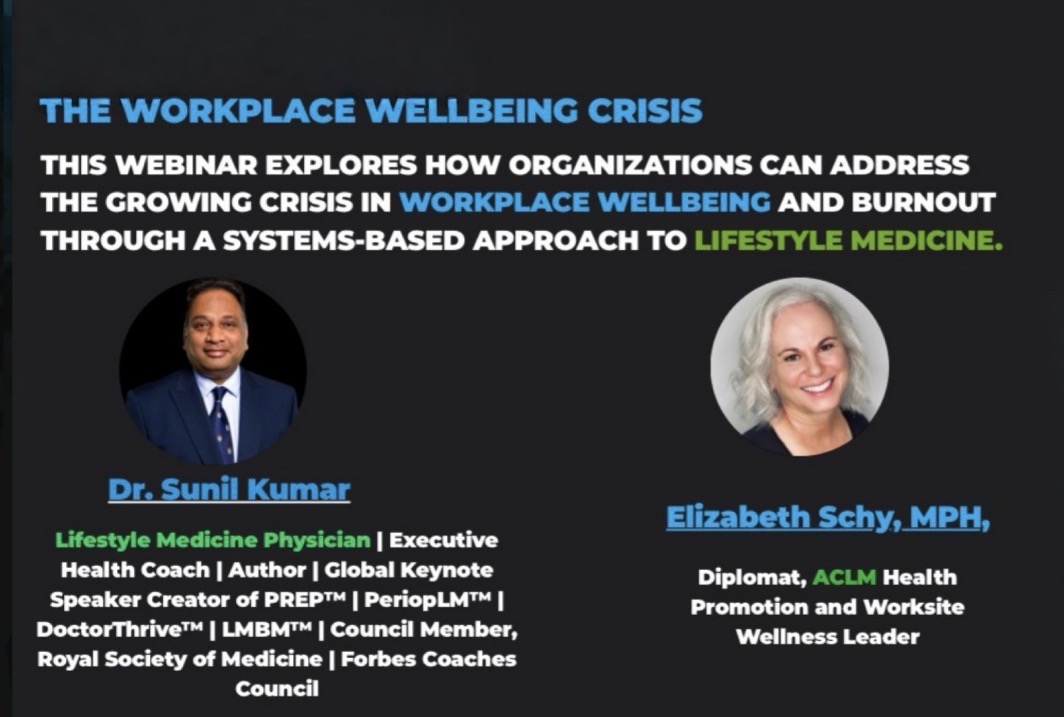
The Workplace Wellbeing Crisis explores how organizations could address the growing crisis in workplace wellbeing and burnout through a systems based approach.
Data points covered, showed why workplace wellbeing deserved the word CRISIS. Alongside these market signals, was human cost. Dr Sunil Kumar FCAI FRSA FBSLM MAcadMEd Dip IBLM, pointed out that around 76% percent of employees globally reported moderate to high stress and burnout had been formally recognized as an occupational phenomenon with serious implications for productivity creativity safety and retention. The message was clear the gap between employee needs and employer action was widening and organizations that failed to respond risked both human and business consequences.
In response, Elizabeth Schy, MPH, RN, BSN, Diplomate, ACLM set out objectives for a lifestyle medicine based approach to wellbeing and burnout. She introduced a scalable evidence informed framework rooted in the six pillars of lifestyle medicine: Restorative sleep, social connection, avoiding risky substances, physical activity, stress management, and nutrition to guide organizational wellbeing efforts. She also defined the process needed to align wellbeing initiatives with company culture, mission and executive priorities. She outlined a structured plan for launching and sustaining system level initiatives and demonstrated how integrated evaluation methods could support data driven decision making and justify continued investment.
Schy reminded us why employers pursued wellbeing programming in the first place. The goals included positively impacting morale, boosting productivity, improving health, bending the healthcare cost trajectory, reducing absenteeism and presenteeism, and improving retention. Done well, workplace wellbeing programming helped build a happier healthier more resilient workforce and positioned organizations as employers of choice in a competitive labor market. She demonstrated a practical process for designing and implementing wellbeing initiatives.
The primary steps begin with assessment, which included data collection, site tours, interviews, focus groups and surveys to understand the existing culture workloads and needs before designing solutions. Planning followed with data evaluation, naming and customizing the initiative, building a rollout plan around a lifestyle medicine framework, presenting the approach to executives and assigning or hiring role specific management while recruiting and training internal champions.
Elizabeth Schy’s decades of experience evidenced in worksite wellness proved the following strategy: Implementation is presented as a campaign style rollout with clear workforce messaging, a visible kickoff preparation for champions and a commitment to launch a first event or initiative within about a month to maintain momentum.
From the outset, organizations were encouraged to think about long term initiatives, integration with healthcare offerings and benefits, and the inclusion of individual coaching and behavior change support , rather than isolated one off events. Evaluation formed the secondary, but essential layer of the process. Schy, recommended using annual engagement surveys, pulse surveys, casual feedback from champions and structured presentations back to executives to secure feedback. Elicit new ideas and confirm financial commitment for continuation. This cycle of assessing acting and evaluating ensured that wellbeing efforts remained aligned with company goals and employee realities and that they could evolve over time.
Dr. Sunil Kumar brought a complementary perspective linking workplace wellbeing to the broader global wellness economy and the concept of resilience. Kumar highlighted that 76% of employees reported moderate to high stress and that burnout was now seen as an occupational condition driving down productivity creativity and retention and raising safety concerns. His key message was that resilience was a trainable capacity not a fixed personality trait and that organizations could help build resilience by paying attention to biological psychological social and environmental engines of personal resilience. Furthermore, the biological engine included sleep, movement and recovery while the psychological engine involved mindset and emotional regulation. The social engine focused on connection, belonging and safety, The environmental engine covered workload culture and boundaries and Dr. Kumar emphasized that integration across all four was necessary to build sustainable resilience.
Dr. Kumar illustrates his concept of the resilience equation by contrasting stress and recovery. Stress represented activation while recovery represented regulation, and resilience came from healthy oscillation between the two states. Burnout emerged when that balance broke down and stress activation dominated without enough opportunities or permission to recover. Dr. Kumar also outlined a clear distinction between stress and burnout in both definition and impact.
Stress was characterized by over engagement, high activation and urgent energy and was usually temporary. Whereas burnout was marked by disengagement, blunted emotions, loss of motivation ideals and hope and longer term emotional and physical damage. In this framing stress led more often to anxiety disorders and physical strain while burnout led to detachment and depression.
To translate theory into action Dr. Kumar offers concrete micro habits for daily resilience such as short breathing resets. movement snacks, simple boundary scripts and brief evening reflections. These small practices were presented as realistic entry points for employees at every level and as tools that organizations could promote and normalize in their cultures.
Dr. Kumar’s PREP frameworkPrevent Rewire Elevate Perform, was presented as a pathway to sustainable wellness that integrated both personal and organizational resilience. Prevent focused on reducing unnecessary load and sources of stress. Rewireconcentrated on strengthening emotional and cognitive patterns. Elevatetargeted foundational lifestyle factors and Performaddressed sustaining high performance without burnout.
The call to action: Our panel encourages organizations to transform their approach to workplace wellbeing by assessing their culture implementing the PREP inspired framework engaging leadership and measuring and evaluating results over time. Furthermore, the gap between employee needs and employer action widened. Those organizations that chose to lead in workplace wellness would be the ones that built healthier more resilient and more productive teams for the future.
ABOUT THE GLOBAL WELLNESS INSTITUTE |EMPOWERING WELLNESS WORLDWIDE
The Global Wellness Institute (GWI), is a nonprofit 501(c)(3) dedicated to empowering wellness worldwide through research, education, and collaboration.
Across six pillars—Research, Geography of Wellness, Initiatives, Wellness Evidence, The Wellness Moonshot, and BBC StoryWorks—GWI provides free, authoritative resources that unite industries and drive positive change.
ABOUT GWI INITIATIVES
The Global Wellness Institute’s Initiatives, The nonprofit Global Wellness Institute (GWI) supports a wide range of important industry initiatives that further the growth of the various sectors of the wellness economy. Led by Initiative Chairs, renowned thought-leaders in their field, GWI Initiatives have been instrumental in powering the growth of the multi-trillion-dollar wellness economy and uniting the health and wellness industries.
ABOUT THE LIFESTYLE MEDICINE INITIATIVE
The Lifestyle Medicine Initiative at the Global Wellness Institute advances lifestyle medicine as a primary tool for disease prevention, health optimization, and longevity across the wellness and healthcare sectors. We bring together clinicians, researchers, wellness operators, employers, and educators to translate evidence-based lifestyle interventions into scalable, accessible programs that improve health outcomes, reduce chronic disease burden, and extend both lifespan and health span.
Our Mission:To educate GWI delegates and the world about the importance of lifestyle and behaviors for health, longevity, mental health, and overall well-being. We bring the best minds in Lifestyle Medicine, the ancient lessons of the world’s healthiest, longest-lived cultures, and principles of positive lifestyle habits, combining lifestyle medicine with evidence-based well-being therapies and 21st-century longevity research to sustainably improve well-being.
Our Goal: To foster sustainable services around wellness and lifestyle medicine that enhance and extend life, and to find the pressure points where healthcare and self-care intersect. Evidence-based lifestyle medicine has emerged as the future of healthcare, controlling costs and delivering better health outcomes by treating root causes of disease. We exchange ideas, build bridges with other GWI Initiatives, and leverage the intersections of well-being innovations to advance longevity through holistic wellness practices.
Want to learn more from our Lifestyle Medicine Initiative Members about this topic?