2026 Wellness for Children Initiative Trends

Initiative Chair: Christine Clinton, President, International Spa & Salon Services, United States
Initiative Vice-Chair: Connie Morris, Founder, Budding Yoga, United States
According to the World Health Organization, one in seven children in Europe is experiencing mental health challenges. Together with the United Nations Children’s Fund (UNICEF), WHO developed a strategy for child and adolescent health and wellbeing for the region for 2026-2030, “A Healthy Start for a Healthy Life,” highlighting the need for preventive wellbeing in the formative years. In China, the most recent statistics show 17.5% of children 6-16 experience mental health disorders and in the USA, according to the Maternal and Child Health Bureau, 16% of adolescents have anxiety, 8.4% have depression and 6.3% have behavioral/conduct issues.
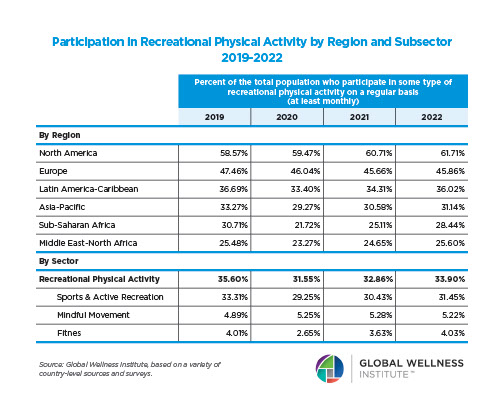
In addition, WHO has reported that an average of 80% of school-aged adolescents are insufficiently physically active globally. According to Dr. Regina Guthold, one of the study’s authors, “urgent policy action to increase physical activity is needed now, particularly to promote and retain girls’ participation in physical activity.”
In our work with the Wellness for Children Initiative, we receive input from parents, guardians, teachers and therapists, and of course from the children themselves. These adults are proactively showing trends to address children’s wellbeing. Science supports family and community relationships being strongly associated with improved mental health outcomes and contemporary lifestyles affecting negative health outcomes such as poor dietary habits, weight gain and emotional distress.
For these reasons, we have identified various solutions that focus on the health crisis, recognizing the need for increased awareness and improved outcomes. Many of the trends will not only benefit children’s long-term wellness, but also improve the wellbeing of adults, families and communities.
Resources:
- https://www.who.int/europe/news/item/13-11-2025-one-in-7-children-and-adolescents-in-the-who-european-region-lives-with-a-mental-health-condition–finds-new-who-europe-report
- https://www.unicef.org/eca/child-and-adolescent-health-and-well-being-strategy-2026-2030
- https://pmc.ncbi.nlm.nih.gov/articles/PMC12434409/
- https://mchb.hrsa.gov/sites/default/files/mchb/data-research/nsch-data-brief-adolescent-mental-behavioral-health-2023.pdf
- https://www.who.int/news/item/22-11-2019-new-who-led-study-says-majority-of-adolescents-worldwide-are-not-sufficiently-physically-active-putting-their-current-and-future-health-at-risk#:~:text=health%20at%20risk-,New%20WHO%2Dled%20study%20says%20majority%20of%20adolescents%20worldwide%20are,and%20future%20health%20at%20risk&text=The%20first%20ever%20global%20trends,gap%20widen%20between%202001%2D2016.
- https://pmc.ncbi.nlm.nih.gov/articles/PMC11855907/
TREND 1: Holistic Wellness Family Rituals
More and more families are fostering wellbeing by establishing sleep rituals, practicing gentle morning routines, taking walks after meals and enjoying warm drinks at night instead of supplements. Many of them are also adopting calming techniques and setting aside screen-free time during agreed family periods to help everyone feel more connected and relaxed.
TREND 2: Better Microbiome Nutrition
Gut health is emerging as a key trend for children’s wellness, with a focus on probiotics, prebiotics and understanding “good” bacteria. Offering a wide variety of food groups in the formative years (especially between ages 1 and 3), limiting sugar and processed foods and growing herbs together in the kitchen will help strengthen the immune system and boost the production of beneficial metabolites.
Nervous System Literacy:
- Breathwork as a reset
- Movement, shake and stretch activities
- Sensory integration sessions
- Sharing BIG feelings together
- Co-regulation modeling
Micro Mindful Moments:
- Nature exposure – simple acts of taking shoes off and walking in the grass, being outside for a picnic, forest bathing and forest schools are on the rise.
- Visualization and imaginative play
- Gratitude and self awareness time to start the day, during meals and at bedtime
TREND 3: Family Travel and Spa
Many families are becoming health-focused, working on brain and body health, so the need for healthy choices and inclusiveness in the travel sector is more important than ever. Large hospitality brands are seeking certification in sensory sensitivity for their concierge and front of house staff. According to the World Economic Forum, between 10 and 20 percent of the global population is neurodivergent, a term used to describe people living with ADHD, autism, dyspraxia, dyslexia, dyscalculia, among others. Awareness, support and having another point of differentiation is an attractive opportunity for the spa and hospitality sector.
Resources: