The Healing Power of Touch: Why Older Adults Need Massage More Than Ever
By: Nancy Griffin
Despite decades of research demonstrating the profound effects of touch on human health, older Americans remain one of the most touch-deprived populations. According to the American Massage Therapy Association’s 2024 research report, only one in ten adults over 65 received a massage in 2023—compared to more than twice that rate among younger adults. While the baby boomer generation (now ages 55–64) is more receptive to wellness experiences, the 65-plus group has shown almost no increase in massage uptake over the years.
The Science Behind Touch
For more than thirty years, Dr. Tiffany Field and her team at the University of Miami’s Touch Research Institute have published over 350 peer-reviewed articles on the science of touch. Their findings indicate that moving the skin activates pressure receptors that send calming signals to the brain, slowing the nervous system, decreasing cortisol, and elevating dopamine and serotonin. These changes cascade through the entire body—lowering heart rate, reducing stress hormones, and improving immune and cardiovascular function.
Massage, therefore, is scientifically proven to positively alter physiology. Dr. Field emphasizes that “every condition we’ve studied—from pain and psychiatric disorders to autoimmune disease and even cancer—responds positively to massage.”
Mental and Emotional Benefits
Touch therapies deliver powerful mental health outcomes. They lower cortisol, raise oxytocin (the “love hormone”), and ease symptoms of anxiety and depression. As Wendy Bosalavage of Being Well Collective notes, “massage is not only therapeutic—it’s also a mindfulness practice. It grounds clients in the present moment, releasing tension in both body and mind.”
For older adults, this can be transformative. Depression and anxiety are pervasive in later life, exacerbated by isolation and loss. Massage offers safe, compassionate touch that can help restore emotional equilibrium and enhance sleep quality and resilience.
Filling the Social Void
Intentional, caring touch bridges one of the greatest gaps in modern aging: social disconnection. Dr. Field has described the phenomenon of “skin hunger” or touch starvation—a real physiological and emotional condition worsened during the pandemic. Science continues to affirm that human connection—especially physical touch—is not a luxury; it is a biological necessity. Research in Kelsey Killiam’s book on social health, The Art and Science of Connection, underscores that social connection is linked to lower risks of heart disease, stronger immune response, improved cognition, reduced depression, and even longer lifespan.
A Call to Wellness Leaders
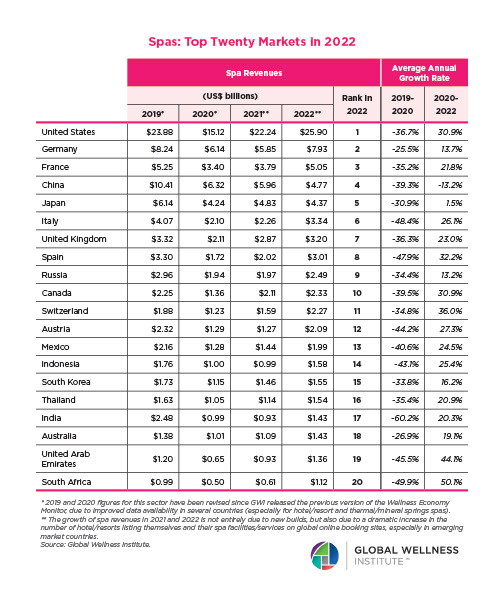
Wellness and aging services professionals have an opportunity—and a responsibility—to reimagine touch for this generation. Mather, a non-profit organization dedicated to improving the lives of older adults, prioritizes massage and bodywork in their senior living residences, according to William Wesley Myers, Chair of the Aging Well Initiative and Mather’s Assistant Vice President of Wellness Strategy. “There is huge demand for all our spa services,” according to Myers.”
Whether in senior living communities, medical spas, or integrative wellness centers, expanding access to massage for older adults means delivering more than comfort; it means delivering health.