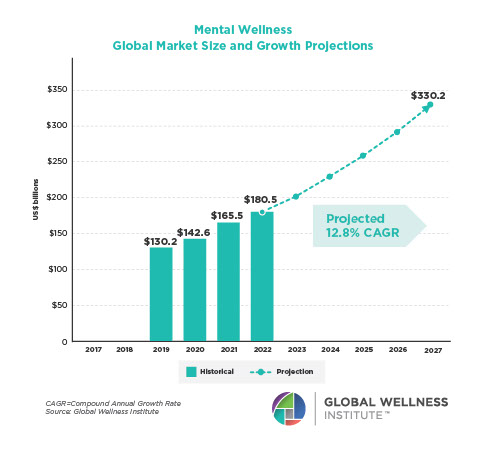
While we are talking more about mental health, and there is even a day set aside to highlight its importance, are having the conversations we need to have about the way a workplace culture informs our mental wellbeing? I don’t think so.
Many companies may see wellbeing as a program or an initiative. In this case, there may be relevant and informative presentations, the possibility of a lunchtime yoga class, or a robust insurance program alongside the Employee Assistance Plan.
But these things are important and can be helpful. But they are only truly supportive if the culture we work in every day has a positive impact on our mental health. Otherwise, at best, they give us only temporary relief.
Stress
When we think about mental wellness, stress is an important factor to consider. Stress at work comes in many forms. Some comes from the leaders we report to (unreasonable timelines, being expected to respond to emails at all hours, micromanagement). Some is self-imposed (working late, skipping lunch). Some is lateral (exclusion by colleagues, “jokes” in the lunchroom, harassment).

But a large cause of stress is lack of belonging. And belonging is tied to workplace culture.
Workplace Culture
Since leaders are instrumental in shaping culture, we need to consider how we are supporting a healthy workplace community where people can speak up, and also share ideas and concerns. Where we know each other enough to understand what people are carrying and what could help make that load lighter. Where we are proactive as well as reactive in ensuring people feel safe and valued.
Belonging is created, and at its foundation is connection. Creating a culture where connection matters is a leadership opportunity with a high ROI: Because connection impacts engagement and engagement sparks productivity and creativity, reduces absenteeism and increases retention.
Supporting employee wellbeing is more than a gym in the office or a lunch and learn about menopause; it’s about creating a culture that says, “you are important” ,“you are valued” and “you matter”. That’s not an initiative or a program – it’s a way of being together.