The global business events industry has largely recovered from the disruption of the pandemic, but the recovery story is more complicated than a single spending figure suggests.
According to the 2026 Global Economic Significance of Business Events report from the Events Industry Council and Oxford Economics, business events brought together 1.65 billion participants across more than 180 countries in 2025 and generated US$1.3 trillion in direct spending. When indirect and induced impacts are included, the sector supported US$3.1 trillion in total business sales, US$1.8 trillion in total GDP, and 24.2 million jobs worldwide. You can read the executive summary here.
Those are substantial numbers. But they deserve context.
The report shows direct spending was 12.2% above 2019 levels, but it also defines that spending in nominal US dollars, meaning the figure is not adjusted for inflation. Higher costs for lodging, labor, food and beverage, transportation, production, logistics, and other event inputs likely account for part of that increase. So the more accurate conclusion is not simply that business events are booming. It is that activity has returned near pre-pandemic levels while the cost of gathering has increased.
That distinction matters because it changes the strategic question.
The industry does not only need to prove that people are gathering again. It needs to prove that gathering is worth the cost.
This is where wellness becomes relevant, but not as an add-on or a marketing theme.
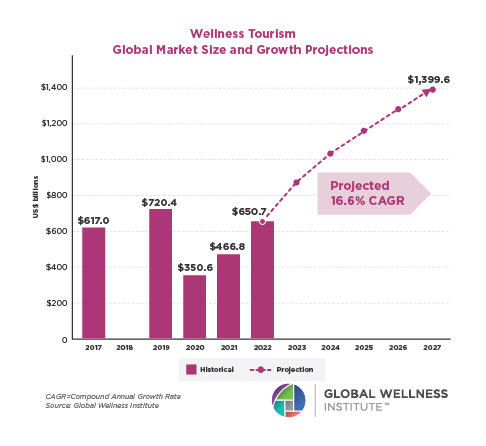
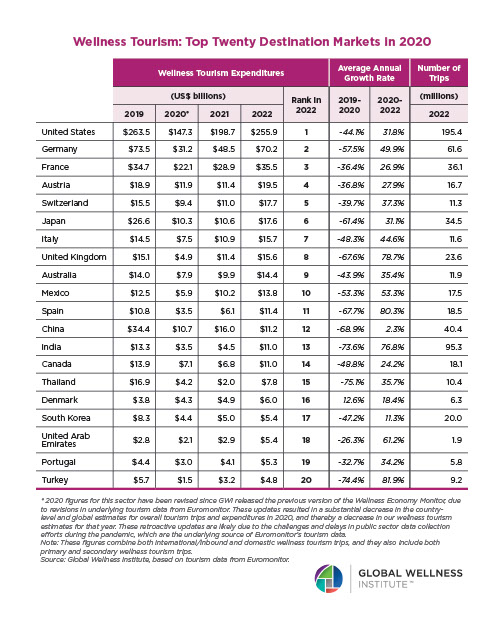
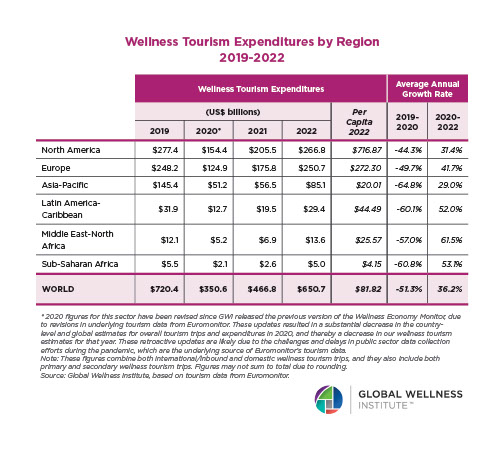
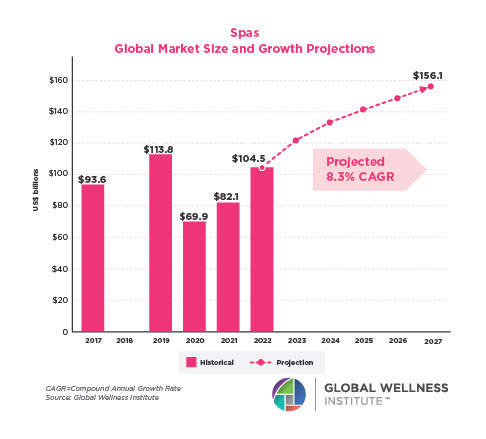
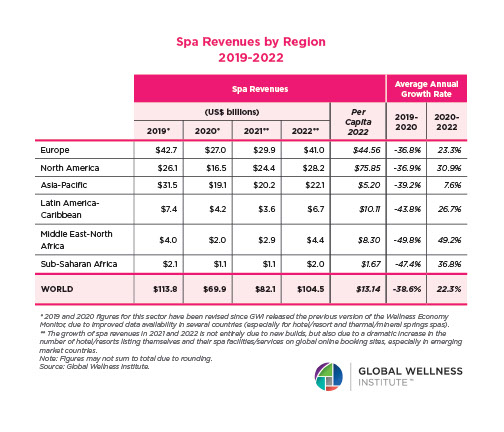
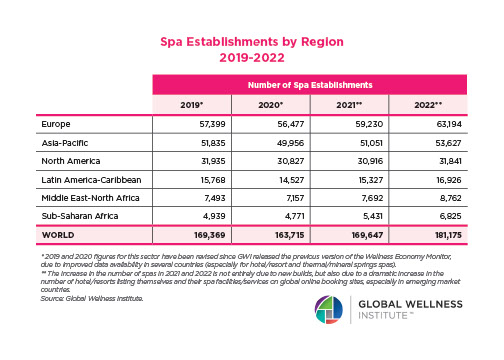
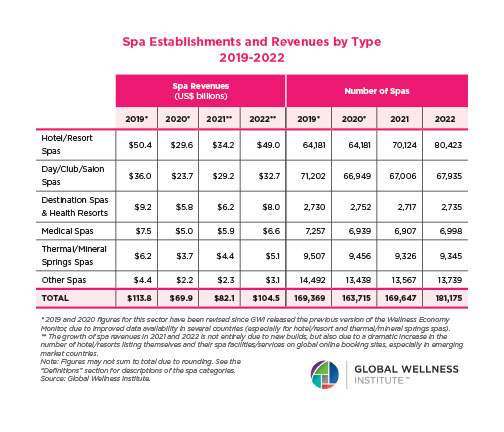
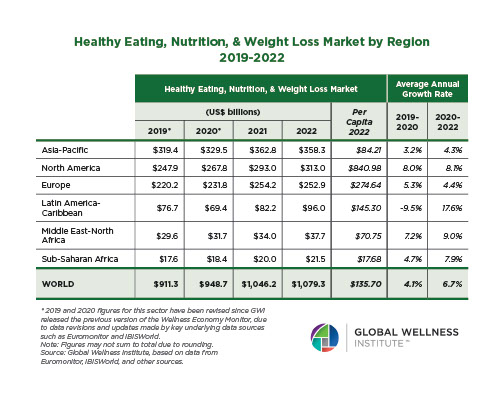
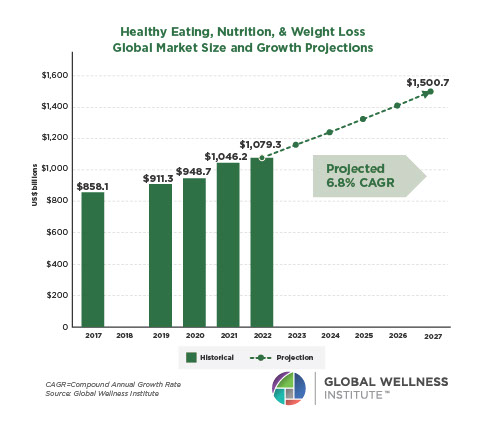
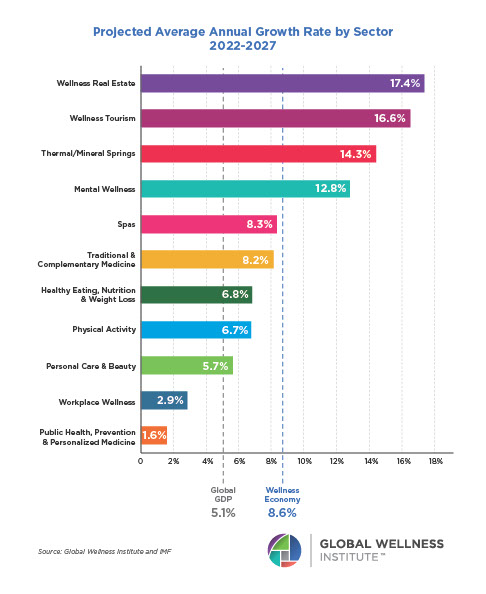
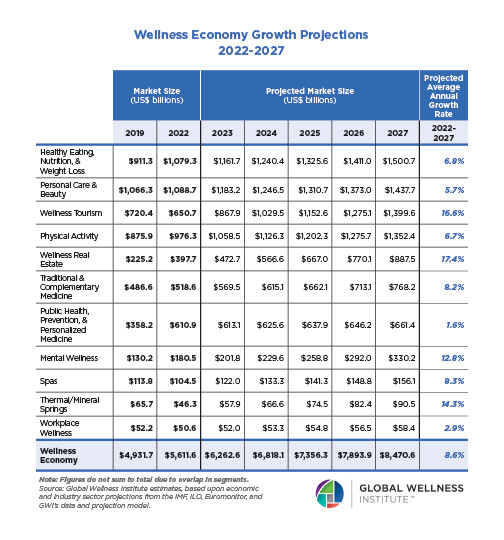
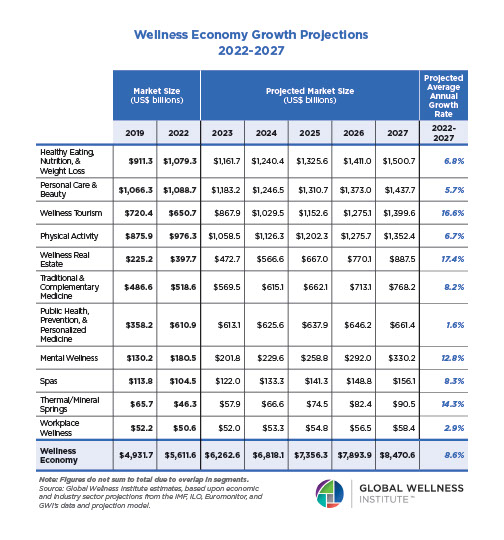
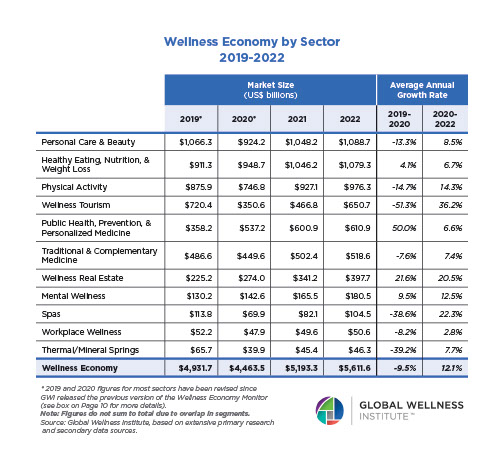
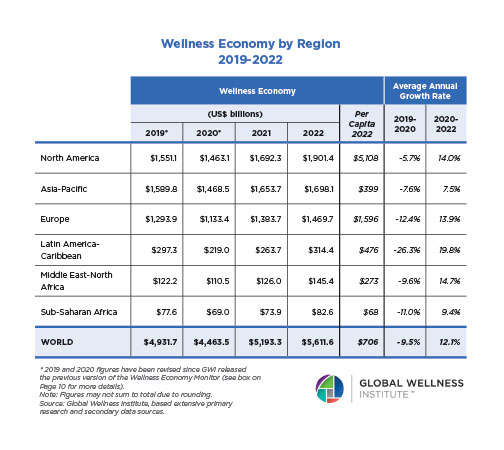
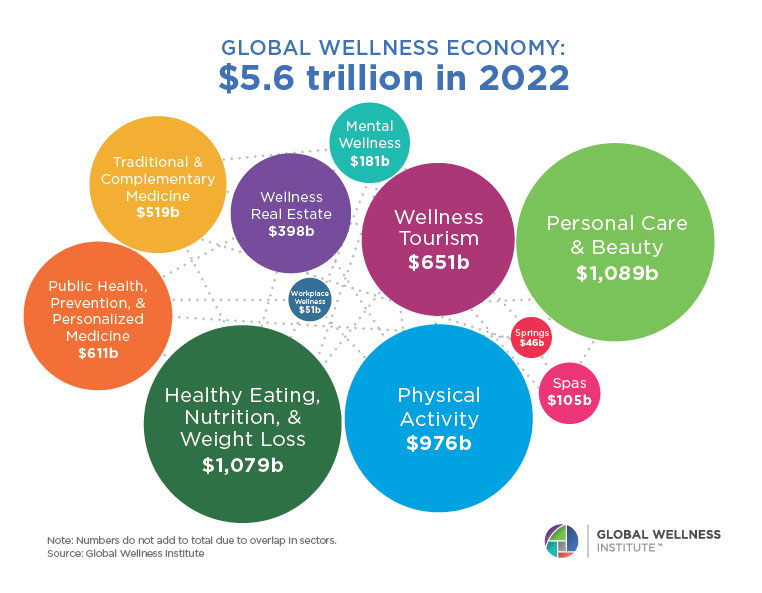
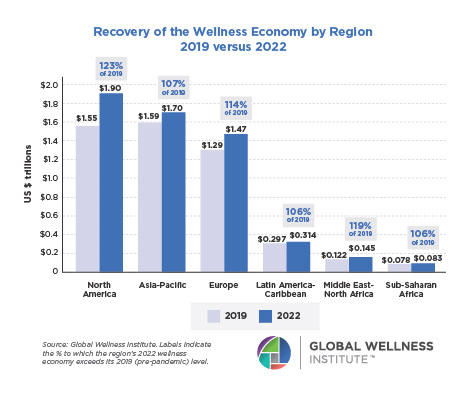
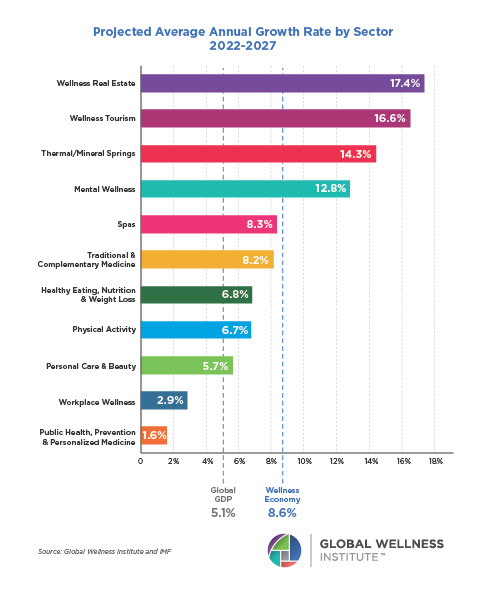
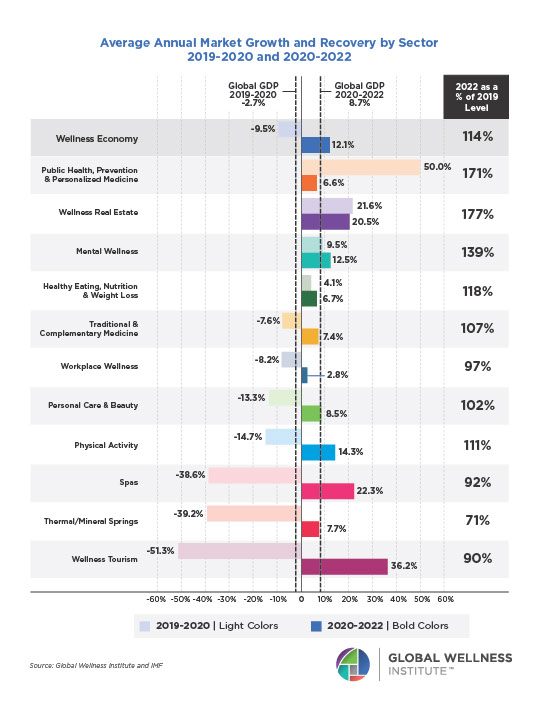
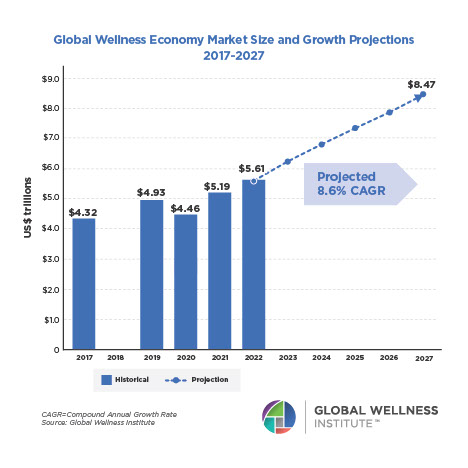
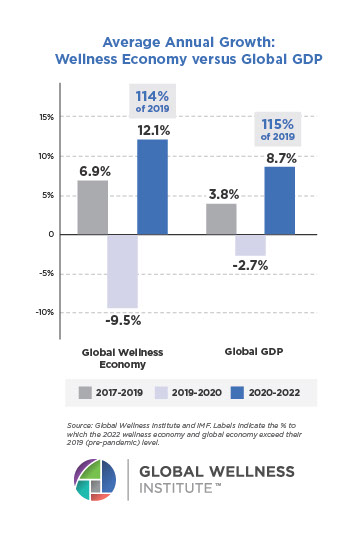
The Global Wellness Institute reports that the global wellness economy reached US$6.8 trillion in 2024 and is projected to reach US$9.8 trillion by 2029. Wellness tourism expenditures reached US$894 billion in 2024. GWI defines wellness tourism as travel associated with maintaining or enhancing personal wellbeing.
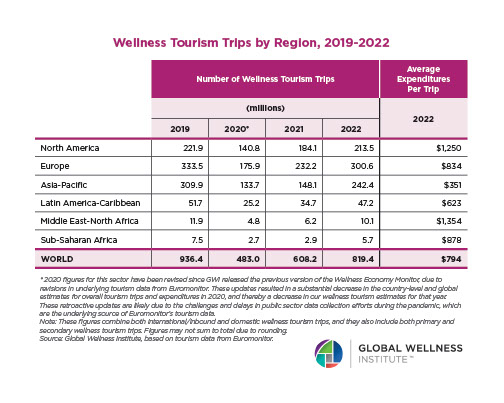
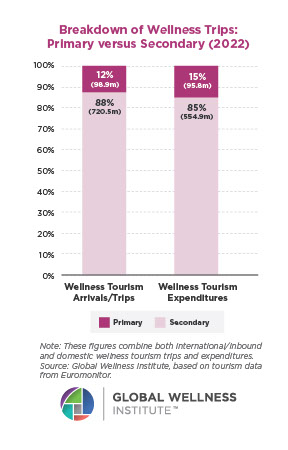
That definition is important because wellness tourism is often misunderstood. It is not limited to people traveling specifically for a retreat, spa, yoga resort, or medical-adjacent experience. GWI identifies two types of wellness travelers: primary wellness travelers, whose trip is primarily motivated by wellness, and secondary wellness travelers, who seek to maintain wellness or participate in wellness experiences while taking any type of trip, including leisure or business travel.
That is where the meetings and events industry should be paying attention.
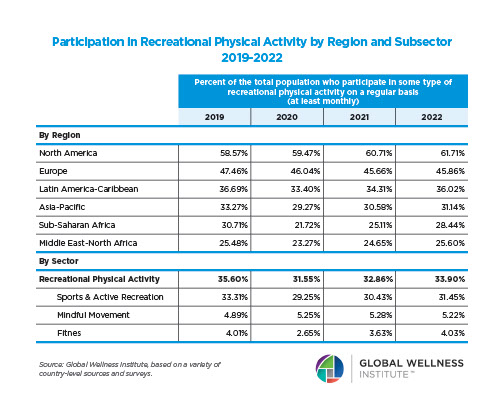
Most wellness tourism is not about people traveling only for wellness. It is about people adding wellness into travel they were already taking. That makes conference travel, trade shows, incentive trips, corporate meetings, and association events part of a much larger conversation about how people maintain their health, routines, energy, and sense of connection while away from home.
The opportunity is not to rebrand every business event as a wellness event. That would be inaccurate and unhelpful.
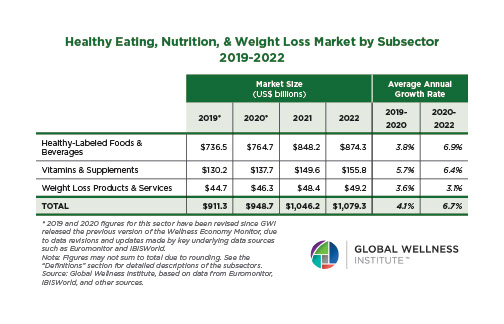
The opportunity is to recognize that business events already operate inside the same ecosystem that supports wellness tourism: hotels, resorts, convention centers, food and beverage, transportation, local experiences, fitness facilities, outdoor spaces, spas, restaurants, and destination infrastructure. GWI’s measurement of wellness tourism expenditures includes lodging, food and beverage, activities, excursions, shopping, in-country transportation, and other services.
These are not peripheral to meetings and events. They are the operating system.
The EIC/Oxford Economics report also points to the broader value business events are expected to create beyond direct spending. It describes “catalytic effects” such as relationships, knowledge transfer, training, innovation, partnerships, productivity gains, and human and organizational capital. It also notes that many of these effects are difficult to measure, which means they can be undervalued.
That is a critical point for the wellness conversation.
Wellness-first event design should not be evaluated only by whether an attendee liked a smoothie, yoga class, or meditation room. Those may be useful, but they are not the full story. The more important question is whether the design of the event helps people learn, connect, recover, participate, and perform.
- Agenda pacing affects attention.
- Food and beverage affects energy.
- Movement affects circulation, mood, and focus.
- Light, air, temperature, and noise affect comfort and cognitive load.
- Social design affects trust, belonging, and relationship-building.
- Sustainability choices affect both community impact and long-term viability.
These factors shape whether a business event delivers on its purpose.
The report’s survey findings reinforce that point. Among event organizers and other participants, 70% said relationship-building through face-to-face interaction was the outcome most difficult to replace, while another 12% cited community, trust, and emotional engagement. Respondents also reported average returns from hosting in-person events, including a 37% increase in awareness, 28% of revenue that would be lost without in-person events, and a 19% reduction in total marketing and sales expense compared with not participating in in-person events.
Those findings do not prove that wellness interventions automatically improve event ROI. That would be overstating the evidence.
But they do highlight the human mechanisms through which events create value: attention, trust, relationships, learning, emotional engagement, and follow-through. Those are also the areas most directly affected by the conditions in which people gather.
For hotels, venues, destinations, and event organizers, this also has a revenue implication. Wellness travelers are often described as high-value travelers, but the practical opportunity may be less about luxury and more about access. A recent revenue synthesis for hotel wellness opportunities framed the issue plainly: hotels may be leaving wellness revenue on the table when they treat wellness as a spa-only amenity instead of a property-wide strategy. Practical opportunities include healthier grab-and-go retail, protein-forward room service, hydration stations, gym-adjacent retail, spa recovery passes, walking or running routes, recovery services, and wellness options built directly into meetings and events sales.
Again, the point is not that every property needs to become a wellness resort.
The point is that more travelers want the ability to eat well, sleep well, move, hydrate, recover, and maintain routines while they are already traveling. For business events, that can translate into better attendee experience, stronger destination value, and potentially new revenue streams for hotels and venues.
This is the work of the GWI Meetings & Events Initiative.
The Initiative is focused on helping the meetings and events industry move beyond wellness as a side activation and toward a more evidence-informed approach to human sustainability. Its framework centers on four practical areas: Mindfulness, Movement, Meals, and Meaning.
The goal is not to make events softer. It is to make them more effective.
As the cost of gathering rises, the quality of gathering has to rise with it. That means designing events that better support human energy, cognitive performance, social connection, inclusion, sustainability, and measurable business outcomes.
The business events industry has scale. The wellness economy has momentum. The responsible next step is not hype. It is better design, better measurement, and a clearer understanding of how the environments we create affect the people inside them.
If 1.65 billion people are participating in business events, the industry is not just producing meetings. It is shaping health environments at scale.