
Social Prescribing Rises Globally—From Art Classes to Walking Clubs
By Thierry Malleret, economist
Social prescribing is a much broader and inclusive form of wellness. The more digital- and AI-driven the world becomes, the greater our need for in-person interactions. Increasingly, doctors are prescribing social activities as different as art studios, choirs or walking clubs to their patients to improve their mental and physical health.
The UK, with its National Academy for Social Prescribing, is ahead of the rest of the world. Since 2019, its National Health Service (NHS) has offered social prescribing, as part of a $6 billion primary care expansion, producing more than 5.5 million referrals in England over five years (well in excess of the original 900,000 target).
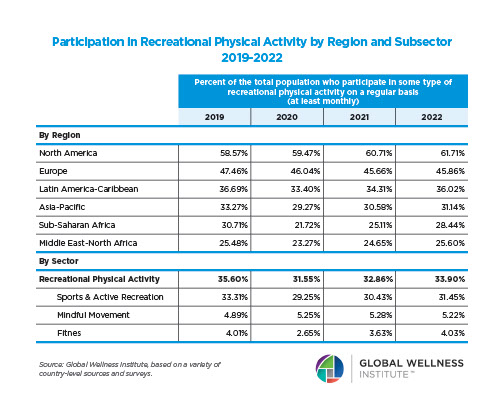
The benefits of social prescribing are now evidence-based. A large English cohort study found that people who engage in creative activities at least monthly are roughly half as likely to develop depression. In the same vein, a 2020 global meta-analysis found that surgical patients who listened to music used fewer opioids and reported less pain.
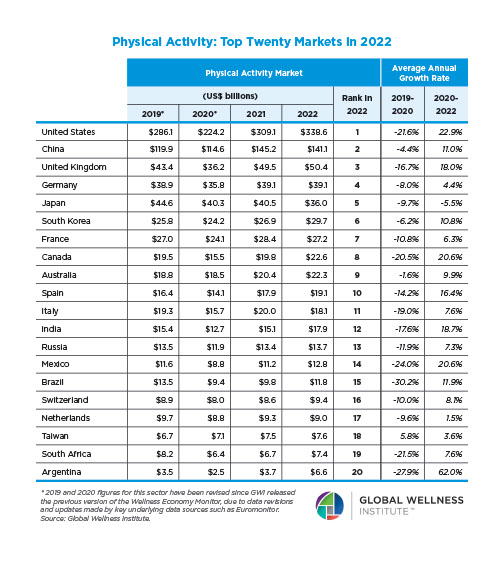
Other countries are engaged in similar social prescribing policies. The Netherlands, for example, has offered “wellbeing prescriptions” for more than 15 years, subsidizing activities like cycling clubs, museum visits and tai chi. In the US, the charity Social Prescribing USA wants to provide nationwide access to services like art or music therapy, dance classes and outdoor activities for every American by 2035.
The bottom line: this is not a fad, but an easy, simple and effective way to provide better connections via meaningful activities known to improve our mental and physical wellbeing. According to Social Prescribing USA co-founder Dr. Alan Siegel, quoted in Bloomberg on the movement, “Most of the healing happens in the 80% of people’s lives that has nothing to do with health clinics and hospitals.”