2026 Sleep Initiative Trends

Initiative Chair: Allison Howard, Founder and CEO, Nollapelli, United States
Initiative Vice-Chair: JD Velilla, Founder, Designing Sleep, United States
Sleep continues to have a moment. Once treated as passive downtime, it is now recognized as one of the most powerful drivers of human health, performance and longevity—and one of the most dynamic frontiers in the global wellness economy. As scientific understanding deepens and consumer awareness grows, the sleep landscape is being reshaped by technology, design, lifestyle shifts and changing social realities. The trends in this report capture a pivotal transition: from luxury sleep experiences to growing awareness of sleep inequality, from relentless optimization to simplicity, from habits to environments, from schedules to circadian alignment, and from clinical sleep labs to at-home diagnosis. Together, these shifts signal a new era in which sleep is becoming more intentional, more measurable and more central to how we design healthier lives.
TREND 1: Sleep Tourism and the Growing Sleep Divide
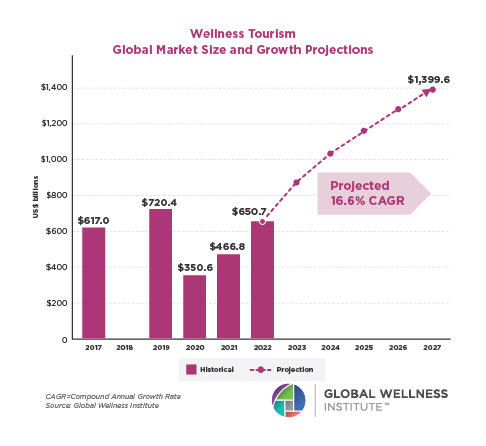
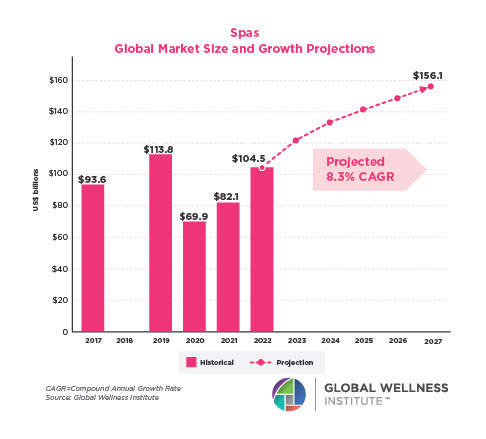
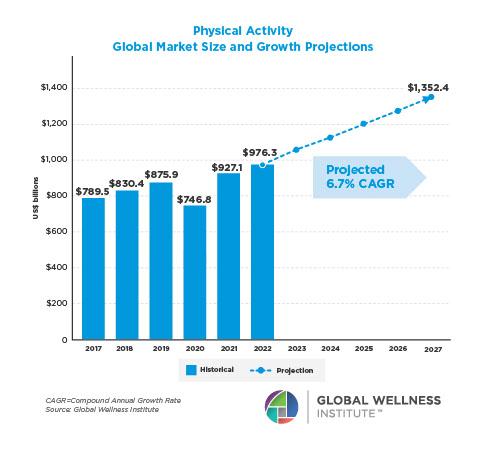
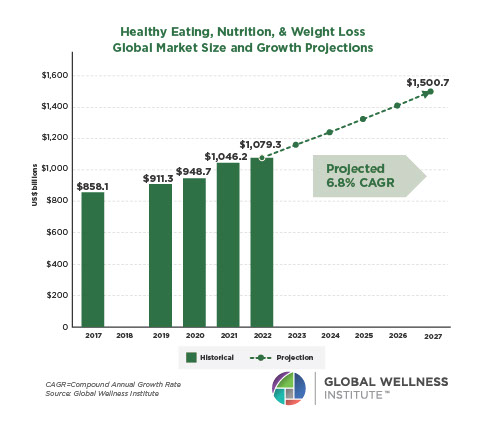
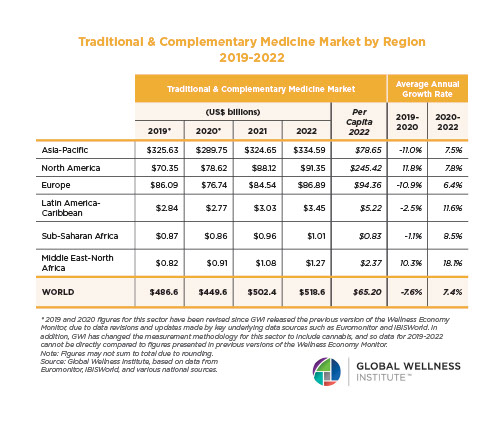
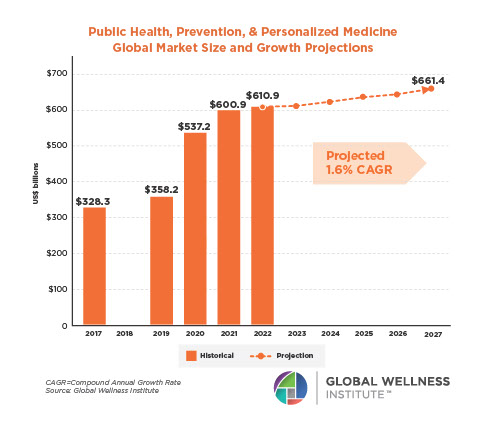
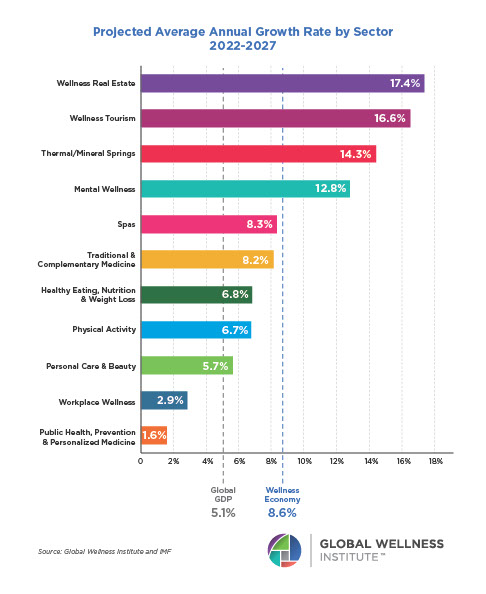
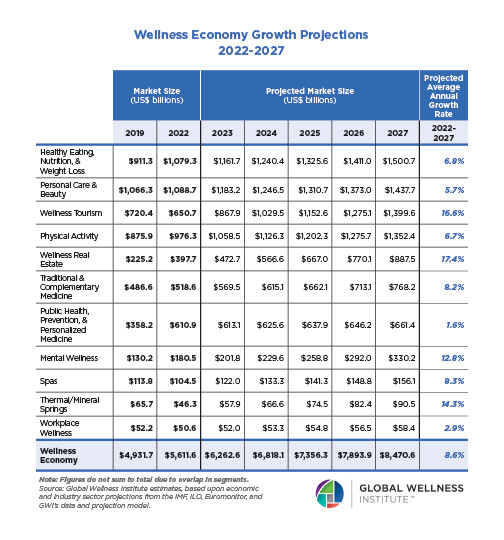
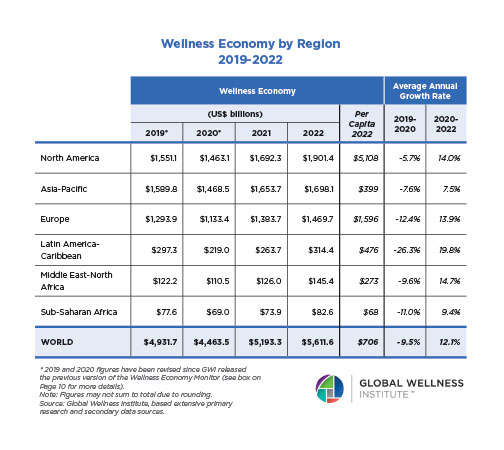
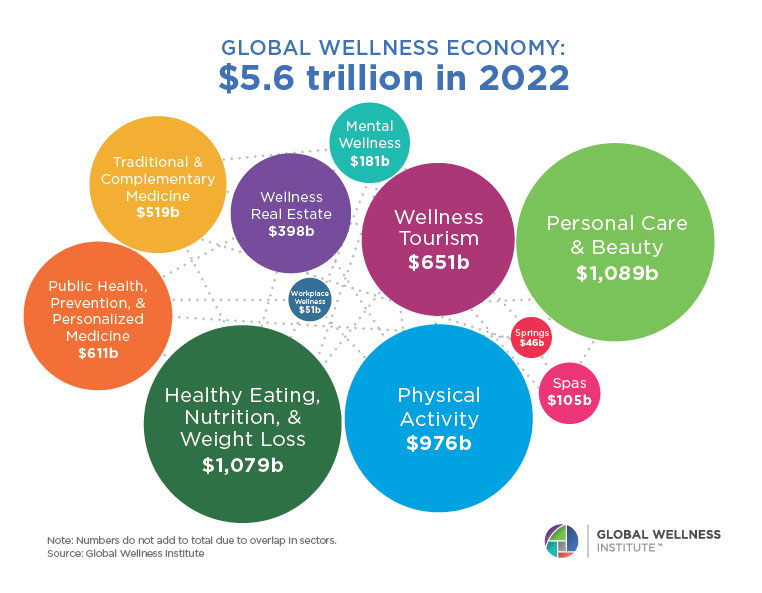
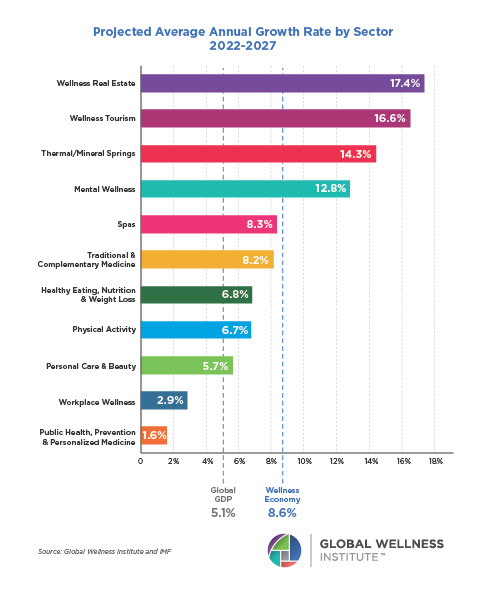
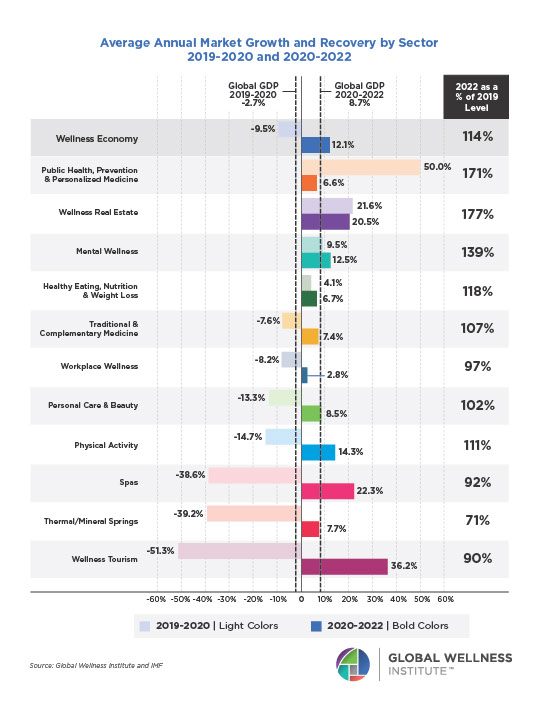
Sleep tourism has rapidly emerged as one of the fastest-growing segments of the global wellness economy. Luxury hotels, wellness resorts and destination spas are increasingly designing immersive experiences aimed specifically at improving sleep, from circadian-aligned lighting systems and sound-engineered rooms to guided sleep rituals, sleep-tracking consultations and specialized bedding environments. For travelers navigating jet lag, stress and digital overload, these programs promise something many people struggle to achieve at home: deeply restorative rest. Industry analysts estimate the broader sleep economy at over $585 billion globally, with wellness travel providers increasingly integrating sleep-focused offerings into their programming.
Major hospitality brands have moved quickly to capitalize on this demand. Hotels including Six Senses, Equinox Hotels and other wellness-oriented properties now offer dedicated sleep programs that combine environmental design, sleep coaching and recovery technologies. As awareness of sleep’s importance to overall health grows, consumers are increasingly willing to travel—and pay—for experiences that help them reset their sleep.
Yet the rise of sleep tourism also highlights a deeper and less comfortable reality: access to sleep itself is increasingly stratified. While affluent travelers can purchase optimized sleep environments and curated sleep experiences, millions of people struggle to obtain the basic conditions necessary for healthy rest. Research consistently shows that financial insecurity, unstable housing, shift work and high-stress environments significantly reduce both sleep duration and sleep quality.
This disparity creates what some researchers describe as a “sleep gap.” Sleep is now widely recognized as foundational to physical and mental health, yet the ability to achieve it remains unevenly distributed across populations. Poor sleep is associated with higher rates of chronic illness, reduced cognitive performance and decreased productivity, meaning that sleep inequality can reinforce broader cycles of social and economic disadvantage.
For the wellness and hospitality industries, the expansion of sleep tourism presents both opportunity and responsibility. On one hand, these programs reflect a growing recognition that sleep environments matter and that intentional design can dramatically improve sleep quality. On the other hand, they raise important questions about accessibility. If the most advanced sleep environments exist only within high-end resorts and luxury homes, the benefits of the sleep revolution may remain concentrated among those who already have the greatest health advantages.
The next phase of innovation may therefore focus not only on premium experiences but also on broader access to sleep-supportive environments. As the science of sleep continues to shape hospitality, product design and urban planning, the most meaningful progress may come from extending the principles behind sleep tourism—quiet, dark, cool and biologically aligned environments—to everyday living spaces. The future of sleep wellness will not be defined solely by how well travelers sleep on vacation, but by whether restorative sleep becomes more attainable for everyone.
Resources:
- Global Wellness Institute. 2025 Global Wellness Economy Monitor. Global Wellness Institute, 2025.
- Villaclara, Angelina. “Why Sleep Tourism Is the Trend We’ve Been Dreaming About.” Forbes, September 19, 2025.
- Trellis Group. “The Sleep Gap: How Social Inequality Affects Good Rest.”
TREND 2: From “Sleepmaxxing” to Simplicity
Sleep has rapidly become one of the most dynamic areas of the global wellness economy. Over the past decade, consumer awareness of sleep as a pillar of health has expanded dramatically, driving innovation across mattresses, wearables, supplements, digital sleep coaching and environmental technologies. Alongside this growth, a cultural trend known as “sleepmaxxing” has emerged across social media and wellness communities. The term describes the pursuit of optimal sleep through a layered combination of supplements, wearable trackers, smart mattresses, cooling systems, mouth tape and increasingly elaborate bedtime routines. At its core, this movement reflects a positive shift in public health awareness. More people now recognise sleep as foundational to wellbeing. Yet as the market matures, evidence and consumer behaviour suggest that the pursuit of perfect sleep has, for some, become overly complex.
Sleepmaxxing sits within the broader “quantified self” movement, where health behaviours such as exercise, nutrition and recovery are increasingly tracked and analyzed through consumer technologies. Sleep tracking has become one of the fastest-growing areas of this movement. These tools can provide valuable insight into patterns and behaviors, but clinicians have also begun to identify unintended consequences when monitoring becomes excessive.
One example is orthosomnia, the obsessive pursuit of perfect sleep metrics generated by wearable devices or apps. The term was first described in “The Tale of Orthosomnia: I Am so Good at Sleeping that I Can Do It with My Eyes Closed and My Fitness Tracker on Me” (Baron et al., Journal of Clinical Sleep Medicine). The researchers documented patients whose anxiety about improving sleep scores actually worsened their sleep quality. Subsequent research has explored this phenomenon further, showing that individuals fixated on sleep tracker data may spend excessive time in bed attempting to improve their metrics. This behavior can lead to insomnia-like symptoms, including difficulty falling asleep, frequent night awakenings and heightened anxiety about sleep performance (Jahrami et al., Nature and Science of Sleep).
Technology itself is not the only challenge. The broader digital environment surrounding sleep can also interfere with healthy rest. Research examining “The Impact of Bedtime Technology Use on Sleep Quality and Excessive Daytime Sleepiness in Adults” (Exelmans and Van den Bulck) found that engaging with digital devices before sleep is associated with poorer sleep quality and increased daytime fatigue. Screens, notifications and cognitive stimulation can disrupt the physiological conditions required for restorative sleep.
As awareness of these issues grows, consumer behavior is beginning to shift. People are not abandoning sleep technology, but they are becoming more selective in how they use it. The National Sleep Foundation’s Sleep Health and Consumer Technologies Position Statement recognises that consumer sleep technologies can be valuable tools for awareness and pattern recognition, particularly when they support behavioural change rather than constant monitoring.
Increasingly, individuals use sleep data to identify patterns such as the impact of caffeine, stress or irregular schedules. Once those insights are understood, the focus often shifts toward consistent routines, supportive sleep environments, and evidence-based habits. Technology still has a role, but it is most valued when it operates quietly in the background and integrates seamlessly into daily life.
This shift reflects a broader recalibration across wellness as consumers move away from relentless optimization and toward approaches that prioritize sustainability, nervous system balance and long-term wellbeing. For the sleep sector, the opportunity lies in supporting this evolution. The goal was never a perfect sleep score. It was restorative, sustainable rest. In the next era of sleep wellness, the most valuable innovations may be the ones that simplify sleep rather than optimize it, helping people reconnect with the natural biological rhythms that allow sleep to happen in the first place.
Resources:
- Baron, K.G., Abbott, S., Jao, N., Manalo, N., and Mullen, R. (2017). Orthosomnia: Are some patients taking the quantified self too far? Journal of Clinical Sleep Medicine, 13(2), 351–354. https://doi.org/10.5664/jcsm.6472
- Exelmans, L., and Van den Bulck, J. (2016). Bedtime mobile phone use and sleep in adults. Social Science and Medicine, 148, 93–101. https://doi.org/10.1016/j.socscimed.2015.11.037
- Global Wellness Summit. (2026). The Future of Wellness: 2026 Trends. globalwellnesssummit.com
- Jahrami, H., Trabelsi, K., Vitiello, M.V., and BaHammam, A.S. (2023). The tale of orthosomnia: I am so good at sleeping that I can do it with my eyes closed and my fitness tracker on me. Nature and Science of Sleep, 15, 13–15. https://doi.org/10.2147/NSS.S402694
- National Sleep Foundation. Sleep Health and Consumer Technologies Position Statement. thensf.org
- Zhou, E. (2025). Should you be sleepmaxxing to boost health and happiness? Harvard Health Publishing, March 6, 2025. https://www.health.harvard.edu/blog/should-you-be-sleepmaxxing-to-boost-health-and-happiness-202503063090
TREND 3: Sleep by Design
For many years, sleep advice focused almost exclusively on behavior. Consistent bedtimes, reduced caffeine, limited screen exposure before bed: the message was always about what people did. That framing is changing. A significant shift is underway in how the wellness sector understands sleep, and the bedroom itself is now at the centre of the conversation.
Scientific research increasingly confirms that the physical conditions in which we sleep are as important as the habits we bring to them. Temperature, air quality, light exposure, noise and bedding materials all measurably affect how easily the body transitions into restorative rest. Thermoregulation is particularly critical: the human body naturally lowers its core temperature as it prepares for sleep, and environments that are too warm actively interfere with that process. Research published in Environmental Research (Basner et al., 2023) and Sleep Medicine Reviews (Chevance et al., 2024) demonstrates that bedroom temperature, humidity and air quality can affect sleep duration, sleep fragmentation and time spent in deeper sleep stages. A further study in Building and Environment (Buonanno et al., 2024) reinforces that optimizing these variables produces measurable physiological benefits.
Light is equally powerful. Artificial light in the evening suppresses melatonin release and delays the circadian signals that regulate sleep timing, a finding established in foundational chronobiology research (Gooley et al., Journal of Clinical Endocrinology and Metabolism, 2011) and now shaping how lighting designers, architects and product developers approach the bedroom.
Consumer behavior is responding. Mattresses engineered for personalized comfort and temperature regulation, breathable bedding materials, blackout systems and acoustic management solutions are being integrated into what researchers and designers now describe as the sleep ecosystem. Hospitality brands have moved quickly in this space: hotels including Six Senses, Equinox Hotels and 1 Hotels have introduced sleep-focused room designs that treat temperature, light and sound as active wellness variables rather than incidental features.
This evolution reflects a wider principle taking hold across the wellness industry: health outcomes are the product of systems and environments, not individual habits alone. As consumers move beyond tracking fatigue and optimization culture, attention is shifting toward spaces that quietly support the body’s natural biological processes. The future of better sleep may not be found in more routines or more data, but in environments designed to simply get out of the body’s way.
Resources:
- Basner, M., Smith, M.G., Jones, C.W., et al. (2023). Associations of bedroom PM2.5, CO2, temperature, humidity, and noise with sleep: An observational actigraphy study. Sleep Health: Journal of the National Sleep Foundation, 9(3), 253–263. https://doi.org/10.1016/j.sleh.2023.02.010
- Buonanno, G., Canale, L., Solomon, M.T., Smith, M.G., and Stabile, L. (2024). Effect of bedroom environment on sleep and physiological parameters for individuals with good sleep quality: A pilot study. Building and Environment, 265, 111994. https://doi.org/10.1016/j.buildenv.2024.111994
- Chevance, G., Minor, K., Vielma, C., Campi, E., O’Callaghan-Gordo, C., Basagaña, X., Ballester, J., and Bernard, P. (2024). A systematic review of ambient heat and sleep in a warming climate. Sleep Medicine Reviews, 75, 101915. https://doi.org/10.1016/j.smrv.2024.101915
- Gooley, J.J., Chamberlain, K., Smith, K.A., Khalsa, S.B.S., Rajaratnam, S.M.W., Van Reen, E., Zeitzer, J.M., Czeisler, C.A., and Lockley, S.W. (2011). Exposure to room light before bedtime suppresses melatonin onset and shortens melatonin duration in humans. Journal of Clinical Endocrinology and Metabolism, 96(3), E463–E472. https://doi.org/10.1210/jc.2010-2098
TREND 4: Living (and Sleeping) by the Clock
Sunrise alarm clocks. Morning light therapy panels. Meal timing apps. Blue-light filtering glasses worn at 9pm. These are not fringe biohacking behaviours: they are the visible consumer face of one of the most consequential shifts in sleep and wellness science. Circadian health, long the province of specialist researchers, is entering mainstream lifestyle practice, and the implications for the sleep industry are profound.
The circadian rhythm is the body’s master biological clock, governing not just sleep and waking but hormone production, metabolism, immune function and cognitive performance. Anchored in the suprachiasmatic nucleus of the brain and synchronised primarily by light exposure, this internal timing system works best when daily life, morning sunlight, consistent wake times, meals and activity, aligns with its natural cycle. The problem is that modern life works against it almost by design. Artificial lighting, late-evening screen use, irregular schedules, shift work and jet lag all contribute to circadian misalignment, and research is increasingly clear about the consequences. Studies have linked chronic circadian disruption with metabolic disorders, impaired cognitive performance, mood dysregulation and elevated risk for cardiovascular disease (Vetter, Nature Reviews Endocrinology, 2020).
A new consumer vocabulary is emerging in response. Chronobiology concepts once confined to academic journals, including circadian hygiene, sleep timing consistency and light anchoring, are appearing in wellness media, health coaching and product marketing. Individuals are becoming more intentional about morning light exposure as a biological signal, consistent wake times even on weekends and reducing artificial light after dark. The timing of meals and exercise is also increasingly recognised as influencing the internal clock, giving rise to a growing category of circadian-informed lifestyle products and programs.
Industry innovation is moving quickly to meet this demand. Circadian lighting systems that shift colour temperature across the day are being integrated into homes, offices and hotels. Sunrise simulation alarm clocks have moved from specialist wellness retailers into mainstream consumer electronics. Architects and workplace designers are beginning to incorporate circadian principles into building standards, recognizing that light environment and daily structure have measurable effects on both sleep quality and daytime performance.
This shift represents a deeper evolution in how sleep itself is defined. Duration alone is giving way to a richer understanding in which the timing, consistency and biological alignment of sleep matter as much as the hours clocked. As circadian science continues to move into mainstream wellness culture, the industry’s opportunity lies in designing products, spaces and services that work with the body’s clock rather than simply around it.
Resources:
- de Menezes-Júnior, L.A.A., Sabião, T.d.S., Carraro, J.C.C., Machado-Coelho, G.L.L., and Meireles, A.L. (2025). The role of sunlight in sleep regulation: Analysis of morning, evening and late exposure. BMC Public Health, 25, 3362. https://doi.org/10.1186/s12889-025-24618-8
- National Institute of General Medical Sciences. (2023). Circadian rhythms fact sheet. National Institutes of Health. https://www.nigms.nih.gov/education/fact-sheets/Pages/circadian-rhythms.aspx
- Varma, P., and Rahman, S.A. (2024). Lighting the path forward: The value of sleep- and circadian-informed lighting interventions in shift work. Sleep, 47(11), zsae214. https://doi.org/10.1093/sleep/zsae214
- Vetter, C. (2020). Circadian disruption: What do we actually mean? European Journal of Neuroscience, 51(1), 531–550. https://doi.org/10.1111/ejn.14255
TREND 5: Sleep Diagnostics Come Home
For most of the history of sleep medicine, getting a diagnosis meant spending a night wired up in a clinical sleep laboratory, an experience that was inconvenient, expensive and for many people simply out of reach. That model is being fundamentally disrupted. Sleep diagnostics are moving into the home, and the commercial and clinical evidence confirms this is no longer an emerging trend but an accelerating reality.
The market numbers tell a clear story. The global home sleep apnea testing market is projected to grow from US$ 712.3 million in 2025 to US$ 966.1 million by 2035, driven by rising consumer awareness and advances in portable diagnostic technology (Future Market Insights, 2025). Among Medicare beneficiaries alone, unattended home sleep tests grew by 632.6% between 2011 and 2021, a figure that reflects both the clinical validation of home testing and a profound shift in how patients and providers approach diagnosis (Singh, 2025).
Sleep disorders are more prevalent than most people recognize. Obstructive sleep apnea affects an estimated one billion people globally, yet the majority of cases remain undiagnosed. Insomnia disorder affects between 10 and 15 percent of the adult population. The consequences of leaving these conditions untreated are serious: unmanaged sleep apnea is associated with hypertension, type 2 diabetes, stroke, depression and increased accident risk. The traditional barriers to diagnosis, including cost, access and the inconvenience of laboratory testing, have meant that millions of people live with debilitating, treatable conditions without ever receiving a clinical explanation.
Home sleep apnea testing is now changing that picture rapidly. Portable diagnostic devices can monitor breathing patterns, oxygen saturation, heart rate and sleep interruptions during a normal night at home. Clinical research confirms that home testing provides reliable diagnostic information for a broad range of patients when used appropriately and reviewed by trained clinicians (Hussein et al., 2024). Telemedicine platforms now allow sleep specialists to interpret that data remotely, removing the need for laboratory attendance entirely. Research published in the Journal of Clinical Medicine (Bailly et al., 2024) demonstrates that this model reduces barriers to diagnosis and enables earlier treatment initiation, with measurable benefits for patient outcomes.
Consumer wearables are playing a supporting role in this shift. Devices including the Apple Watch, Oura Ring and Withings Sleep Analyzer have introduced millions of people to the concept of monitoring their own sleep patterns, raising awareness of disrupted breathing, poor sleep efficiency and irregular sleep staging. While consumer devices do not replace clinical diagnosis, they are increasingly functioning as a first signal that prompts individuals to seek professional evaluation.
For the wellness industry, the expansion of accessible sleep diagnostics represents both a responsibility and an opportunity. Better sleep begins with understanding how the body actually sleeps. As home testing becomes more widely adopted and telemedicine normalizes remote clinical care, the boundary between sleep wellness and sleep medicine is becoming more permeable. The most forward-thinking wellness brands will be those that help bridge that gap, guiding consumers from awareness to action and, where needed, toward the clinical support that can genuinely change their health.
Resources:
- Bailly, S., Mendelson, M., Baillieul, S., Tamisier, R., and Pépin, J.L. (2024). The future of telemedicine for obstructive sleep apnea treatment: A narrative review. Journal of Clinical Medicine, 13(9), 2700. https://doi.org/10.3390/jcm13092700
- Future Market Insights. (2025). Home sleep apnea testing market to surge from USD 712.3 million in 2025 to USD 966.1 million by 2035 with a 3.1% CAGR, driven by rising awareness and advanced diagnostic solutions. GlobeNewswire, January 16, 2025. https://www.globenewswire.com/news-release/2025/01/16/3010776/0/en/Home-Sleep-Apnea-Testing-Market-to-Surge-from-USD-712-3-Million-in-2025-to-USD-966-1-Million-by-2035-with-a-3-1-of-CAGR-driven-by-Rising-Awareness-and-Advanced-Diagnostic-Solutions.html
- Hussein, O., Alkhader, A., Gohar, A., and Bhat, A. (2024). Home sleep apnea testing for obstructive sleep apnea. Missouri Medicine, 121(1), 60–65. PMCID: PMC10887466.
- Kapur, V.K., Auckley, D.H., Chowdhuri, S., Kuhlmann, D.C., Mehra, R., Ramar, K., and Harrod, C.G. (2017). Clinical practice guideline for diagnostic testing for adult obstructive sleep apnea: An American Academy of Sleep Medicine clinical practice guideline. Journal of Clinical Sleep Medicine, 13(3), 479–504. https://doi.org/10.5664/jcsm.6506
- Singh, H. (2025). Are home sleep tests the death of the sleep lab? SleepWorld Magazine, January 17, 2025. https://sleepworldmagazine.com/2025/01/17/home-sleep-tests-vs-sleep-labs/
- Steinberg, R., Spector, A.R., McVeigh, T., and Fudim, M. (2025). Home sleep apnoea testing: Advances, challenges and considerations in heart failure. Cardiac Failure Review, 11, e29. https://doi.org/10.15420/cfr.2025.29
TREND 6: The Age of Intelligent Sleep
Artificial intelligence (AI) is increasingly transforming how consumers understand, monitor and improve their sleep. As sleep health gains recognition as a critical pillar of overall wellness, AI technologies are enabling more sophisticated sleep monitoring, personalized optimization and predictive health insights. These developments are occurring amid a broader public health concern: roughly one-third of adults in the United States report not getting sufficient sleep and millions suffer from undiagnosed sleep disorders such as insomnia and sleep apnea (Centers for Disease Control and Prevention, 2023). AI-powered sleep technologies aim to address this challenge by making sleep monitoring and optimization more accessible, personalized and scalable.
One of the most visible impacts of AI on consumer sleep is the rapid adoption of wearable sleep tracking devices. Smartwatches, fitness trackers and smartphone-based sleep apps collect data on physiological signals such as movement, heart rate variability, respiratory patterns and body temperature. Machine learning algorithms analyze these data streams to estimate sleep duration, sleep stages and sleep disturbances. A review of consumer sleep technologies found that wearable sleep trackers can provide useful insights into sleep behavior and have become widely adopted tools for monitoring sleep patterns outside clinical settings (de Zambotti et al., 2019). While these consumer devices are not as precise as laboratory sleep studies, they enable long-term monitoring and provide individuals with actionable feedback on their sleep habits.
Beyond monitoring sleep, AI is increasingly being used to actively improve sleep quality through personalized optimization. Smart sleep environments—including connected mattresses, adjustable beds and intelligent bedroom systems—can respond to physiological signals during sleep. Sensors embedded in sleep surfaces can monitor breathing patterns, heart rate and body movement throughout the night. AI systems analyze these signals and adjust environmental factors such as temperature, mattress support, lighting or sound to promote deeper and more restful sleep. According to Mass General Brigham, emerging sleep technologies that integrate sensors and data analytics may help optimize sleep conditions and improve sleep outcomes (Mass General Brigham, 2022).
AI is also transforming sleep medicine by improving the detection and diagnosis of sleep disorders. Machine learning models can analyze sleep data to identify patterns associated with conditions such as obstructive sleep apnea, insomnia and circadian rhythm disorders. These systems may allow earlier detection of sleep disorders and enable remote monitoring through home-based sleep devices. Researchers have suggested that AI-assisted analysis could significantly expand access to sleep diagnostics and help physicians interpret complex sleep data more efficiently (Moss et al., 2023).
Perhaps the most promising long-term application of AI in sleep research is the use of sleep data as a predictive indicator of overall health. Sleep involves interactions among multiple physiological systems, including the brain, cardiovascular system and respiratory system. Because of this complexity, sleep data can reveal early signs of broader health conditions. Recent research has demonstrated that AI models trained on sleep study data can predict the risk of numerous diseases, including cardiovascular disease and neurological disorders, by analyzing physiological signals recorded during sleep (Stanford University, 2026). This suggests that sleep monitoring could become an important component of preventive healthcare.
Despite these benefits, AI-powered sleep technologies also raise important challenges. Data privacy is a major concern because sleep data contains sensitive health information. Additionally, consumer sleep trackers vary in accuracy and experts caution that they should not replace clinical diagnosis. Another emerging concern is “orthosomnia,” a condition in which individuals become overly focused on optimizing sleep metrics, potentially increasing anxiety about sleep.
Overall, AI is poised to reshape the consumer sleep landscape by enabling continuous monitoring, personalized optimization and predictive health insights. As technology advances, sleep may evolve from a passive biological process into a central component of personalized health management. If implemented responsibly, AI-powered sleep technologies could play a significant role in addressing the global sleep crisis and improving long-term health outcomes.
Resources:
- Centers for Disease Control and Prevention. (2023). Sleep and Sleep Disorders.
https://www.cdc.gov/sleep - de Zambotti, M., et al. (2019). Wearable sleep technology in clinical and research settings. Nature and Science of Sleep.
https://www.ncbi.nlm.nih.gov/pmc/articles/PMC6590297/ - Mass General Brigham. (2022). Sleep technology and the future of sleep health.
https://www.massgeneralbrigham.org/en/about/newsroom/articles/sleep-technology-and-the-future-of-sleep-health - Moss, J., et al. (2023). Artificial intelligence in sleep medicine: Opportunities and challenges.
https://news.med.miami.edu/challenges-of-ai-in-sleep-medicine/ - Stanford University. (2026). AI model predicts disease risk from sleep study data. https://news.stanford.edu/stories/2026/01/ai-model-sleep-disease-risk-research-sleepfm