
Extreme Heat Can No Longer Be Ignored—By Policymakers, or by the Wellness Industry
By Thierry Malleret, economist
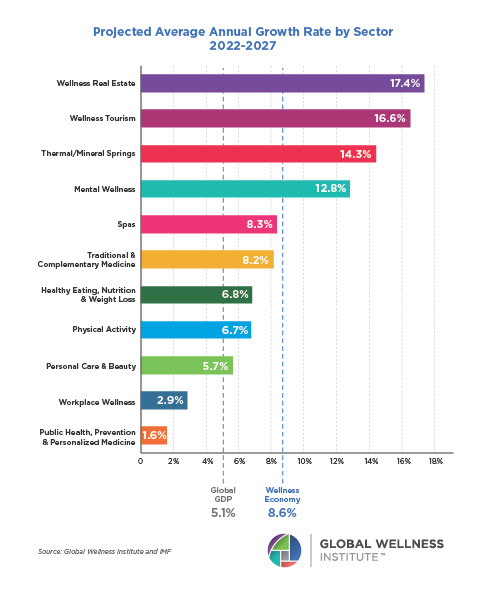
We can no longer ignore the realities and costs of extreme heat and climate-induced storms and wildfires, which scientists are warning will only become more frequent and severe. Aren’t the last two months in Europe (which is warming more than twice as fast as the global average) enough fresh evidence? June’s heatwave may have caused more than 20,000 deaths in Europe and the wildfires raging in France and Spain alone have forced hundreds of thousands of people to evacuate, destroyed scores of homes and forced vacationers to flee. Most countries simply aren’t prepared. But adapting to extreme heat will become a huge consideration for policymakers and investors, with a massive reallocation of capital and new capital formation in infrastructure. Climate habitability will also become a burning issue for the wellness tourism and real estate sectors, where temperate locations will command a major premium.
THE COST OF EXTREME HEAT: Heatwaves attract less attention than floods, storms and wildfires, but they tend to be even more deadly and economically destructive.
Deadly: in Europe (which is warming more than twice as fast as the global average), the last heatwave in June may have caused more than 20,000 deaths. This week, hundreds of thousands of people in Spain and France had to evacuate from terrifying blazes fueled by soaring temperatures and super-dry conditions. Hundreds of thousands of acres of land and scores of homes have been destroyed; vacationers have been forced to flee popular summer vacation spots. And a new heat wave is forecast to hit large parts of the continent this week. Bordeaux is standing by to evacuate the city.
Climatologists warn that the heatwaves will only become more frequent, more severe and longer lasting. This new article at Bloomberg (“Welcome to the Heat Dome’s Recurrent Danger”) explains how poorly prepared most countries are for dealing with extreme heat, despite the devastating effects it has on economic activity, daily life and our health (reduced sleep, worsened cognitive function and increase in accidents and impulsive behaviors). The article also explains how adapting to extreme heat will become the necessary norm and lead to a flurry of measures ranging from air conditioning and window shutters to planting trees and painting roads and rooftops in white.
Heatwaves are economically destructive in so many ways: they impact growth primarily via a drop in productivity (up to 40% in some studies) and an increase in absenteeism. They also increase operational costs by straining infrastructure and fuel inflation by decreasing agricultural yields and increasing electricity prices.
Climate habitability will therefore become a major consideration for policymakers and investors, which will lead to a massive reallocation of capital and new capital formation in infrastructure (buildings, electricity grids, water and transportation).
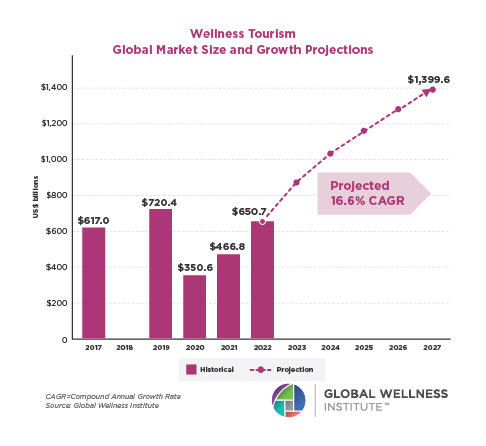
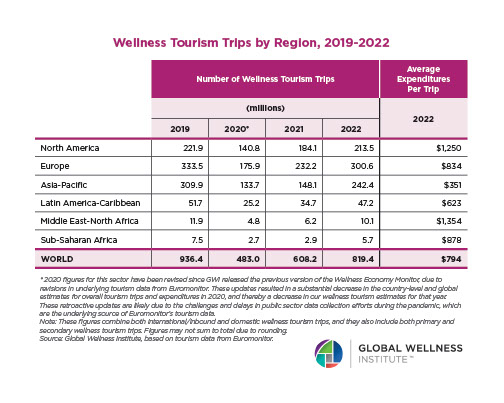
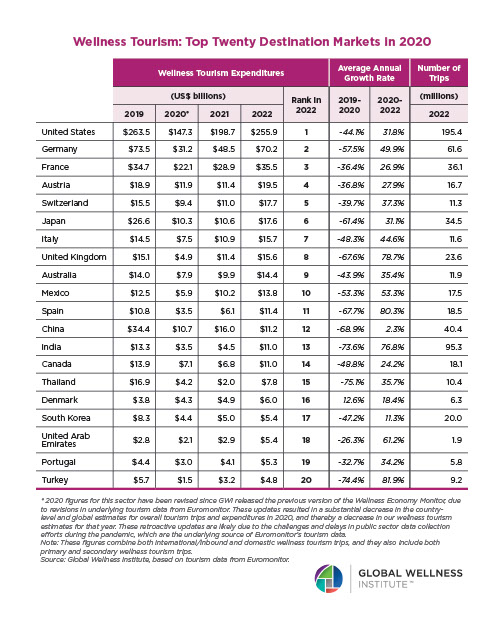
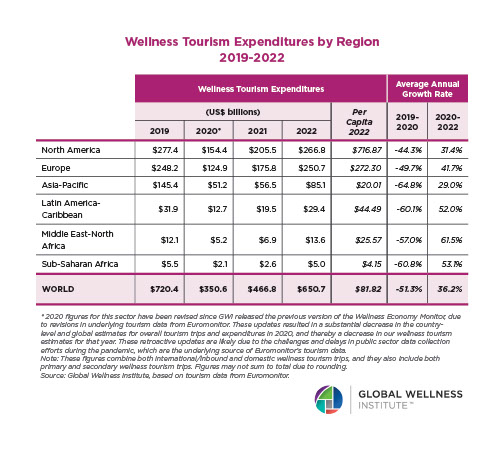
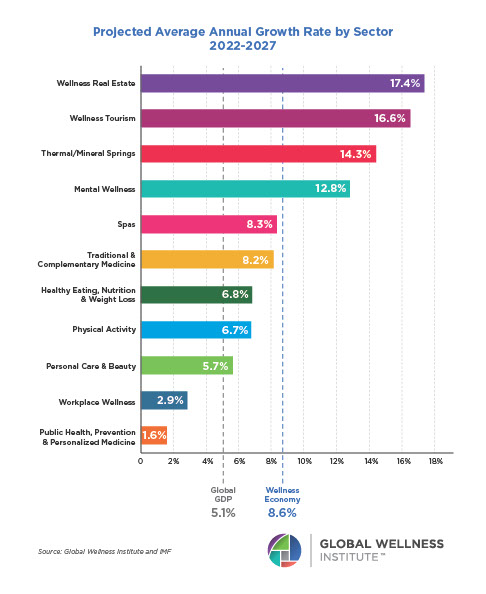
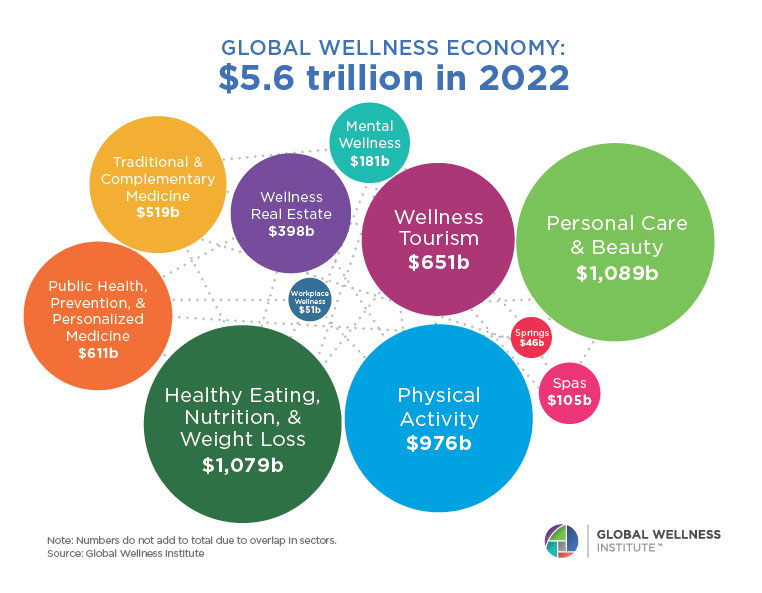
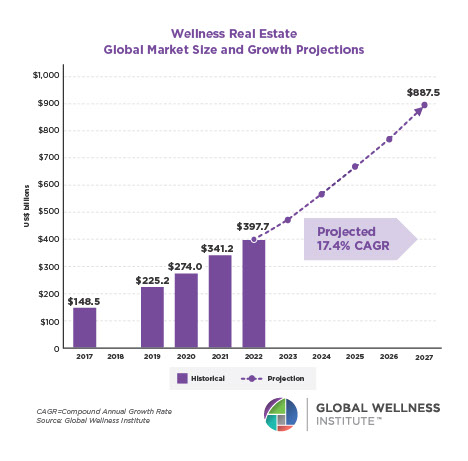
KEY FOR WELLNESS: Extreme heat will become a very major consideration for the wellness industry, and a source of both competitive advantage and disadvantage. Wellness resorts and activities located in temperate locations will benefit from a huge premium.