2026 Hot Springs Initiative Trends

Initiative Co-Chair: David Dronet, Owner, The Springs Resort & Spa, United States
Initiative Co-Chair: Marcus Coplin, Nerouphos Consultation, United States
TREND 1: From Relaxation to Measurable Health Outcomes
In 2026, hot spring destinations are moving decisively beyond traditional “relax and unwind” positioning toward measurable health value. Population ageing, increasing prevalence of chronic conditions and stronger emphasis on preventive care across Europe are reshaping guest expectations. Visitors increasingly seek structured balneotherapy programmes, rehabilitation modules, supervised therapeutic treatments and cooperation with medical professionals. Thermal resorts that integrate mineral waters into organised preventive health pathways, rather than offering bathing as a standalone leisure activity, will strengthen their systemic relevance within the European health landscape. This evolution aligns with broader EU health resilience priorities and the growing integration of tourism and public health strategies.
Resources:
- Dryglas, D., & Smith, M. K. (2025a). Introduction: The development of health tourism in challenging times – A focus on the Visegrád countries. Worldwide
- Hospitality and Tourism Themes, 17(2), 152–158. https://doi.org/10.1108/WHATT-01-2025-0024
- Dryglas, D., & Smith, M. K. (2025b). Medical tourism in Poland: Policy, development and future challenges. Worldwide Hospitality and Tourism Themes, 17(2). https://doi.org/10.1108/WHATT-01-2025-0025
- OECD/European Commission. (2024). Health at a glance: Europe 2024: State of health in the EU cycle. OECD Publishing. https://doi.org/10.1787/b3704e14-en
- https://www.pagosahotsprings.com/pathways-your-personalized-wellness-journey/
TREND 2: Energy-Smart Thermal Destinations
Energy transition pressures and rising operational costs are reshaping thermal tourism in Europe. In 2026, geothermal optimization, water recirculation systems and reduced fossil energy dependence become central elements of financial resilience. Within the framework of the European Green Deal, geothermal energy is increasingly recognised as a strategic renewable resource supporting regional decarbonization and long-term economic stability. For Polish hot spring resorts, energy-smart infrastructure is no longer solely a sustainability narrative, it is a structural necessity directly influencing profitability and competitiveness.
Resources:
- Hajto, M., & Kępińska, B. (2025, October). Geothermal energy use – Country update for Poland, 2022–2024 [Conference paper]. European Geothermal Congress, Zurich, Switzerland. https://doi.org/10.5281/zenodo.17755587
- Pavlakovič, B. (2021). Geothermal energy tourism and public acceptance: The role of tourism in promoting geothermal energy. Sustainability, 13(18), 10353. https://www.mdpi.com/2071-1050/13/18/10353
- European renewable energy policy & geothermal strategic role European Commission. Geothermal energy. European Commission. Retrieved February 27, 2026, from https://energy.ec.europa.eu/topics/renewable-energy/geothermal-energy_en
TREND 3: Longevity and Structured Recovery Programs
Hot springs are increasingly entering the longevity and structured recovery market. Demographic aging and stress-related conditions are strengthening demand for organized recovery retreats combining thermal cycles, non-geothermal hydrotherapy, physiotherapy, group yoga and mindfulness classes, sleep optimization, nutrition guidance and mental regeneration modules. Rather than offering passive bathing experiences, thermal destinations are packaging mineral waters into curated preventive and restorative programmes targeting middle-aged and senior segments. This development reflects broader strategies aimed at strengthening health system resilience and promoting healthy aging.
Resources:
- Dryglas, D., & Smith, M. K. (2025a). Introduction: The development of health tourism in challenging times – A focus on the Visegrád countries. Worldwide Hospitality and Tourism Themes, 17(2), 152–158.
- OECD/European Commission. (2024). Health at a glance: Europe 2024: State of health in the EU cycle. OECD Publishing. https://doi.org/10.1787/b3704e14-en
- World Health Organization Regional Office for Europe. (2023). Mental health and well-being in Europe: Status report. WHO Europe. https://iris.who.int/server/api/core/bitstreams/e95b49f1-2426-4d8e-bfc9-25b49397ca2 b/content
- https://www.morningstar.com/news/pr-newswire/20260226la97075/dr-marcus-coplinreleases-future-wellness-2026-seven-frontiers-redefining-human-vitality-white-paper
TREND 4: Heritage as a Strategic Asset – Historic Hot Springs Revitalization
Historic thermal architecture and bathing traditions constitute important competitive assets within the thermal tourism market. In 2026, hot spring destinations that integrate storytelling, architectural preservation and heritage interpretation into their product strategy strengthen differentiation and premium positioning. Cultural authenticity enhances brand identity and long-term resilience, particularly in a market increasingly characterized by standardized wellness infrastructure. Cultural frameworks reinforce the strategic importance of historic thermal towns as part of shared continental heritage.
Resources:
- Dryglas, D., & Smith, M. K. (2025a). Introduction: The development of health tourism in challenging times – A focus on the Visegrád countries. Worldwide
- Hospitality and Tourism Themes, 17(2), 152–158. https://doi.org/10.1108/WHATT-01-2025-0024
- Dryglas, D., & Smith, M. K. (2025b). Medical tourism in Poland: Policy, development and future challenges. Worldwide Hospitality and Tourism Themes, 17(2). https://doi.org/10.1108/WHATT-01-2025-0025
- European Historic Thermal Towns Association. (2023). Annual report on European thermal heritage and development. EHTTA. https://rm.coe.int/gp2023thermaltowns/1680b2a05e
- https://sunset.com/travel/hotels/murrieta-hot-springs-renovation
TREND 5: Multi-Day Hot-Spring-Based Wellness Retreats
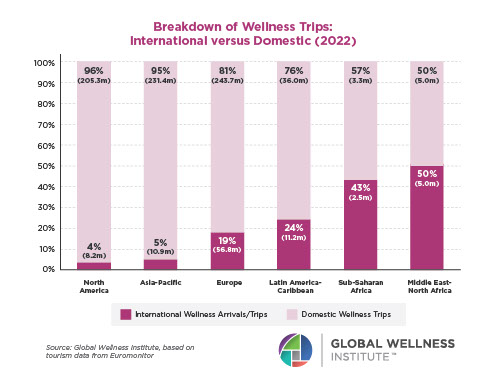
Thermal travel patterns are shifting toward shorter, focused, more frequent stays. Instead of annual long medical spa holidays, guests are seeking thermal amenities within closer proximity to their homes to make two- to four-night thermal getaways a more regular part of their wellness routines throughout the year. Domestic markets increasingly stabilize demand, reducing vulnerability to international fluctuations and supporting year-round occupancy management. This “micro-seasonality” model aligns with broader tourism transition strategies focused on resilience and demand diversification.
Resources:
- Smith, M. K. (2024) New Trends in Wellness Tourism: Restoration and Regeneration, in Morrison, A. M. and Buhalis, D. (eds) Routledge Handbook of Trends and Issues in Global Tourism Supply and Demand, London: Routledge, pp.480-496.
- Niță, A. (2025). Empirical investigation of the motivation and perceptions of wellness tourists in the post-pandemic era. Sustainability, 17(14), 6590. https://doi.org/10.3390/su17146590
- https://www.pagosahotsprings.com/retreats/