2026 Consulting Best Practices Initiative Trends

Initiative Chair: Lisa Starr, Consultant for Wynne Business, United States
Initiative Vice-Chair: Wilfried Dreckmann, Founding Director of Spa Project, Germany
The Consulting Initiative represents a global network of over 150 specialized professionals whose primary role is to guide spa and wellness businesses in defining and achieving their goals, whether financial or cultural. Whether we are engaged at the design and concept stage, or to provide guidance once a business is operational, we are afforded a front-row seat to trends in businesses in our sector. Our Task Force members have identified the following developments that we are coming across in our work.
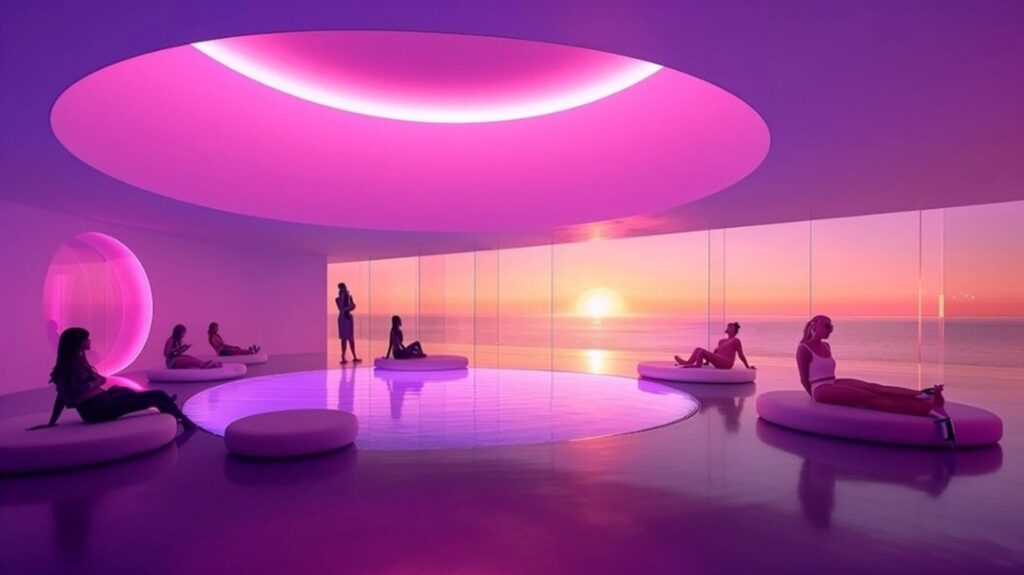
TREND 1: Navigating Investment and Innovation in Social Wellness Clubs
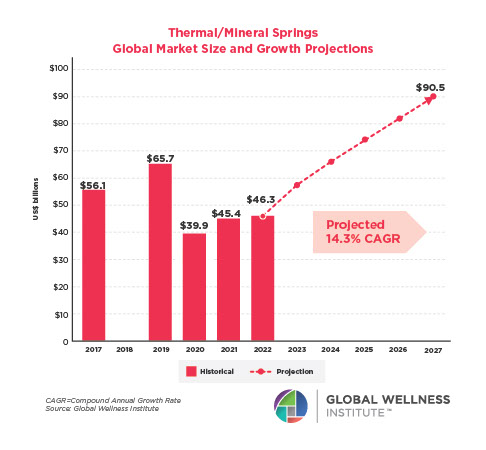
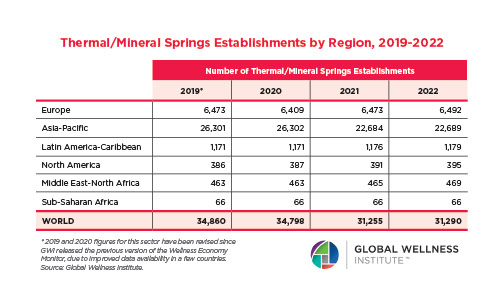
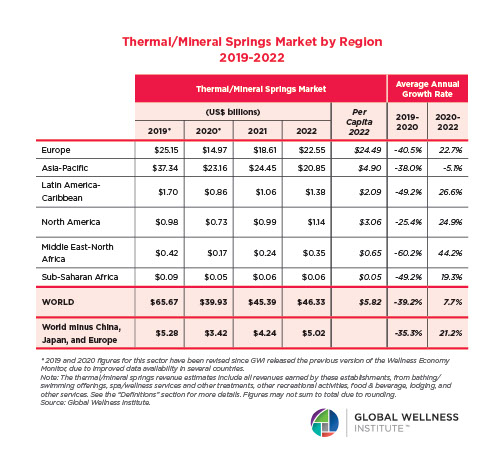
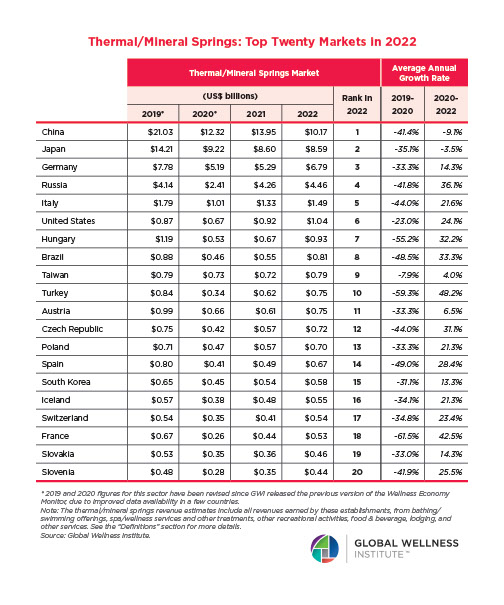
Consultants globally are seeing a huge interest on the part of prospective owners in social wellness clubs and facilities, many with a thermal or bathhouse component. However, this is accompanied by sticker shock during the feasibility study, as these are capital-intensive projects, often costing three times more to create than a standard spa or wellness facility. Probably as a result of this, we are also seeing an increased interest in creating private luxury clubs which, along with typical membership club amenities such as meeting/workspace and food service, would provide self-guided wellness rooms to combat ongoing staffing challenges. A current challenge to these trends is the lack of information on health protocols or training for some of these resources. We are looking to vendors to provide more data, health protocols and design requirements to anticipate broader deployment of these components.
TREND 2: More Expert Guidance for Wellness Startups
A side effect to the boom in interest in all things wellness is that many folks hoping to jump on the bandwagon by creating a new business or facility don’t have a hospitality, wellness or retail background. They have had successful careers in other industries, but often do not have experience in client-facing models. These clients rely on consultants to provide additional education and guidance, while at the same time these prospects do not always believe what they are being told!
TREND 3: New Wellness Offerings in the Entertainment Industry
Businesses from the amusement park and attractions industry are inquiring about adding wellness components: since they already have the whole family there, why not? Examples include theme parks offering healthy food as well as wellness festivals (Disney), art and sauna exhibitions (teamLab reconnect), museums hosting events that provide yoga and wellness festivals (US National History Museum, British Museum, Museum of the Future, Dubai), and wellness spaces with immersive video, art and AI (Submersive Austin, 2027).
TREND 4: The Rise of Touchless Wellness Services in Traditional Fitness Studios
As the technology and developments in AI continue to advance in terms of equipment and products available, we are seeing traditional fitness-oriented businesses such as rock-climbing and hyper-focused studios beginning to add in touchless recovery and wellness services to expand their offering to their clients, who are obviously practicing a healthy lifestyle.
TREND 5: Incorporating Wellness – How Late Adopters Can Succeed
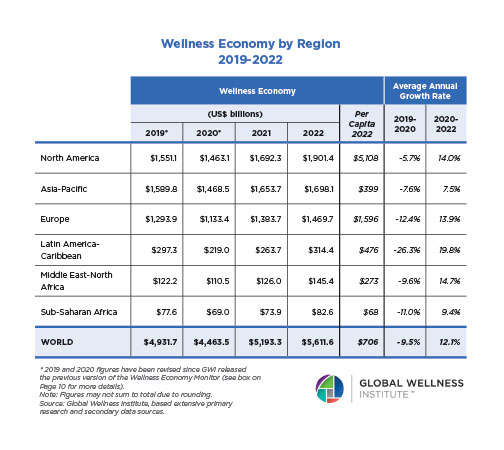
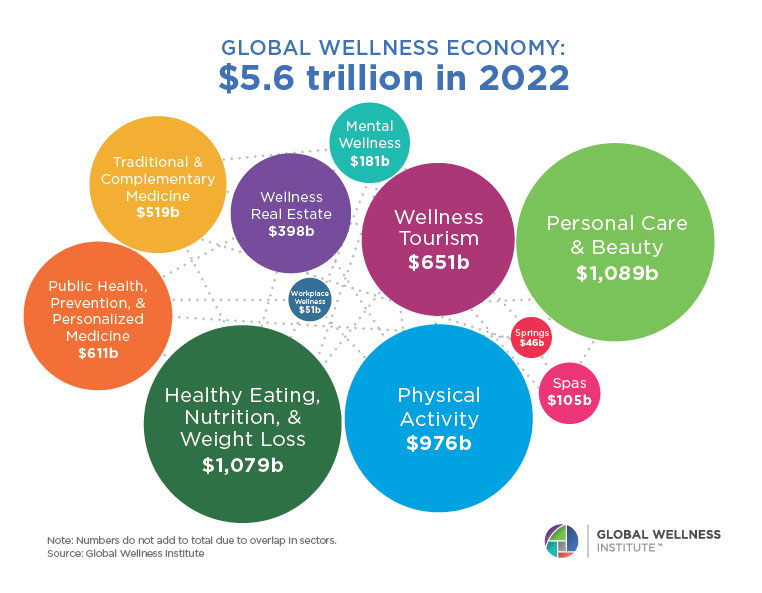
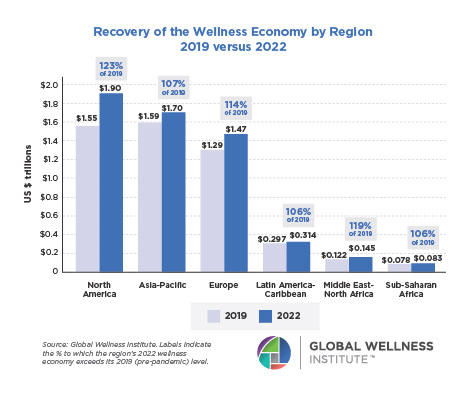
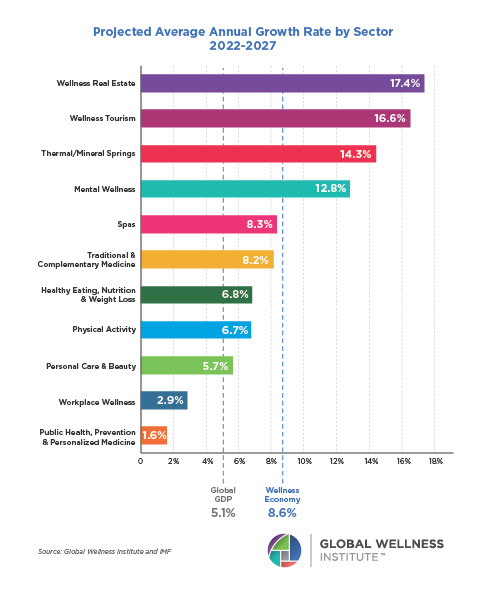
As the wellness economy continues to grow, some businesses currently operating in verticals that serve live clients—such as hospitality, spa & wellness and fitness—are experiencing some FOMO that they may not be successfully providing a wellness component. These businesses are anxious to jump onboard, but confusion and poor execution ensues due to the myriad options. Businesses that are late to the game need to pause a beat and craft a careful plan and assessment, so their efforts become more than just window dressing.