2026 Aesthetic Health Initiative Trends

Initiative Chair: Alison O’Neil, President & Founder, Beauty Becomes You Foundation, United States
Initiative Vice-Chair: Anita Murray, Managing Director, The Salon & Spa Company and Founder Be Kingdom Kind, Ireland
Aesthetic health continues to evolve as a key pillar of modern wellbeing. Simply stated, it is the art and science of understanding how the signs and symptoms of beauty impact our lives. The term “aesthetic” is defined as the philosophy of beauty, and so it makes sense that today’s definition is more of an umbrella term and continues to expand. As we review the trends in beauty and health, the focus ties in with the general population’s goals to live healthier overall, be attractive (as one may define it) and live a long life. Evidence continues to mount proving that there is no separation between health and appearance. Aesthetic health has been tied to humans since primitive times. Better teeth, clear skin, beautiful hair and a healthy body have always represented one’s ability to continue strong family lines, and to ensure longevity, which has been a constant quest of mankind. Embracing the influence of beauty on our brains and how that ties into our overall health will take us to new heights in understanding aesthetic health.
Driven by advances in science, technology and education, the leading aesthetic health trends for 2026 highlight a future shaped by innovation, evidence-based practice and increasing accessibility, as patients seek personalized solutions that deliver natural, lasting results to support long term health and preventative care.
TREND 1: The Basic Science of Neuroaesthetics Is Evolving to Ask Questions Beyond Beauty
The reward system is deeply involved in aesthetic appreciation. The ventral striatum, including the nucleus accumbens, shows increased activity for pleasing and preferred objects. This reward circuitry, which normally releases dopamine and endogenous cannabinoids and opioids for biologically significant pleasures, is activated by beautiful faces, artwork, music and even pleasing architectural spaces. However, aesthetics often goes beyond pleasure and liking, and incorporates nuanced emotions. In some instances, negative emotions can contribute to powerful aesthetic experiences, like a sense of anxiety embedded in the experience of awe. Researchers in the US and Europe are uncovering a more complex cocktail of emotions experienced in aesthetic encounters.
The rise in neurocosmetics and the mind-skin connection will bring forward compounds that interact with the skin’s receptors to positively affect emotional states and link psychological health and skincare. This will support the expanding wellness industry by furthering emotional wellbeing and stress reduction, encouraging more businesses to draw on all five senses and produce services and products that customers look forward to buy and consume.
Resources:
- Menninghaus, W., Wagner, V., Wassiliwizky, E., Schindler, I., Hanich, J., Jacobsen, T., & Koelsch, S. (2019). What are aesthetic emotions?. Psychological review, 126(2), 171.
- Fingerhut, J., & Prinz, J. J. (2020). Aesthetic emotions reconsidered. The Monist, 103(2), 223-239.
- Christensen, A. P., Cardillo, E. R., & Chatterjee, A. (2023). What kind of impacts can artwork have on viewers? Establishing a taxonomy for aesthetic impacts. British journal of psychology, 114(2), 335-351.
- Stamkou, E., Keltner, D., Corona, R., Aksoy, E., & Cowen, A. S. (2024). Emotional palette: a computational mapping of aesthetic experiences evoked by visual art. Scientific Reports, 14(1), 19932.
TREND 2: Longevity Aesthetics
Longevity aesthetics is one of the biggest shifts we will see advancing in beauty and health. Instead of trying to “reverse ageing” the focus is shifting towards optimizing biological age and long term health. More brands will begin to offer treatments that improve sleep, recovery, stress resilience and cellular repair, like NAD+ therapy and cellular repair treatments.
Traditional beauty and aesthetics treated wrinkles or sagging skin as cosmetic problems. Longevity aesthetics asks a different question: How old are your cells biologically?
Skin is increasingly viewed as a window into internal health. As a result, services in this area will combine dermatology, nutrition, hormone optimization and metabolic testing.
Future longevity aesthetics will use biological data to guide treatments. Epigenetic age testing, microbiome analysis and wearable health monitors will all be used to treat collagen breakdown, inflammation markers, oxidative stress and hydration levels. The future will be more about looking young through improved health than relying on procedures to hide ageing.
Resource:
- Longevity cosmeceuticals as the next frontier in cosmetic innovation //pmc.ncbi.nlm.nih.gov/articles/PMC12137348/
TREND 3: Psycho-Dermatology – Exploring the Brain/Body Connection and Its Effect on Our Health and Appearance
The link between our mental and physical states and their impact on our skin’s condition and our general health and wellbeing continues to gain momentum. The next chapter of wellness for aesthetic health will be the mind-body beauty connection where mental wellbeing and physical health are more intertwined. The acceleration of the mind/body connection will encourage more brands, spa operators and wellness professionals to enhance the wellness journey with neuro cosmetics, incorporating stress relieving techniques, healing practices and revised routines to accelerate this understanding. People will be willing to pay more for products with mood boosting qualities. Looking good makes people feel more confident and maintaining good mental wellbeing is key to overall wellbeing.
Our current circumstances continue to bring these ideas to light, and beauty presents an opportunity to improve and target this space with new innovations like edible and drinkable products, biometric screening in spa and wellness settings, skin immunity and wider emphasis on integrative wellbeing. Integrative medicine practitioners will be aware of the role that stress plays in disease, and we will continue to see medical and wellness approaches come together to manage stress and prevent skin conditions like acne, rosacea and premature aging.
*Did you know that the brain and skin have the same embryonic origin? Skin and brain form at the same time on day 21 of the embryo, with the outermost part of the embryo – the ectoblast – giving rise to the nervous system and the epidermis. Your skin is therefore a sort of extension of the brain. Its nerve architecture is extremely complex, with no less than 800,000 neurons, 11 meters of nerves and around 200 sensory receptors per cm3. This connection makes it impossible to dissociate the psychic realities that each of us undergoes on a daily basis from the physical ones concerning our skin.
Resource:
- *Prof. Laurent Misery, Head of the Department of Dermatology at the University Hospital of Brest, France
TREND 4: Regenerative Aesthetic Medicine
Sound science and data-backed products and services are not just hoped for by consumers, they are expected. A huge trend is regenerative treatments that repair tissues instead of temporarily filling or freezing them.
The microbiome remains an important focus, and soon we will see a new generation of regenerative biotherapeutics featuring bioactive proteins, growth factors and nucleic acids taking center stage for skin and hair rejuvenation. Exosomes can provide similar benefits to stem cell therapy without many of the unwanted side effects and polynucleotides help improve the skin tissues on a cellular level. Rather than introducing new ingredients, hi-tech performing cosmetic brands will focus on advanced delivery systems for optimum efficacy and outcomes, bringing forth new ways to innovate legacy ingredients and equipment. We will also see tissue regeneration instead of botox style correction, with an emphasis on long term structural improvements
*The field of aesthetic health, particularly in medical aesthetics, has been experiencing significant trends and advancements. There’s a growing preference for less invasive treatments that offer minimal discomfort and require little to no downtime. This trend reflects a shift towards procedures that can be done quickly, often in an outpatient setting, with rapid recovery times. This is driven by factors such as advancements in technology, growing awareness about aesthetic treatments, and an ageing population seeking anti-aging solutions.
Resource:
- *Prof Patrick Treacy Medical Director Ailesbury Clinics MICGP, MBCAM, H. Dip Dermatology, DRCOG, DCH, LRCSI, DTM MB BCh
TREND 5: Hyper-Personalized Aesthetics Using AI and Biomarkers with an integrative approach to singular issues
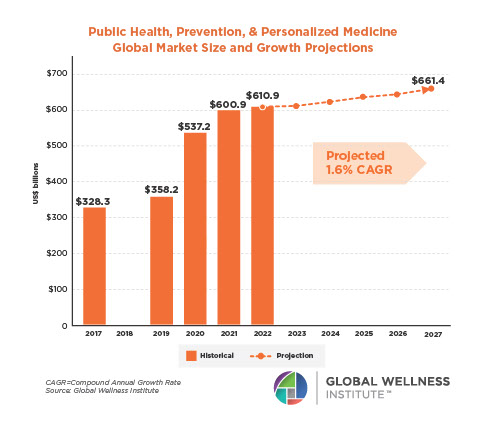
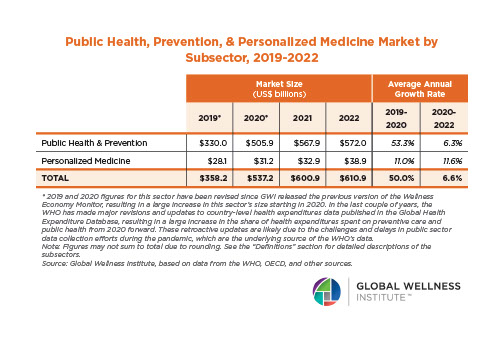
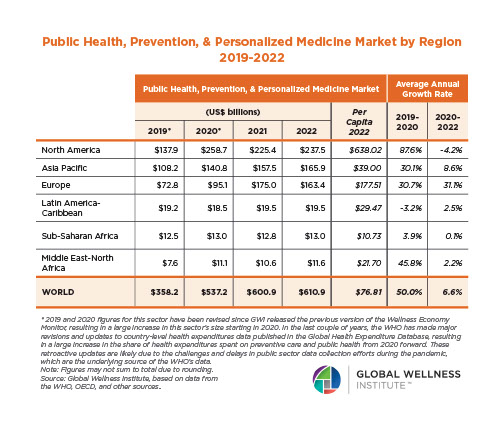
Technology will allow personalized treatments tailored to an individual’s biology, genetics and lifestyle using AI skin diagnosis, DNA-based skincare, predictive ageing models and real time. Skin and hair will become biomarkers of overall health, linking beauty directly to medical diagnostics.
As the concept of wellness evolves into a whole-person approach to health, 2026 will continue to see an increasing trend where specific issues are addressed through multiple modalities. Take skin health, for example. Instead of solely relying on specific skincare treatments for physical concerns, holistic approaches that incorporate aspects like diet, sleep and mental health will become a standard part of the wellness examination. Addressing aesthetics will involve an approach that encompasses the mind, body and spirit, linking the concept of improving appearance to enhancing overall wellbeing. Similarly, physical products that extend benefits to mental states will gain heightened attention. For instance, food and beverages with ingredients beneficial for digestion that also enhance mood, and cosmetics that not only improve physical appearance but also aim to boost self-confidence and nurture self-care will continue to spotlight the expansion from traditional aesthetics to encompass elevated mental states.
TREND 6: Traditional Ingredients Paired with Innovation
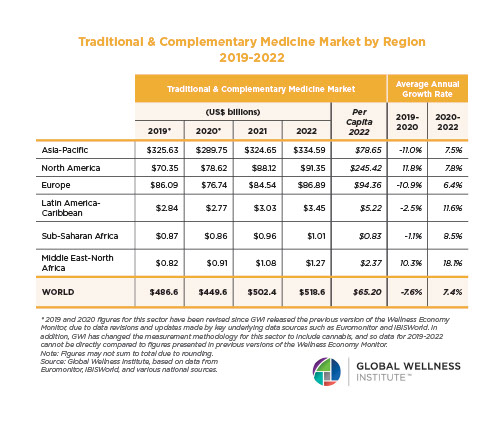
Consumers want innovations, but they also increasingly want the familiar effectiveness of the ingredients and practices they have come to trust over time. In 2026, we will continue to see more products and lifestyle management approaches inspired by traditional practices like Ayurveda, homeopathy, traditional Chinese medicine and Amazonian customs.
Products will blend herbal and plant medicine with modern science, offering solutions that address physical, mental and spiritual wellbeing. By blending time-honored knowledge with contemporary research and technology, brands will be able to deliver more holistic and trusted results. This trend represents the fusion of ancient wisdom and modern science, offering consumers a balanced approach to beauty, health and wellness that feels both innovative and reassuringly familiar.
Resources:
- Eating for Wellness Will Be a Lot Simpler—And More Celebratory—In 2024: https://www.wellandgood.com/wellness-minded-food-brands/
- Beauty + Wellness Category Expands Market by 45% Determines NIQ Report, Dec. 13, 2023: https://www.cosmeticsdesign.com/Article/2023/12/13/Beauty-Wellness-category-expands-market-by-45-determines-NIQ-report
- Formulation Trends Driving Feel-Good Products in Self-Care Rituals: https://beautymatter.com/articles/formulation-trends-driving-feel-good-products-in-self-care-rituals
- Cosmetics Business reveals the top 5 ‘Ancient Beauty’ trends of 2024 in new report: https://cosmeticsbusiness.com/cosmetics-business-reveals-the-top-5-ancient-beauty
- Integrative approach to lifestyle management: Implications for public health research & practice in the context of SDG-3: https://www.ncbi.nlm.nih.gov/pmc/articles/PMC10692374/