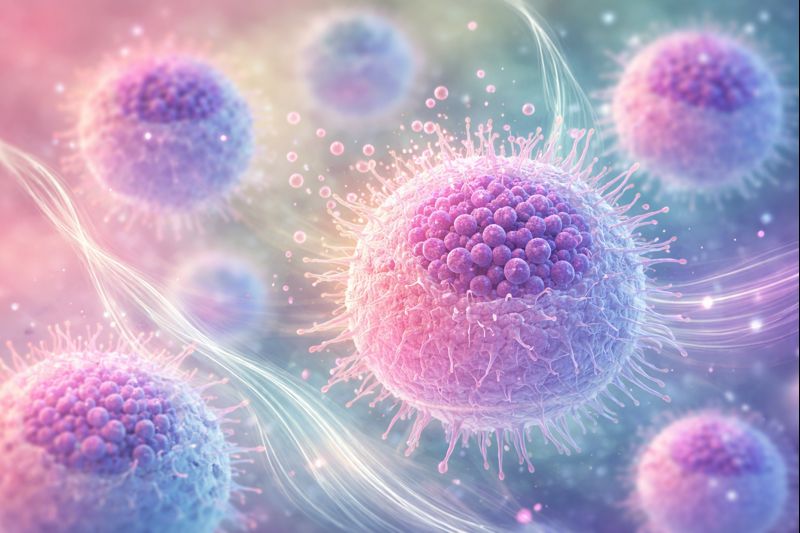
Mast cells are often introduced in medical training as the foot soldiers of classic allergy: histamine-filled, quick to degranulate, and responsible for hives, flushing, and the familiar arc of allergic reactivity. But the last decade of research has recast them into something more complex—and far more interesting. Mast cells are increasingly understood as neuroimmune interface cells: immune cells that both respond to nearby nerves and…