Use It or Lose It—New Study on Twins Reveals Big Impact of Exercise on Health

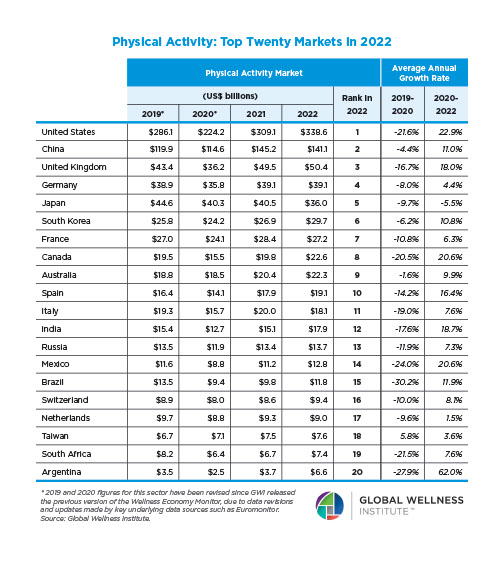
Identical twins, of course, share the same genes (and typically backgrounds), so medical studies on them allow researchers to more precisely isolate the impact of a behavior on health. And a very interesting new study from a Finnish university reveals that when one adult twin exercises—and the other doesn’t—the result is a major difference in their bodies and brains.
 

Finnish Study Indicates Frequent Sauna Usage May Boost Longevity …Heart-warming new data on the relationship between saunas and heart health

A large, long-term University of Eastern Finland study revealed that frequent time spent in saunas was associated with a longer life and less cardiac-related deaths. Analyzing 2,300 middle-aged men over two decades, the researchers found that men who visited a sauna 2-3 times a week had a 24 percent lower risk of death, while those who sweated it out 4-7 times weekly had a 40 percent mortality reduction, compared with only one sauna session a week.
RESEARCH STUDY ON WEIGHT LOSS

New Study: Gain in Body Mass Index (BMI) Carries Risks—Even if You Stay Within Normal Weight. Numerous studies have confirmed that being obese/overweight means a higher likelihood of cardiovascular (and other) diseases. But now a new study on 12,000 subjects revealed that even people who gain weight within acceptable BMI limits up their risk for cardiovascular disease and other adverse metabolic changes. The research is notable for studying such a large population, which was able to isolate the impact of BMI increases independent of factors like exercise, smoking and eating fatty foods.

RESEARCH STUDY ON MEDITATION

13-Step Program? Meditation Helps Alcohol Dependents: Mindfulness – oriented meditation can help reduce relapse rate among those with alcohol dependencies. Soon to be published in the Journal of Addictive Diseases, researchers found that an eight-week program of mindfulness-oriented meditation (MOM) helped improve Temperament and Character Inventory scores as well as rates of relapse in alcohol dependent (AD) subjects.