The Secret Code to Unleashing the World’s Most Amazing Flavors – Wired, August 2016
Food can be a potent source of wellness. A famous chef presents what he calls his “unified theory of deliciousness.”
The Secret Code to Unleashing the World’s Most Amazing Flavors – Wired, August 2016
Food can be a potent source of wellness. A famous chef presents what he calls his “unified theory of deliciousness.”
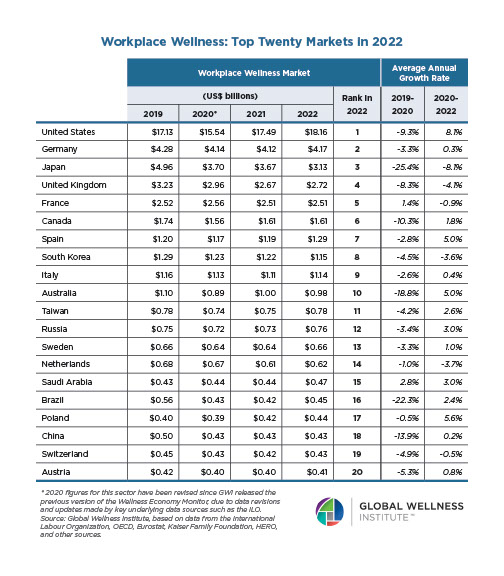
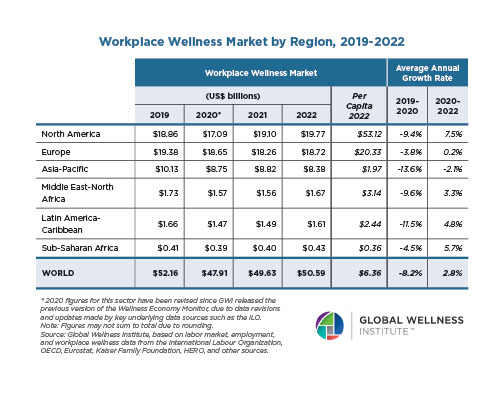
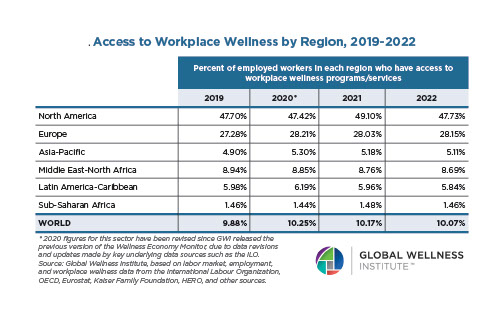
With mounting research that the new always-on work culture is killing productivity, more companies worldwide are taking action to unplug workers. This can range from creating firm policies on work hours (and encouraging people to totally unplug outside of them) to automatically deleting emails for employees on vacation – even banning all internal work emails in favor of calls and face-to-face communication.
Malleret examines a couple of rising trends in the wellness space this month: 1) How both hotels and gyms are creating new “social spaces” where the separation between work, play and rest is getting blurred, and whether this trend threatens the very concept of the “stand-alone” gym. 2) Whether the uniquely structured new tax just passed in Philadelphia on sugary drinks means more such measures are coming in the U.S. and elsewhere.
The GWI’s international roundtables are forums where experts – whether from medicine, science, policy, hospitality or spa – come together to drive more wellness in the world. The 2015 roundtable in Wales held with Swansea University seems to have done just that.
“One Hour of Activity Needed to Offset Harmful Effects of Sitting at a Desk” – The Guardian, July 27, 2016
This article offers a salutary reminder. Sitting behind a desk is bad for our health, but new research shows that at least an hour of physical activity a day may offset the harmful effects of sitting at a desk for eight hours.
The wave of bad news from across the world (terrorism, violence, etc.) seems relentless. In our digital/social media age, every new atrocity is amplified and analyzed ad nauseam 24/7. Malleret argues that this can lead to a collective “catastrophizing” or a cognitive distortion that consists in predicting worst-case scenarios and has a very negative impact on people prone to anxiety and depression. What should we do? Is it time to consciously unplug and consume less news? Is a high volume of news consumption and “wellness” inversely related?