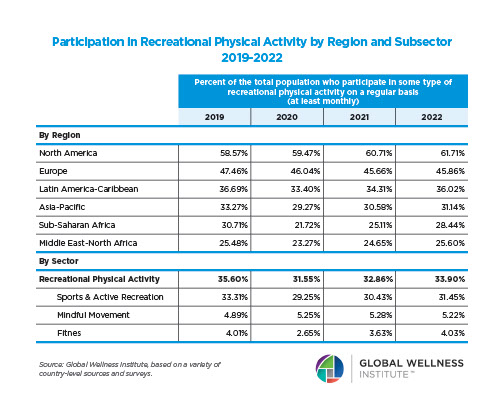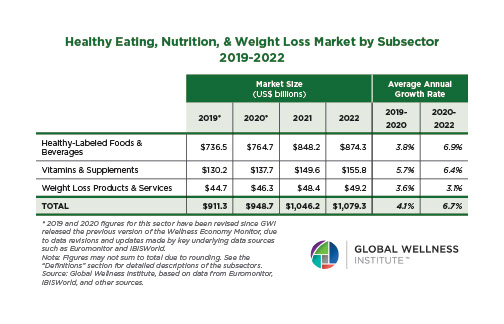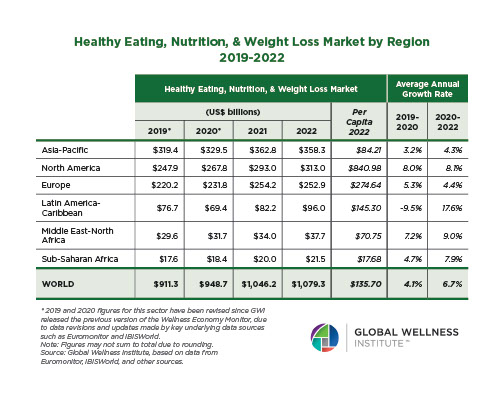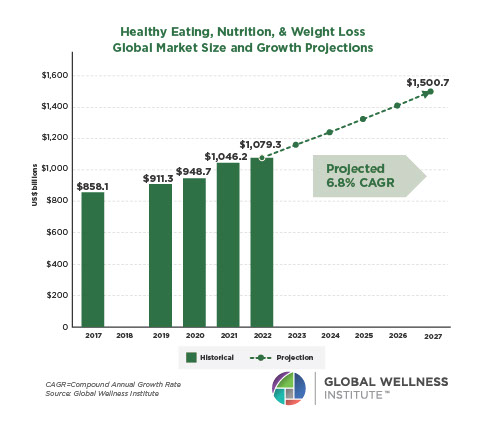
Weight loss advice has long been about counting calories, but a new, large, expensive ($8 million) study led by Stanford Prevention Research Center throws that wisdom into serious doubt: it’s diet quality (cutting back on sugar, refined grains and highly processed foods, while focusing on vegetables and whole foods) that led to people losing significant amounts of weight over the course of a year – with no worrying about portion size or whether it was a low-fat or low-carb diet.
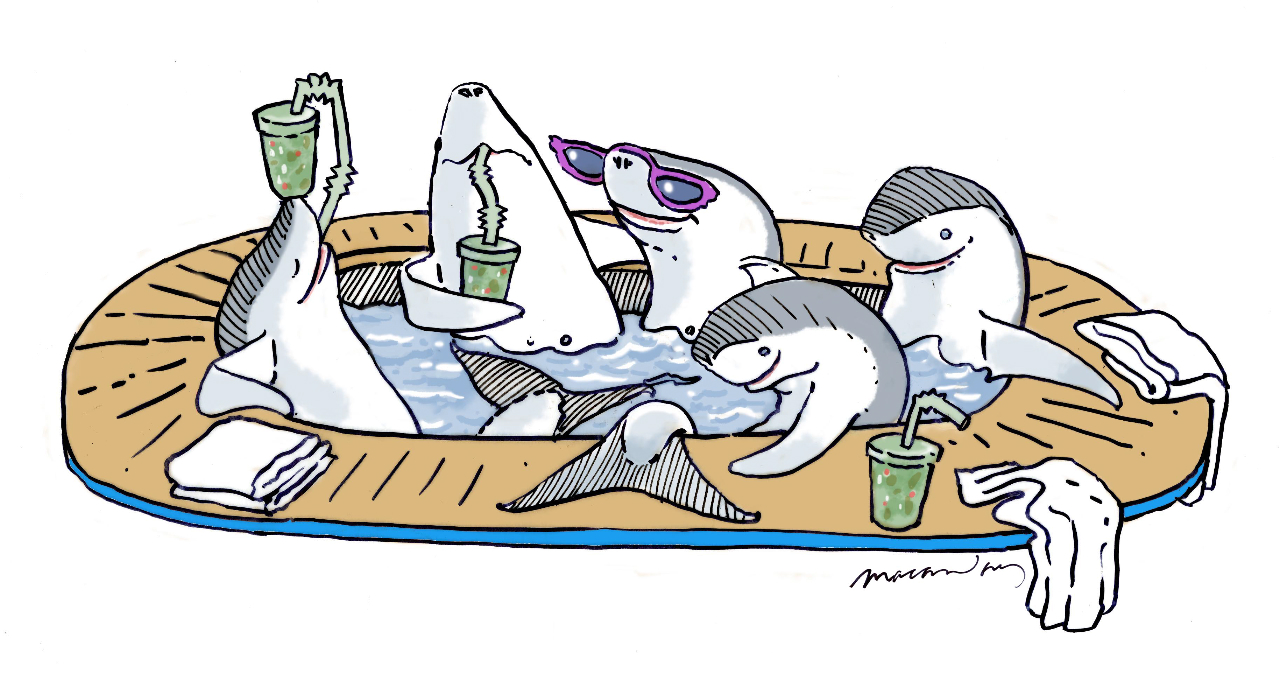
3rd-Annual ‘Shark Tank of Wellness’ Student Competition Begins Tomorrow
Starting March 1, 2018, students from around the world will have an opportunity to submit their most innovative wellness idea to the Global Wellness Summit’s Shark Tank of Wellness competition. This unique global challenge offers university students the opportunity to attend the 2018 Global Wellness Summit in Italy, as well as win significant money for their project. Submissions accepted March 1 – June 1, 2018. Let college students interested in wellness know!

Must-Reads from the Wellness World (Week of February 27, 2018)
“Everyone is Miserable – Here’s What We can Do About It” – Fast Company, February 16, 2018
This is a review of a new book (Lost Connections) that explores how modern societies may be creating a world of unhappiness. The author (Hohann Hari) questions the prevailing wisdom about depression and wonders whether the current epidemic is not connected to how we’ve chosen to construct the world around us. He concludes that: “If you are depressed and anxious, you are not a machine with malfunctioning parts. You are a human being with unmet needs. The only real way out of our epidemic of despair is for all of us, together, to begin to meet those human needs – for deep connection, to the things that really matter in life.”
Wellness Evidence Study: Is Obesity Contagious?
A new study from USC and The Rand Corporation indicates that obesity may be “contagious.” Studying families spread across U.S. counties with higher and lower rates of obesity (ranging from 21%-38%), each 1 percentage point increase in obesity in that county was associated with a 4-5% higher rate of obesity in parents and children. Neighbors seem to impact one’s weight.
Will Wellness Become Simpler in 2018?
Wellness has long been associated with physically tangible offerings such as nutrition, beauty, fitness, travel destinations, and so on. But, in 2018, might it evolve toward less commodified categories like emotional well-being, compassion, gratitude, mental agility, social connection, serenity or reconnecting with nature? Because, while often not costing anything, these are increasingly the most proven paths to well-being.
Climate Change Will Have Complex Impact on the Future Travel Industry
Environmental and tourism analysts often focus on the spectacular aspects of climate change, like storms and floods. But less “event-like” effects will have an even stronger impact on the tourism industry near term: Some regions will simply become too hot – while more frequent episodes of wet weather and droughts will mean places like Cape Town are soon set to run out of water.