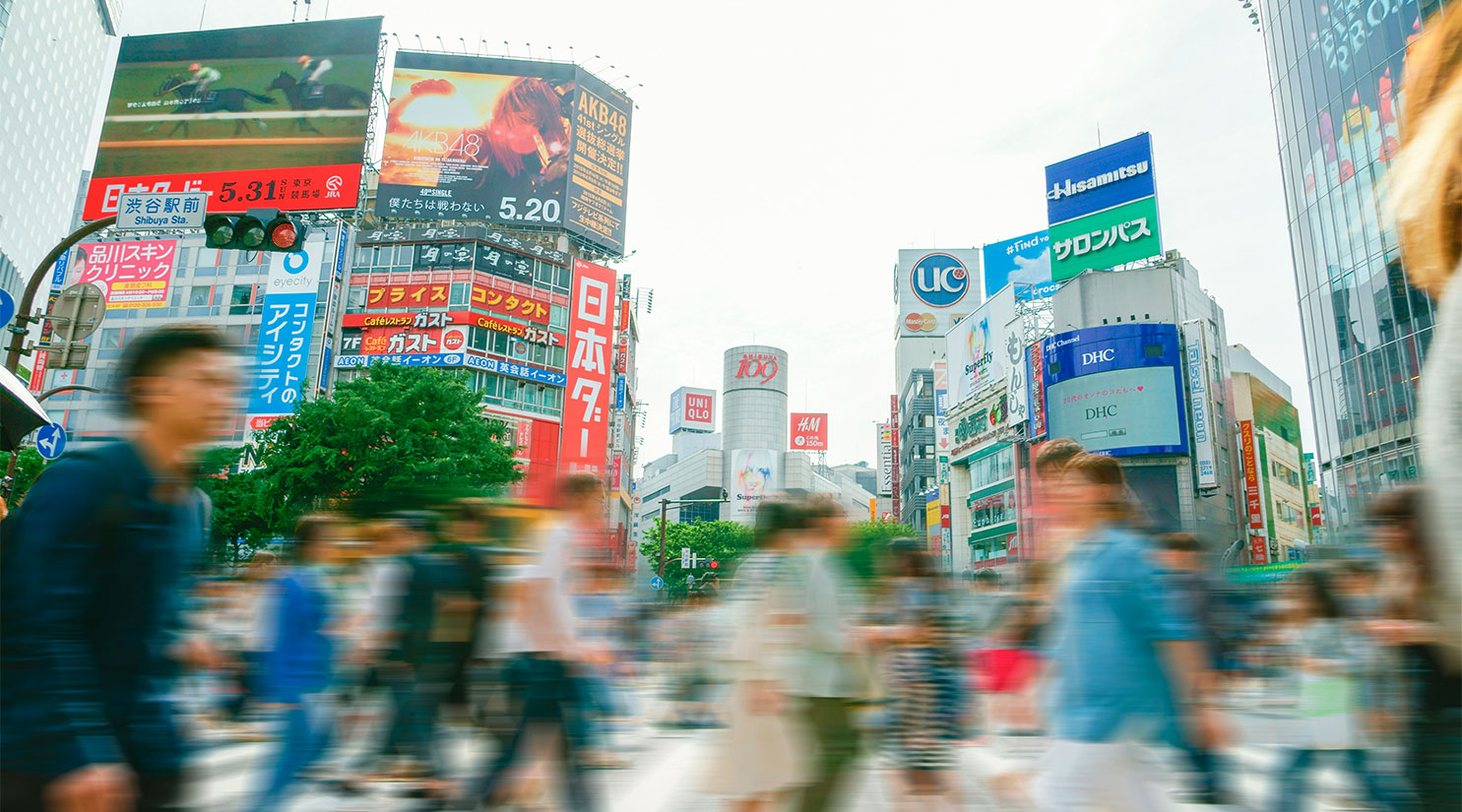
Wellness’ Future Driver? Surge in Middle and Upper Classes in Non-Western World, Especially Asia
By Thierry Malleret, economist
A Bullish Trend for Wellness:
Worries about what the future looks like are eminently subjective because concerns about the world are highly dependent on who we are and where we are. In the rich Western world, we are now victims of the pervasive feeling that the world (i.e.: our world) is unravelling and on the verge of collapse. In other parts of the globe (and more than 90% of the world population is non-Western), people see the global outlook through a very different and much more positive lens.
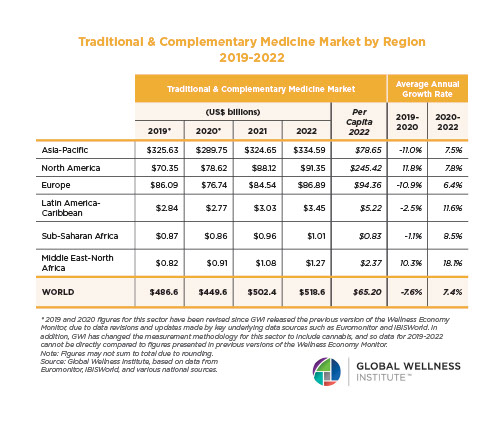
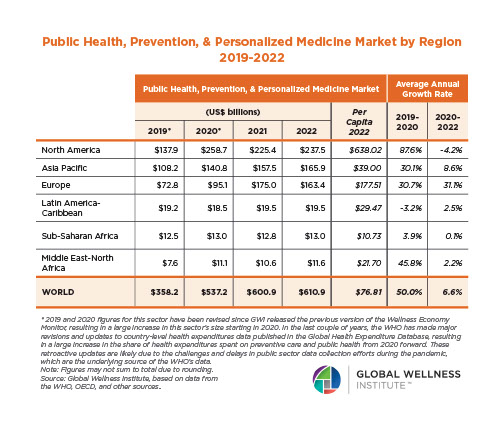
The relentless rise of the global middle and upper class has a lot to do with this. According to a new report from HSBC, in the next 25 years, there’ll be more than 1.2 billion new middle- and upper-income consumers. By then, most the world’s upper-income class (those with a disposable income of more than $110 a day, expressed in purchasing power terms) will live in Asia. This is bullish for wellness in Asia, but also for wellness in the rest of the world. Once a large share of the population crosses the discretionary-income threshold, wellness expenditures tend to grow faster than income.
Globally, the consumption pattern that drives wellness expenditures obeys the following trend: once the basic needs of a household are met, the additional disposable income is normally spent on wellness categories or proxies such as health, appearance, leisure, prevention and quality of life. This is because most wellness spending (including fitness clubs, spas, wellness tourism, healthy foods, supplements, meditation apps, beauty) is discretionary (the opposite of a necessity: something we can’t live without) and with a strong income elasticity of demand their consumption rises proportionately more than income.
Then, as households become more affluent, their consumption shifts towards higher-order needs like prevention, healthy aging, stress reduction, experiences and self-improvement. At still higher income levels, wellness normally becomes a premium or luxury category with products and services like retreats, longevity clinics, personalized medicine, high-end fitness and wellness real estate.
The bottom line: in the years to come, the rise of the global upper and middle class in the non-Western world—particularly in Asia—will be a key driver for the wellness industry.