The Men Who Forgot How to Feel Together
Grief, movement, and the lost art of relational masculinity
There is a growing conversation taking place around men and masculinity. Much of it is polarized. Some narratives frame men primarily as a problem to be solved, while others attempt to restore masculine confidence through increasingly performative ideals of strength, dominance, optimization, and control. Between these poles, many men remain isolated, emotionally unsupported, and disconnected from meaningful forms of belonging.
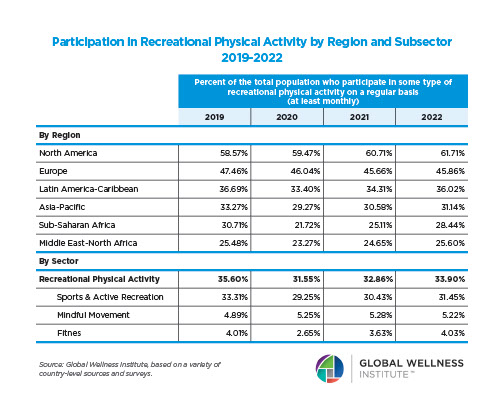
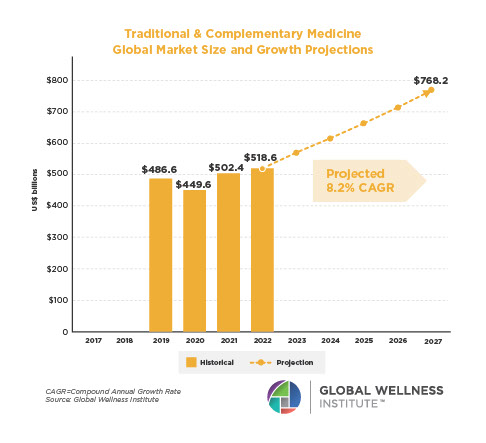
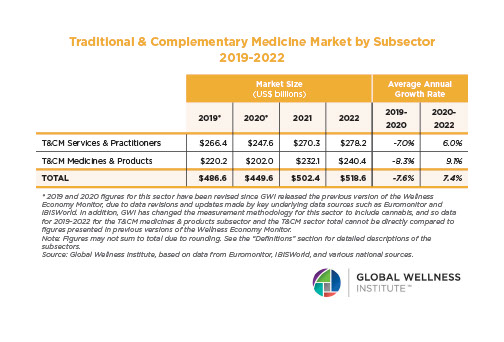
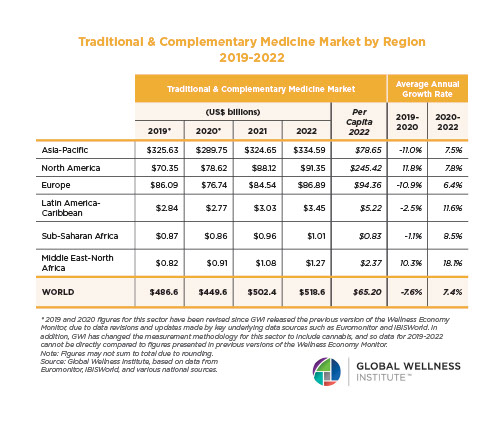
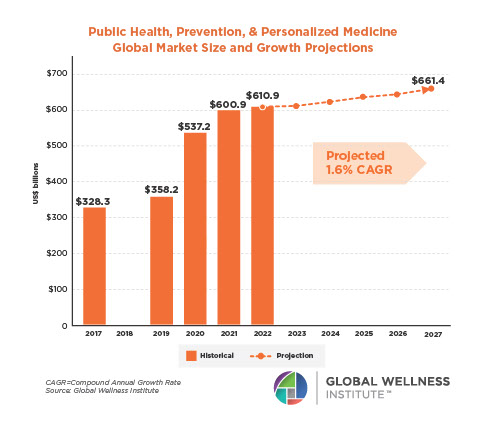
At the same time, a quieter crisis is unfolding beneath the surface. Rising loneliness, body dysmorphia, social fragmentation, digital dependency, and the collapse of intergenerational support structures are reshaping the inner lives of men across cultures. Our research (referenced here) suggests growing concern around male loneliness, body dissatisfaction, and the increasing reliance on digital environments for identity formation and emotional regulation.
Many men have learned how to perform capably long before learning how to experience connection.
Our Roots in Movement
Historically, collective movement and dance were deeply woven into the social, spiritual, and relational lives of men (for a deep dive, see our research on the male’s role in groups). Across cultures, men gathered in rhythm and movement before battle, during harvest, through grief, in celebration, initiation, prayer, storytelling, and communal rites of belonging. Movement was not separate from masculinity. It was one of the ways masculinity was expressed, strengthened, regulated, and shared.
The fierceness of the Māori haka remains one powerful contemporary example. Far more than performance, haka embodies collective presence, emotional intensity, ancestral connection, rhythm, breath, grief, power, pride, challenge, and unity. Similar traditions exist across Indigenous, African, Asian, Middle Eastern, and pre industrial European cultures, where communal movement helped create cohesion, trust, resilience, and collective identity amongst men.
Yet in many modern Western societies, embodied movement between men has gradually become narrowed or culturally restricted. Dance is often permitted primarily within specific contexts: nightlife, celebration, performance, intoxication, fitness, or heterosexual courtship. Outside these environments, many men carry implicit fears that expressive movement may appear weak, vulnerable, performative, or emasculating.
This raises an important question: what happened when many men stopped moving together?
The Necessity of Physical Co-Presence
Research increasingly suggests that synchronized movement, rhythm, breath, and shared physical experience strengthen emotional regulation, social bonding, and group cohesion. Yet many modern men now experience their bodies primarily through work, sport, performance, or optimization, rather than through relational presence, communal expression, or emotional exploration.
Perhaps part of the growing interest in somatic practices, conscious movement, men’s circles, martial arts, breathwork, and embodied enquiry reflects a deeper cultural longing: not simply for self improvement, but for the restoration of meaningful human connection through the body.
Leadership teacher and author Nicholas Janni has written extensively about the necessity of spaciousness, stillness, and “inner emptiness” as essential conditions for deeper human transformation. His work challenges cultures of relentless performance and suggests that genuine maturity often emerges not through constant productivity, but through the willingness to encounter silence, vulnerability, grief, and the unknown.
When the pressure to perform begins to settle, another quality often emerges: patience. A quieter masculinity. A grounded masculinity. A masculinity capable of stillness, listening, kindness, protection, emotional honesty, and comfort within itself. It is not passive. It is deeply present.
Again and again, after men move through profound emotional release within a carefully facilitated environment, something powerful begins to reorganize inside the group. The room often becomes quieter. Slower. More grounded. Men begin sitting together differently. Listening differently. Looking at one another differently.
The courage required to grieve openly in the presence of other men can become profoundly fortifying. When a man discovers that he can fully feel his grief and that he can remain supported and witnessed while doing so, a different relationship to masculinity often begins to emerge. Not masculinity as domination or performance, but masculinity as presence, accountability, fellowship, and resilience.
One of the great blind spots in contemporary men’s work may be that many models of masculinity still unconsciously organize themselves around utility, performance, provision, protection, discipline, and achievement. These are important qualities. Yet when they become the dominant architecture of masculinity, men can remain emotionally armored while appearing highly functional.
What is often underdeveloped are the relational capacities that allow men not only to lead or perform, but to deeply connect.
The Generative Threshold: A Methodology
This understanding forms part of The Forgotten Streams of Relational Masculinity, a developing framework within the broader Weaving Waters philosophy and The Generative Threshold methodology developed by Douglas Drummond.
Sensitivity is not weakness. It is refined perception. Historically, some of the most respected masculine archetypes required extraordinary sensitivity: indigenous trackers, navigators, martial artists, ritual leaders, warriors, hunters, poets, musicians, and fathers. Sensitivity allowed men to perceive danger, emotional shifts, environmental conditions, timing, grief, relational tension, and the needs of the wider group.
Yet in many modern Western environments, sensitivity has increasingly become associated with weakness, vulnerability, or emasculation. Men are often rewarded for emotional control while quietly losing access to one of the very capacities that allows for discernment, intuition, relational safety, and emotional intelligence.
The emotionally numb man is not necessarily stronger. He is often less attuned.
The second forgotten stream is unconditional respect. Modern culture often treats respect as transactional. Something earned through agreement, ideology, success, strength, similarity, or status. Unconditional respect asks something deeper: can a man remain humane in the presence of difference? Can he remain grounded without collapsing into contempt, defensiveness, ridicule, superiority, or dehumanization?
When sensitivity and unconditional respect are developed together, a different kind of masculine field begins to emerge. Men become more capable of deep listening, emotional steadiness, compassionate accountability, non performative presence, conflict navigation, protective care, and authentic brotherhood. This is not the abandonment of strength. It is the evolution of strength into relational wisdom.
This understanding also forms part of The Generative Threshold methodology developed by Douglas Drummond, a trauma informed and relational framework exploring how individuals and groups move from disconnection into presence, from depletion into resource, and from isolation into meaningful connection.
The Generative Threshold unfolds through five interconnected movements: Arrive, Soften, Cross, Generate, and Weave. Rather than emphasizing performance, catharsis, or self optimization, the framework explores how carefully held environments can support nervous system regulation, embodied honesty, relational courage, creativity, and sustainable integration.
Moving Towards the Future
Men do not only need solutions. They need spaces where they can safely experience being human together.
The future of men’s wellbeing may depend less on teaching men how to become better performers, and more on helping men rediscover how to belong: to themselves, to one another, to their bodies, to grief, to joy, and to the wider human community.
In a culture increasingly shaped by speed, spectacle, and disconnection, embodied spaces for men are not a luxury. They are becoming an essential part of restoring resilience, relational intelligence, emotional health, and collective wellbeing.
About the author:
Douglas Drummond is a somatic movement facilitator, wellbeing strategist, and founder of Weaving Waters, working at the intersection of masculinity, embodiment, reconciliation, and human connection. A certified 5Rhythms® teacher with more than 25 years of international experience and over 15 years facilitating embodied practice, he leads men’s groups, cross cultural reconciliation initiatives, and trauma informed embodied enquiry programs internationally. Douglas has held senior leadership roles with Soho House, Aman Resorts, and the Esalen Institute.
www.weavingwaters.com
Upcoming Men’s Retreat, November 9th to 13th, 2026:
Esalen (Big Sur, CA) – https://www.esalen.org/workshops/moving-men-an-embodied-inquiry-110926