GLOBAL WELLNESS INSTITUTE | Sport & Hospitality Initiative
Initiative Blog | June 2026
Let There Be Light: How Red Light Therapy Is Transforming Athletic Recovery — and What It Means for Hospitality & Wellness
By Cheryl M. Hardy | Global Wellness Institute, Sport & Hospitality Initiative Task Force
When golfer Justin Thomas isn’t competing on the PGA Tour — and he’s been on a recovery road after undergoing a microdiscectomy procedure for a disc injury — he’s doing something that growing numbers of elite athletes swear by: bathing in red light. A recent Forbes profile spotlighted Thomas’s wellness arsenal, which includes red light therapy panels as part of his daily recovery regimen. He’s far from alone.
From NBA courts to NFL training facilities to Olympic preparation centers, red light therapy — clinically known as photobiomodulation (PBM) — is becoming as standard a recovery tool as the ice bath or the foam roller. And as this technology migrates from professional sports teams to spas, wellness centers, and hotels, the implications for the hospitality industry are significant.
As a member of the Global Wellness Institute’s Sport & Hospitality Initiative Task Force, I believe this is precisely the kind of trend that community wellness leaders, spa directors, and hospitality professionals need to understand and embrace. Here’s why.
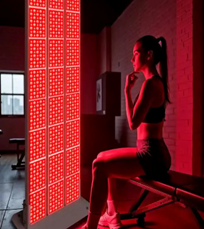
What Is Red Light Therapy?
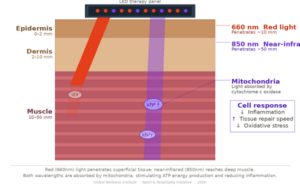
Red light therapy uses specific wavelengths of red and near-infrared light — typically 660nm (red) and 850nm (near-infrared) — to penetrate skin and muscle tissue at the cellular level. Unlike ultraviolet light, which can damage skin, these wavelengths interact with mitochondria, the energy-producing structures inside our cells, to stimulate healing and reduce inflammation.
“Red light therapy is no longer a fringe biohack. The science is catching up to the practice, and elite sports teams across every major league are taking notice.” — Recovery performance specialist, 2026
The mechanism is called photobiomodulation: light energy is converted into cellular energy, triggering a cascade of biological responses including increased ATP production, reduced oxidative stress, and modulation of inflammatory cytokines. In plain terms, cells work better and heal faster after red light exposure.
The Science Behind the Glow
How PBM works at the cellular level: 660nm red light penetrates superficial tissue while 850nm near-infrared reaches deep muscle. Both wavelengths are absorbed by mitochondria, stimulating ATP production and reducing inflammation.
.
The research base for PBM has grown substantially. Here are some of the key findings making waves in sports medicine:
- A study published in the Journal of Athletic Training found athletes who received red light therapy after eccentric exercise reported 47% less muscle soreness at 48 hours compared to a placebo control group.
- A 2021 systematic review in Lasers in Medical Science confirmed PBM consistently lowered creatine kinase (CK) — a protein released when muscle fibers break down — indicating measurably less overall muscle damage after sessions.
- A 2024 meta-analysis found photobiomodulation reduced inflammatory markers including CRP and IL-6 by up to 40% in controlled trials.
- A 2025 meta-analysis in Sports Health, examining data from 14 randomized controlled trials on professional soccer and volleyball players, demonstrated significant performance and recovery benefits.
- Research in the Journal of Biophotonics found athletes who used red light therapy before exercise increased muscle performance by 12% and showed 36% less muscle damage compared to controls.
Dr. Jeffrey Peng, MD, a board-certified sports medicine physician, notes that red light therapy has become one of the most discussed recovery modalities among athletes. The data on reducing delayed onset muscle soreness (DOMS) and accelerating tissue repair continues to strengthen with each passing year.
Who’s Using It — From the Elite Athletes
The list of elite athletes integrating red light therapy into their routines reads like a sports hall of fame:
- LeBron James: Widely cited as one of the most health-focused athletes in modern sport, James reportedly invests approximately $1.5 million annually in his biohacking regimen — a suite that includes red light therapy alongside cryotherapy, hyperbaric oxygen chambers, and sleep optimization. His goal is simple: play elite basketball well into his 40s.
- Justin Thomas: Turned to red light therapy as part of his recovery ecosystem, using panels at home as a key pillar of his training and recuperation routine — a practice highlighted in a recent Forbes personal wellness feature.
- Novak Djokovic: A 24-time Grand Slam winner and vocal champion of wellness science, Djokovic has taken his commitment to recovery technology to an entrepreneurial level. In 2026, he co-founded Regenesis, a biohacking wellness pod incorporating light and frequency therapy, infrared heat, PEMF, and aromatherapy — and entered a multi-year global wellness advisor partnership with Aman resorts.
Perhaps no testimony captures the real-world impact better than this reel from former NFL offensive tackle Jared Veldheer — a 6’8″, 321-pound veteran of 11 NFL seasons who used red light therapy both before and after games throughout his career
- Kelsey Mitchell: Olympic gold medalist (track cycling, Canada), Mitchell uses red light therapy specifically to accelerate recovery between intense sprint sessions, enabling back-to-back hard training days.
- David Taylor: Olympic wrestling gold medalist (USA), Taylor pairs cold plunge therapy with red light sessions to manage inflammation and sustain energy throughout competition cycles.
- Clemson Tigers: The Tigers football program added red light therapy to their recovery protocols — and went on to win a national championship. Collegiate programs everywhere are taking notice.
- Liberty Women’s Basketball: Skinletics partners with the New York Liberty’s training staff to support athlete recovery before and after games using red light therapy — bringing PBM directly into the workflow of one of the WNBA’s premier franchises. (instagram.com/reels/DBXOomfy0YF)
- Los Angeles Rams: An ongoing strategic partnership with BIOFLEX, a professional-grade red light therapy system provider, integrates PBM directly into the Rams’ elite training and performance management programs.
At the NFL level, trainers and performance staff at the 2025 NFL Draft extensively discussed PBM as a next frontier for collegiate and professional recovery programs. The Atlanta Falcons and Cleveland Browns are among teams publicly acknowledging red light therapy within their performance content.
What This Means for Hospitality & Wellness
Here’s where the GWI Sport & Hospitality Initiative’s mission becomes directly relevant. The technology and practices that professional teams develop and validate today become the wellness amenities that discerning guests — athletes, active travelers, and wellness seekers — expect tomorrow.
This is already happening:
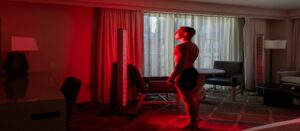
Hotel Commonwealth (Boston): As the official hotel of the Boston Red Sox, Hotel Commonwealth partnered with Clearlight to introduce in-room red light therapy as part of its Rekovery Session amenity suite — a program designed specifically for athletes competing in events like the Boston Marathon. It is one of the clearest examples of hospitality meeting elite athletic recovery head-on.
- Santa Monica Proper Hotel now offers private Recovery Suites bookable by guests, equipped with full-body red light therapy, cold plunges at varying temperatures, compression boots, and dry saunas — amenities once reserved exclusively for elite athletes.
- Luxury resorts and biohacking-focused hotels are introducing “biohacking suites” with red light therapy, cryotherapy chambers, hyperbaric oxygen therapy, PEMF, and infrared saunas — positioning these as core wellness experiences, not mere add-ons.
- The spa industry is rapidly integrating red light therapy into treatment menus. What began as a niche modality in biohacking clinics is now appearing in wellness-forward spas nationwide.
- The U.S. red light therapy bed market alone grew from $69 million in 2024 to a projected $84.7 million in 2025, with forecasts reaching nearly $200 million by 2033. That 11.2% compound annual growth rate signals both athlete adoption and mainstream consumer demand.
As the GWI’s 2026 Sport & Hospitality Trends report notes, professional teams now select hotels based on their wellness accommodations — quiet rooms, blackout drapes, circadian outdoor access, and recovery technology. Red light therapy is rapidly joining that checklist.
A Blueprint for Communities and Hospitality Providers
The GWI Sport & Hospitality Initiative exists to help communities and businesses act on exactly these kinds of trends — not just as amenities, but as genuine wellness infrastructure. Here’s what we encourage:
- For hotels and resorts: Consider adding red light therapy panels or recovery suites to your wellness offerings. These don’t require massive footprint — even a dedicated 10-by-12 foot recovery room can accommodate a full-panel system and deliver differentiated value to guests.
- For spas: Red light therapy is a natural add-on to massage, body treatments, and skin care menus. Sessions are quick (10-20 minutes), non-invasive, and require no downtime — ideal for the spa environment.
- For communities: Red light therapy doesn’t have to be a luxury-only amenity. As device costs fall, recovery centers affiliated with community sports programs, recreation centers, and collegiate athletic departments can bring this technology to everyday athletes and fitness enthusiasts.
- For athletic programs: Whether collegiate or recreational, building recovery into training culture — and giving athletes access to evidence-based tools like PBM — is part of the holistic athlete wellness blueprint that GWI champions.
The Bigger Picture: Wellness Through Sport
Red light therapy is one thread in a much larger tapestry. The GWI Sport & Hospitality Initiative’s mission is to empower communities with the tools and knowledge to bring wellness through sport to their towns — and to help the hospitality and spa industries serve athletes and active travelers better.
When a hotel installs a recovery suite, it signals that it understands athletes. When a spa adds photobiomodulation to its menu, it extends elite recovery science to every guest. When a community recreation center invests in accessible recovery technology, it removes barriers to wellness participation.
Recovery is no longer passive. It’s intentional, science-backed, and it’s the new frontier of athletic performance — and wellness travel.
The light, quite literally, is on. And the hospitality and wellness sectors that tune into its wavelength will be well positioned for the decade ahead.
Resources & Further Reading
Forbes Personal Shopper: “Shop Like Justin Thomas” (April 2026) — https://www.forbes.com/sites/forbes-personal-shopper/2026/04/10/shop-like-justin-thomas/
Spa Business / Health Club Management: “Novak Djokovic launches Regenesis immersive pod” (March 2026)
PlatinumLED Therapy Lights: “Red Light Therapy for Athletes” — athlete case studies including LeBron James and Kelsey Mitchell
National Law Review: “As the NFL Draft Visits Pittsburgh, Trainers Discover Red Light Therapy” (April 2026)
BIOFLEX / Los Angeles Rams: Strategic Partnership Announcement (May 2025)
Hotels Mag: “How Wellness Is Helping Reshape the Luxury Hotel Experience” (July 2025)
Proper Hotel: Summer Wellness Travel Guide (2026)
Journal of Athletic Training: Photobiomodulation and DOMS reduction (47% reduction at 48 hours)
Lasers in Medical Science: Systematic review on PBM and creatine kinase reduction (2021)
Sports Health: Meta-analysis on professional soccer and volleyball athletes (2025)
Luxury Wellness Store: Full-Body Red Light Therapy Beds Buyer’s Guide 2026 — U.S. market size data
Global Wellness Institute: Sport & Hospitality Initiative Trends for 2026 — https://globalwellnessinstitute.org/global-wellness-institute-blog/2026/04/07/sport-and-hospitality-initiative-trends-for-2026/
About the Author
Cheryl M. Hardy serves on the Global Wellness Institute’s Sport & Hospitality Initiative Task Force. She is Chief Operating Officer of Medical iSight, with a focus on healthcare and wellness innovation.