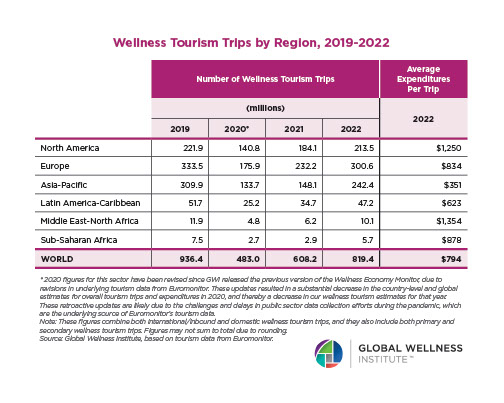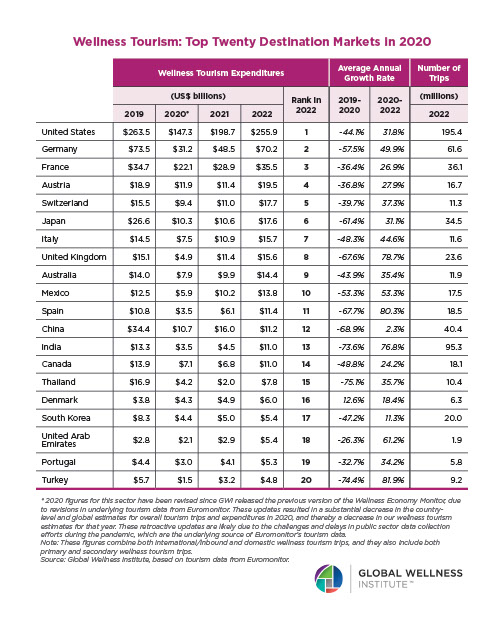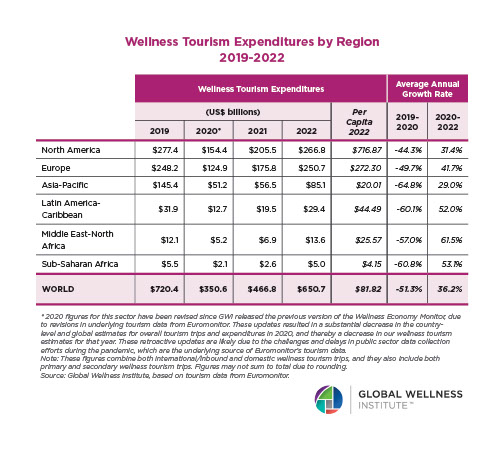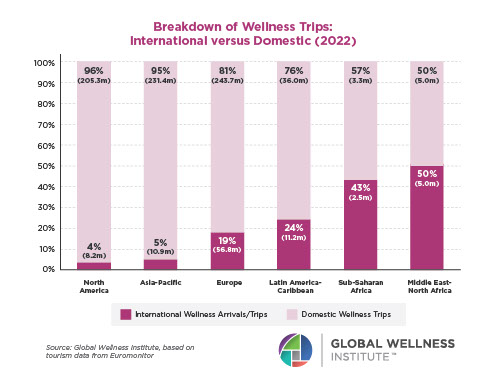

Overtourism Hurts Wellbeing, Even Impacting Wellness Destinations. We Need to Think Like Japan
By Thierry Malleret, economist
A WELLNESS CRISIS TO ADDRESS: OVERTOURISM AND RESILIENCE
Overtourism undermines wellness in multiple ways : 1) it affects our individual wellbeing (crowding, noise, “place alienation,” and stress), 2) it negatively impacts the wellness of our planet (pollution, emissions, degradation of ecosystems ) and (3) it threatens the financial and overall wellbeing of residents (precarious work, rising costs and rents, and ultimately hurting social cohesion––a major determinant of wellbeing).
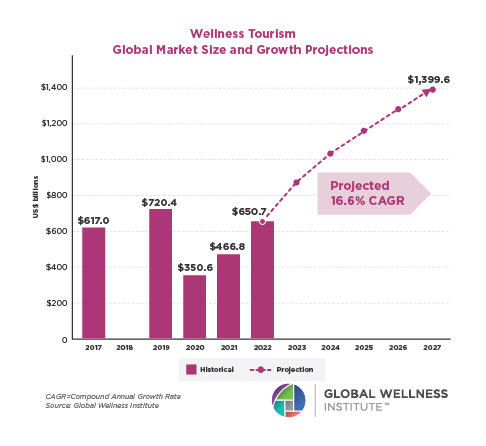
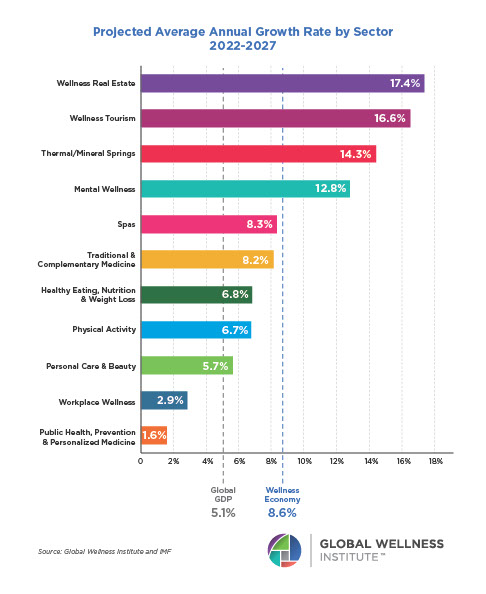
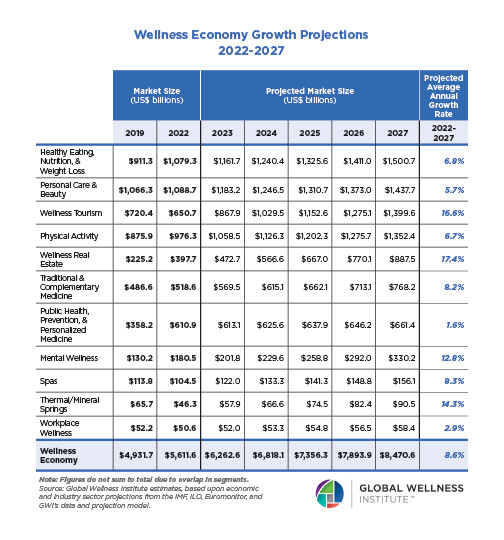
In that sense, overtourism destroys the very conditions that make wellness possible. Accordingly, success in wellness tourism can paradoxically become self-defeating if it destroys the wellness appeal and benefits of a particular destination. What to do? The necessity to be agile and capable of adapting is what currently underpins the fusion of wellness tourism with other forms of tourism.
In reaction to wellness tourism burnout (like in Chamonix Mont-Blanc, the over-touristy mountain resort where I live), wellness tourists increasingly turn to “slow tourism” and regenerative tourism (i.e.: leaving the place better than before). Both are growing very rapidly at double-digit rates, particularly among high-end travellers and Gen Z who’ve always favoured “meaningful experiences” above the rest. But these movements still remain at the margins: mass tourism still overwhelmingly dominates. The direction of travel is clear and the trend is strong: for wellness destinations it will become harder to brand themselves positively if they do not go beyond sustainability by aiming to restore ecosystems and local communities. There is no other way to break the overtourism doom loop.
YOU WANT TO MANAGE OVERTOURISM? DO LIKE JAPAN
Japan is notoriously over-touristed, a phenomenon known to negatively impact the wellbeing of both the locals and the tourists (through “tourism fatigue”: a combination of reduced life satisfaction, resentment and burnout). But surprisingly the Japanese authorities want to attract more visitors: from 47 million this year to 60 million in 2030, while reducing the perception of overtourism through a creative mix of pricing, restrictions, tech and redistribution.
Their multifaceted strategy involves the following:
1) Pricing used as a nudge to encourage longer, higher-value tourism while reducing short, high-negative impact visits (two-tier pricing, accommodation taxes reinvested in heritage protection, etc.).
2) Access restriction or limitations in overcrowded areas (daily caps for Mount Fuji, no photos in some parts of Kyoto, mandatory reservations for some sites, etc.).
3) Active use of AI to spread crowds and reduce congestion.
4) Educating tourists through campaigns that encourage respectful behavior and punishment via fines disrespectful behavior (drunkenness, geisha harassment, etc.).
5) Incentivizing tourists to travel beyond the hotspots in less-touristy places that can be equally appealing but are less well known and thus less travelled.
What makes this strategy appealing is its multifaceted approach (there is no silver bullet solution capable of addressing the issue of overtourism). Surely Japan’s holistic approach to the problem will be emulated elsewhere.