Two people go to the gym. It’s the same routine: the same 45 minutes, the usual 15 reps of everything. One grits her teeth through it, watches the clock, and treats the hour like the longest part of her day, but tells herself, “you have to do what you have to do.” The other is really enjoying herself. You might catch her smiling between reps. Ask most people whether that difference in attitude matters, and most would probably say no, after all, it’s just the physical movement that counts toward burning calories and staying fit.

You might be surprised to learn that isn’t true, and there’s a study that makes the point. In 2007, Harvard researchers studied 84 hotel housekeepers. Half of them were told, accurately, that their daily work already met the physical activity guidelines for a healthy lifestyle, in other words, that just by doing their regular work, they were meeting the requirements for a healthy life. The other half was told nothing.
In four weeks, the group that had been told they were meeting healthy lifestyle requirements had dropped blood pressure by nearly 10%, lost weight, and improved their body fat percentage (1). The other half, the control group who weren’t told anything, did not. The only thing that changed was what they believed about the way they were moving. Nobody changed what they were doing, and nobody moved differently, but their bodies responded anyway, simply because of what they’d been told to believe.
An Ancient Head Start on a Modern Finding
Indonesia’s wellness tradition figured this out a thousand years before Harvard did. One reading of where the word “jamu” comes from traces back to a concept called jampi oesodo: jampi meaning an incantation, or well-wishing, and oesodo meaning health. Together, roughly, “a prayer, or well wishes, for eternal health.” Baked into that phrase is a belief that intention, whatever the mind sincerely means while it’s doing something, has a real effect on the outcome (2).
I’ve said many times, and explained in my book The Jamu Lifestyle, that jamu made with the intention to heal feels better than jamu made without it, the same way a bowl of chicken soup made by someone who loves you can taste better than the fancier version you’d buy at a store or restaurant (3). It lands differently when the person eating it appreciates, and therefore enjoys, the homemade version more. (If you’re as old as I am, you’ll remember Campbell’s leaning on exactly this idea in their chicken soup ads back in the ’80s.)
Joy as the Point, Not the Bonus
And where there’s enjoyment, joy tends to follow close behind, and that may matter more than we give it credit for. A 2014 study on heart surgery patients found something remarkable: people who went in with a more optimistic outlook, measured weeks before they were ever on the operating table, came out the other side with less pain and fewer physical complications than those who didn’t, even after researchers accounted for how serious each surgery was (4). The body doesn’t only feel better when the mind is in a good place. It seems to recover better, too.
The word gembira, which means “joy” in Indonesian, isn’t treated as a bonus emotion layered on top of a wellness tradition. It’s integral to what wellness means (3). If your mindset holds a positive intention toward something, an enjoyable reaction often follows, and with that comes joy.
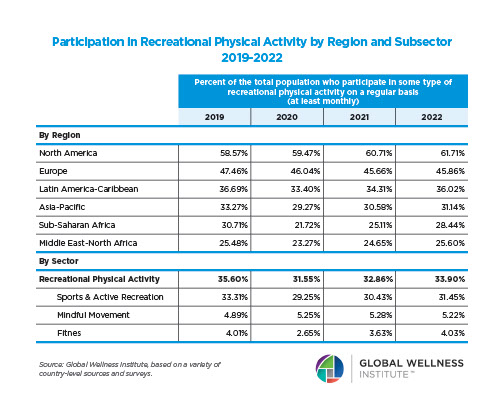
A 2022 study on exercise found that enjoyment was one of the strongest predictors of whether people actually stuck with a habit, kept showing up, kept going (5). Motivation built on guilt or obligation works, but usually only for as long as the guilt or obligation hasn’t worn you down. Motivation built on something you actually want to do tends to outlast the willpower that kicked it off in the first place (6). Which makes me think joy isn’t just the reward you get from a healthy habit. It’s probably why the habit sticks in the first place.
What This Means for Your Skin
This applies to how you take care of your skin, too. Psychological stress sets off a chain that ends with elevated cortisol inside the skin itself, which weakens the barrier that keeps moisture in and irritation out (7). A beauty ritual rushed through with resentment, or a “let’s get this over with” attitude, and a ritual that feels joyful and positive: are those really just two moods wrapped around the same action, yielding the same results? Enjoying and leaning into your skincare routine doesn’t only help your skin physiologically; it also increases the odds you’ll stick with it and keep repeating it, a virtuous cycle.
This is part of why, when I started JUARA, I cared as much about how a formula feels and smells on contact as I did about what’s in it. From the second a product meets your skin to the moment you’re done applying it, I wanted the ritual to feel like something you want to be doing, something you’d actually miss if you skipped it. Not because skipping it would feel like breaking a rule, but because it’s a small, self-nourishing moment you’d be giving up. That’s jampi oesodo, built into a jar, tube, or bottle, in my mind at least. A self-care journey works better when it’s held in a mindset of enjoyment. How you think matters, and it can shape real results, physically and emotionally.
The Active Ingredient Is Your Mindset
Here’s a suggestion I give: the next time you reach for your evening skincare ritual (the cleansing, the moisturizing, those few moments with your own hands on your own skin), try to appreciate the moment for what it is: washing off what the day left behind, and putting something nourishing back in its place. Maybe even fit in a small face massage, a reminder that you’re investing in your own mental and physical health.
The research is only now catching up to what the tradition already knew; how you meet a practice shapes what the practice gives back, something the Indonesian tradition has known that for a thousand years.
References
- Crum, A., & Langer, E. (2007). Mind-set matters: Exercise and the placebo effect. Psychological Science. Summary via ScienceDaily.
- Jampi Usodo. Aikon.org.
- Jamu is the Indonesian healing practice that harnesses positive thought. Bustle.
- Ronaldson, A., Poole, L., Kidd, T., Leigh, E., Jahangiri, M., & Steptoe, A. (2014). Optimism measured pre-operatively is associated with reduced pain intensity and physical symptom reporting after coronary artery bypass graft surgery. Journal of Psychosomatic Research. Link.
- Enjoyment as a predictor of exercise habit, intention to continue exercising, and exercise frequency (2022). Frontiers in Psychology. Link.
- Deci, E. L., & Ryan, R. M. Self-determination theory.
- Psychological stress deteriorates skin barrier function (2018). Scientific Reports (Nature). Link.
Metta Murdaya is the author of the award-winning book Jamu Lifestyle: Indonesian Herbal Wellness Tradition, founder of JUARA Skincare, a beauty & wellness brand based on Indonesian health tradition called Jamu. She is a committee member of the Global Wellness Institute Aesthetic Health Initiative, and a global speaker on integrative beauty and wellness. Drawing on her bicultural roots in Indonesia and New York, she blends traditional healing with modern science, offering fresh perspectives on holistic health.