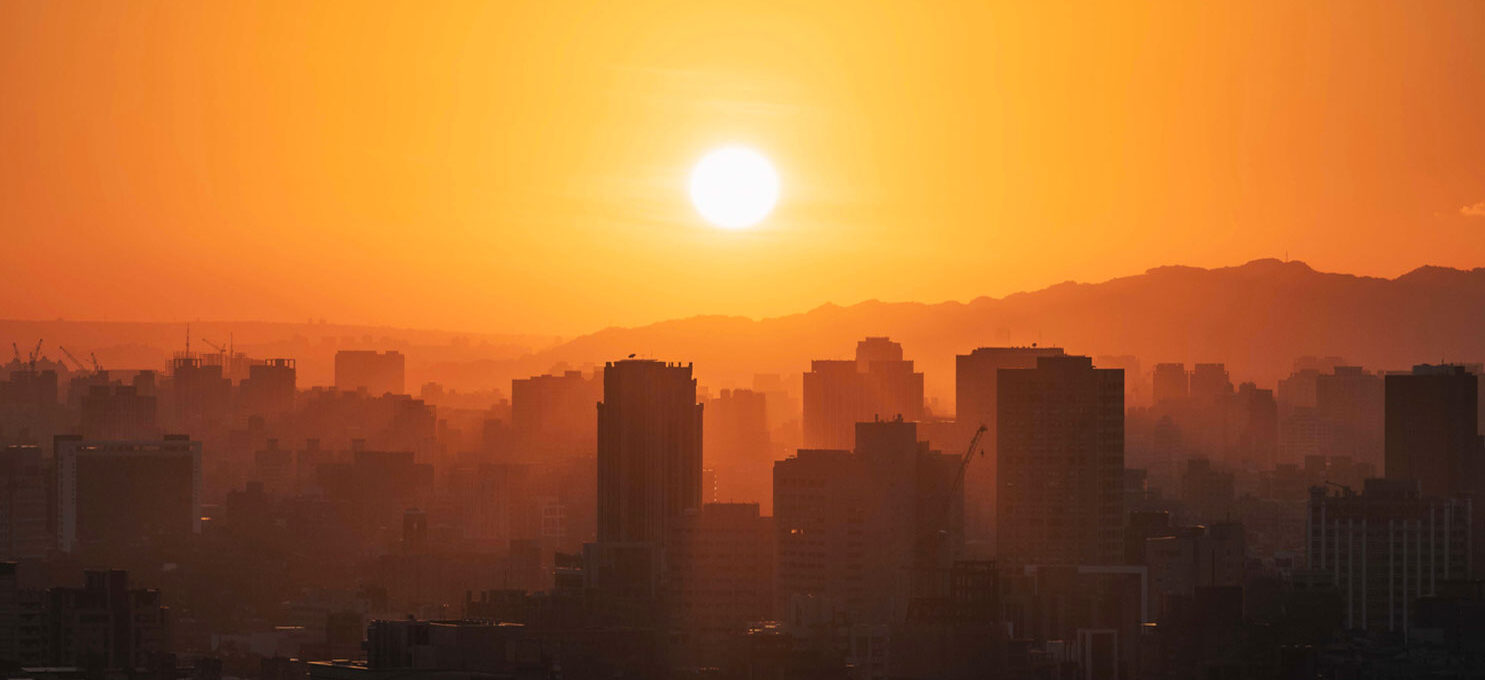
The Impact of Extreme Heat on the Wellness Industry: The Winners and Losers
By Thierry Malleret, economist
THE RISING FISCAL COST OF EXTREME WEATHER EVENTS
The relentless sequence of heat waves in Europe makes it plain: extreme weather events are becoming a structural fiscal issue. At the beginning of August, the direct cost of the wildfires in the five worst-hit European countries had already surpassed nearly $3.5 billion, a burden mostly borne by the state, which acts as an insurer of last resort. This creates a possible climate-sovereign doom-loop: the rising costs caused by the climate erode sovereign creditworthiness, which in turn constrains the fiscal capacity to invest in adaptation and mitigation, which in turn entails ever-greater costs in the future. A recent IMF paper suggests that a 1-percentage-point increase in climate-disaster losses as a share of GDP raises the odds of sovereign default by approximately 2–3%. The bottom line: greater climate vulnerability significantly increases sovereign-default probability.
THE IMPACT ON THE WELLNESS INDUSTRY: THE WINNERS AND LOSERS
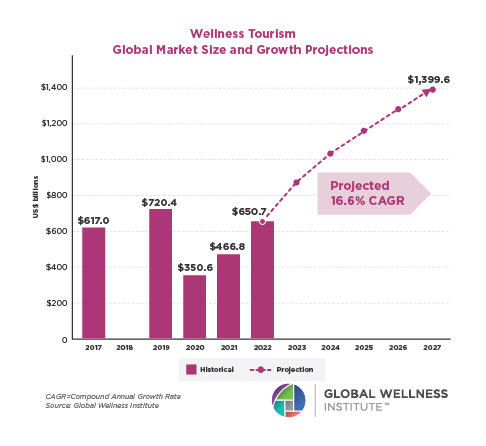
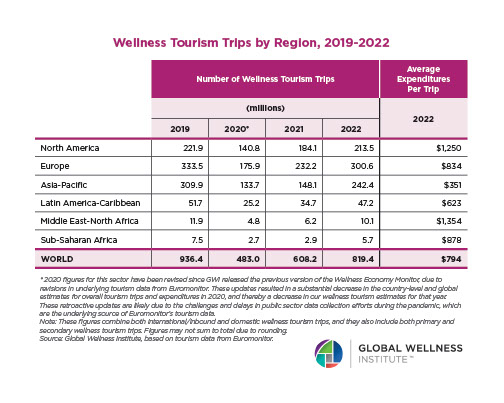
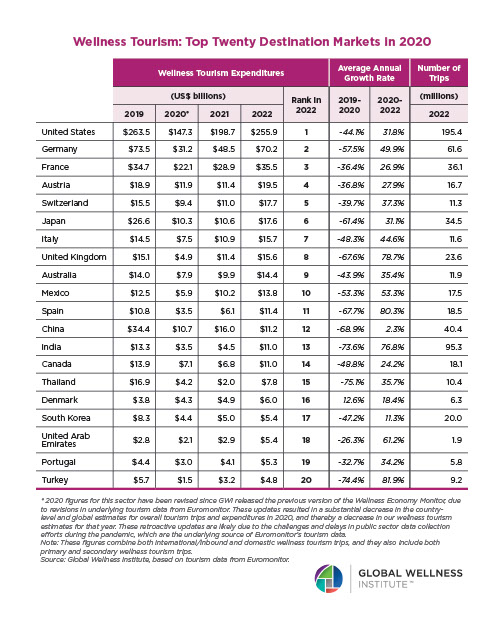
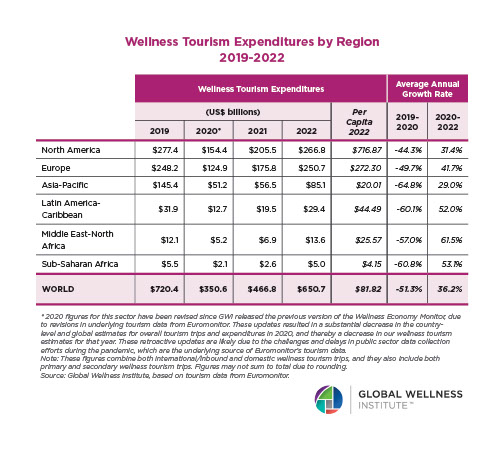
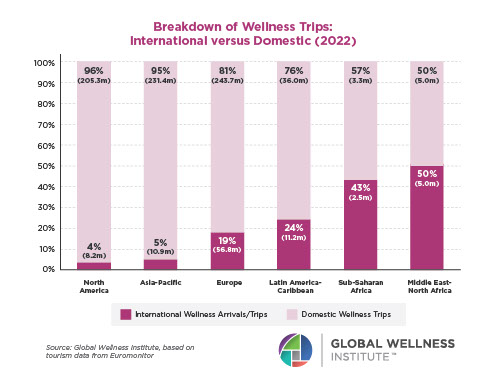
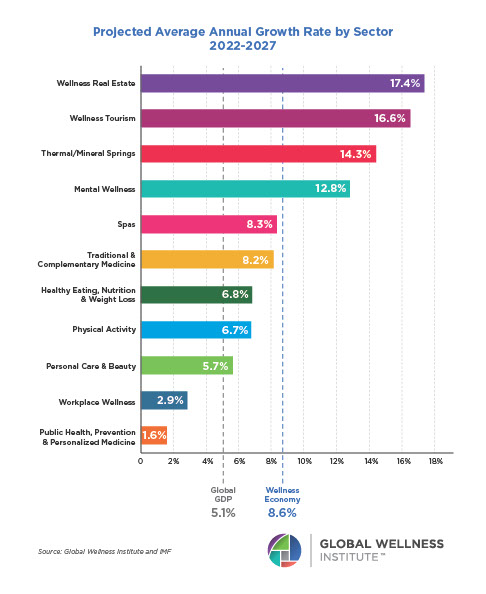
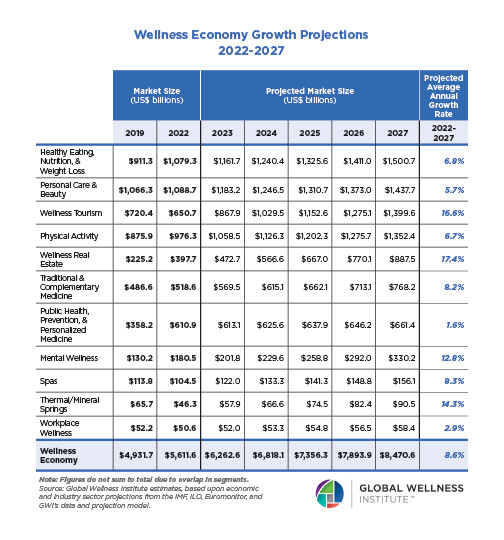
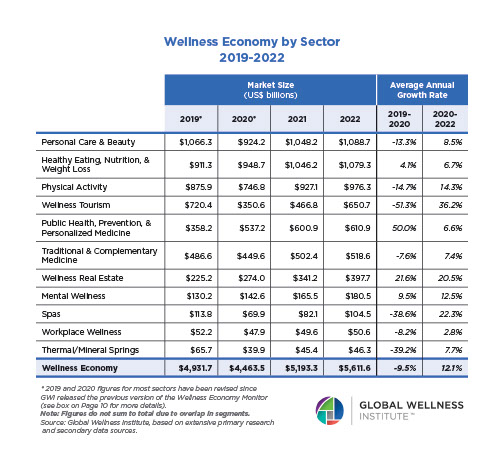
We have recently been calling attention to how extreme heat will become a primary issue for the wellness industry, but we really cannot stress it enough. It will be a source of both competitive advantage and disadvantage. And at this juncture, it’s hard to tell whether the aggregate effect for the industry will be a net positive or a net negative, but most likely the former will prevail.
In short, the winners will be:
1) Nature as a whole and nature-based wellness: the mountains, the forests, the sea (in temperate locations), plus all nature-based destinations located in temperate climates
2) Preventive health with a focus on cooling technologies, from hydration to sleep
3) New wearables which will act as a warning device
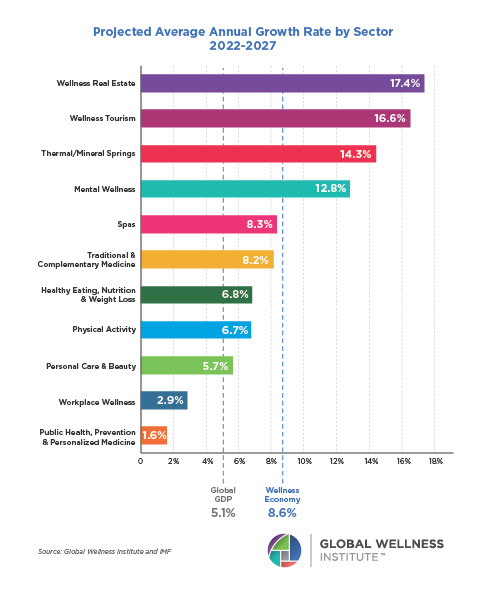
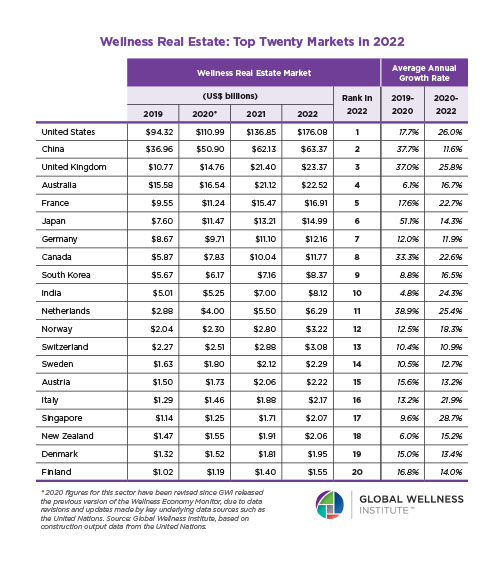
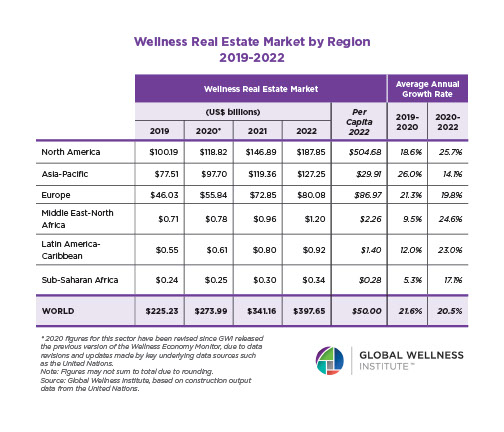
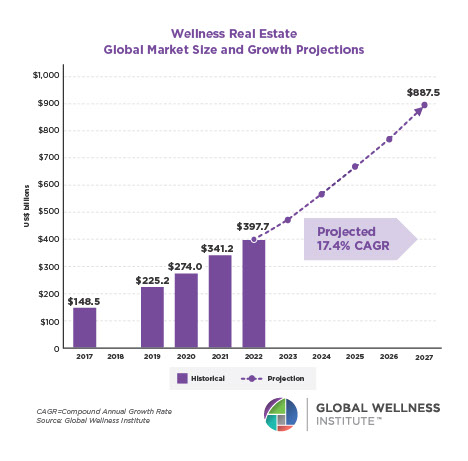
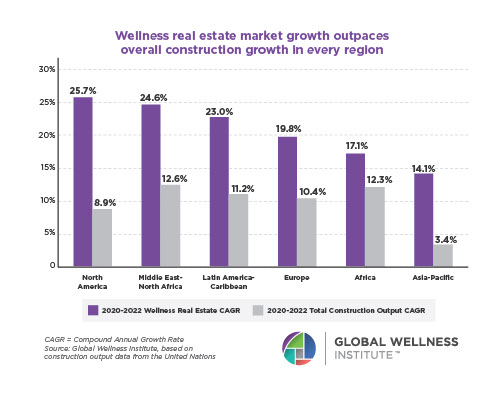
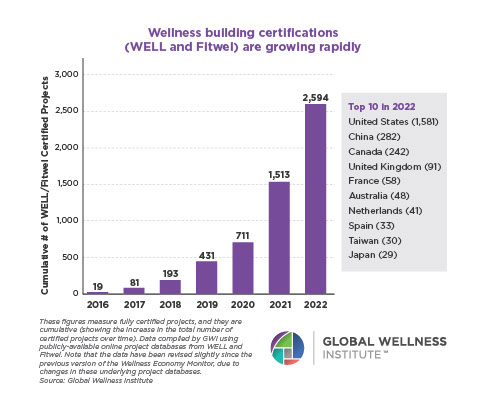
4) Wellness real estate with a powerful focus on climate adaptation and resilience
The losers:
1) Most hot-weather summer destinations in the northern hemisphere, plus activities and destinations susceptible to extreme-heat repeated occurrences
2) All wellness facilities and infrastructure poorly adapted to extreme heat
3) Water-intensive wellness facilities and real estate.
A general remark: climate and extreme heat adaptation will increase the cost of doing business.