The American College of Physicians just issued new guidelines for lower back pain: try safe alternative approaches like acupuncture, massage, exercise, tai chi, heat wraps or mindfulness/yoga first – and prescription drugs only as the last resort. As NBC News reported, it may represent a big change for doctors, who often turn to pills first to treat pain.
New Study: Chronic Stress Associated with Higher Levels of Obesity
A new study from University College London compared stress levels and body weight (for over 2,500 men and women), and found that higher levels of the stress hormone cortisol were associated with significantly higher levels of obesity/being overweight. The study was notable for testing cortisol levels in the hair (not in the blood or saliva, which vary during times of day), so it better captured the impact of long-term stress levels on weight.
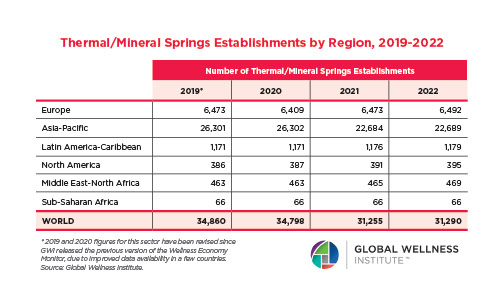
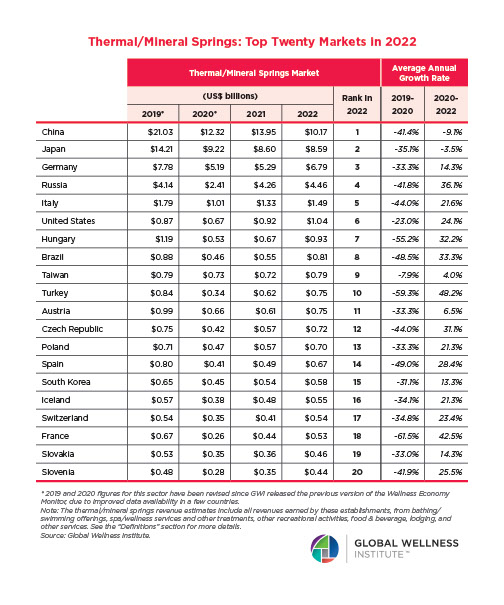
Wellness Evidence: Hot Springs Found to Relieve Chronic Pain, Depression and Insomnia
A just-released study from Australia’s RMIT University (surveying 4,000+ hot springs users) found that bathing in hot springs provided significant relief for severe back pain, arthritis, injury, chronic pain, depression, anxiety and insomnia.
Study: One Week at Wellness Retreat Results in Health Improvements
Wellness retreats use many complementary, holistic therapies, yet there have been no published studies on the health outcomes on wellness tourists that experience these immersive environments. A new study from Australia’s RMIT University represents the first, measuring multiple health/wellbeing dimensions of guests at arrival, on departure and six weeks later. The findings: a one-week retreat including educational, therapeutic, and leisure activities and an organic, mostly plant-based diet resulted in substantial improvements in everything from weight to blood pressure to psychological health – and sustained at six weeks.
New Study: Time in Saunas Reduces Risk of Alzheimer’s and Dementia
A new study from the University of Eastern Finland (tracking men’s health over 20 years) found that those who used a sauna four to seven times a week had a 66-percent lower risk for dementia and a 65-percent lower risk for Alzheimer’s disease. The medical researchers hypothesized that sauna bathing reduces inflammation and blood pressure and improves vascular function.
Study: Acupuncture, Yoga, Massage and Tai Chi Show Evidence for Pain Management
A new review of clinical trials from 1966-2016, published in Mayo Clinic Proceedings, shows that a variety of complementary health approaches, including acupuncture, yoga, massage, tai chi and meditation hold promise for managing various types of pain.
READ MORE at WellnessEvidence.com