New GWI Real Estate Data and GCC Case Studies to Be Unveiled at the GWS Symposium
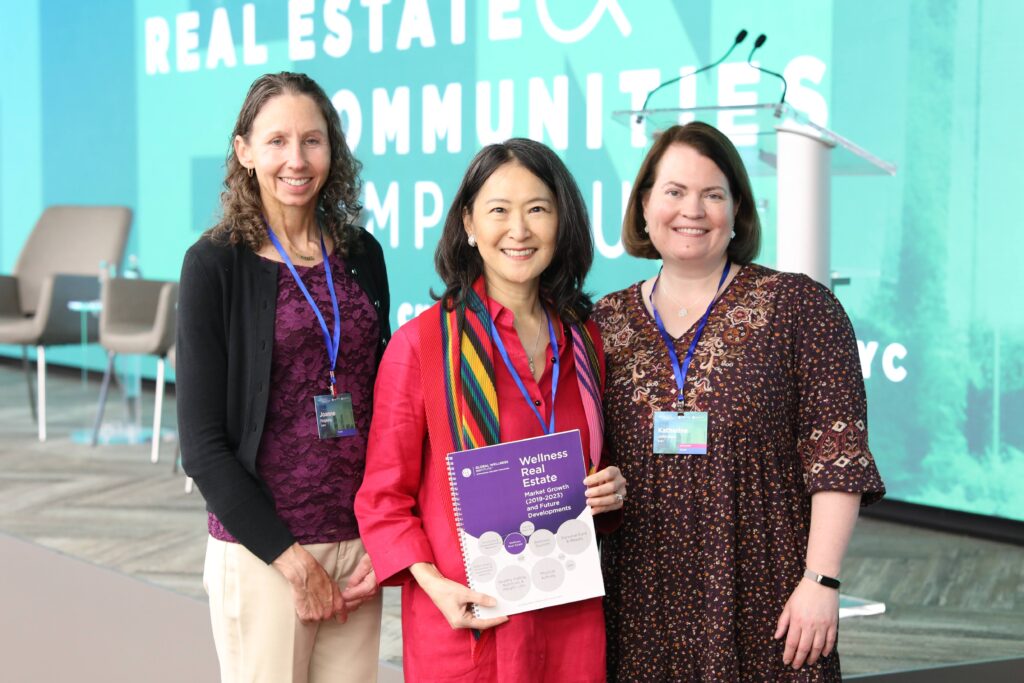
At the Global Wellness Summit’s Wellness Real Estate & Communities Symposium in NYC on May 12, two of the industry’s leading researchers—GWI Research Fellows Katherine Johnston and Ophelia Yeung—will present new data and insights on one of the fastest-growing sectors in the global wellness economy: wellness real estate.
Their session will offer an early look at the latest market sizing and trends ahead of the forthcoming 2026 Global Wellness Economy report, alongside the presentation of Build Well to Live Well: Case Studies, Volume 2—a new collection of projects redefining what wellness real estate looks like at scale.
A Sector Moving from Niche to Global Force
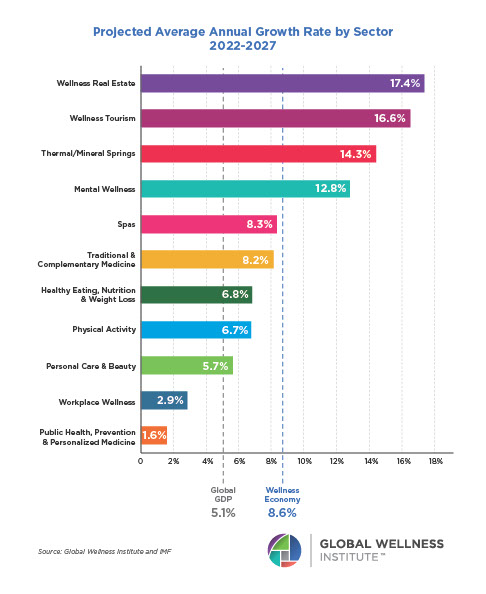
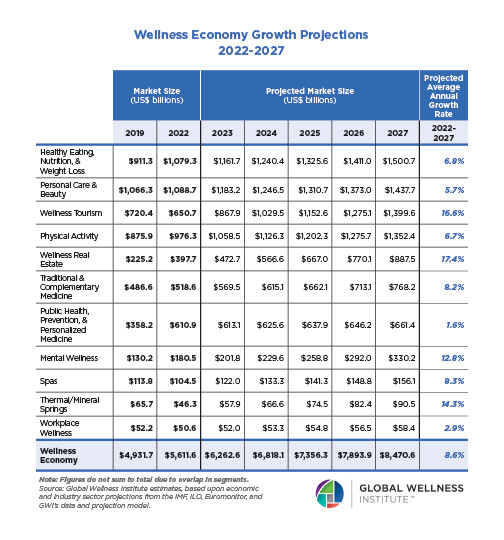
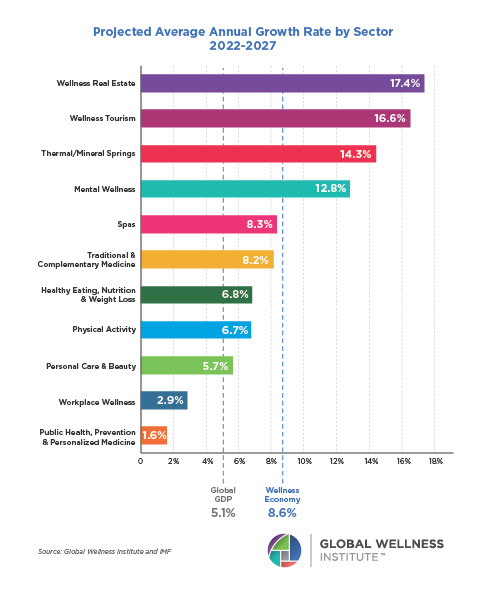
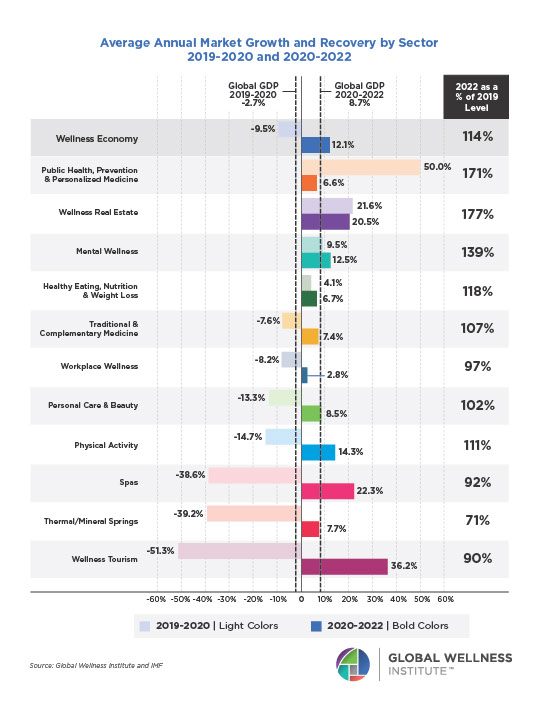
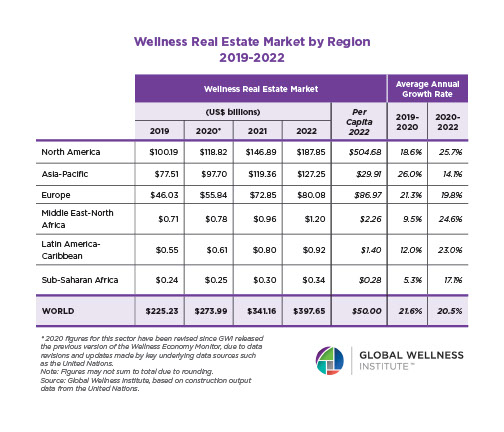
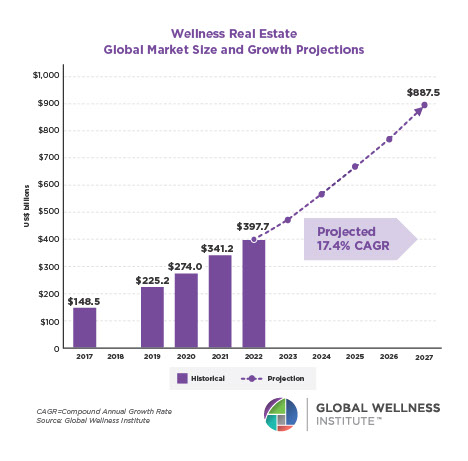
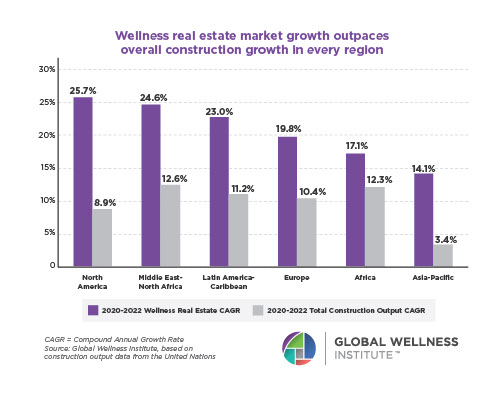
Since the Global Wellness Institute first defined and quantified wellness real estate in its landmark 2018 report, the category has rapidly evolved from a niche concept into a major global growth sector. Today, it represents the fastest-growing segment within the wellness economy.
Yet misconceptions remain.
Wellness real estate is still often associated with luxury developments or add-on amenities. In reality, the opportunity is far broader: to embed health, wellbeing, and quality of life into the very fabric of homes, communities, and cities—at every scale and across diverse populations.
GWI’s latest research continues to expand this definition, offering a clearer picture of where the market is today—and where it is headed next.
New Data, Ahead of the Curve
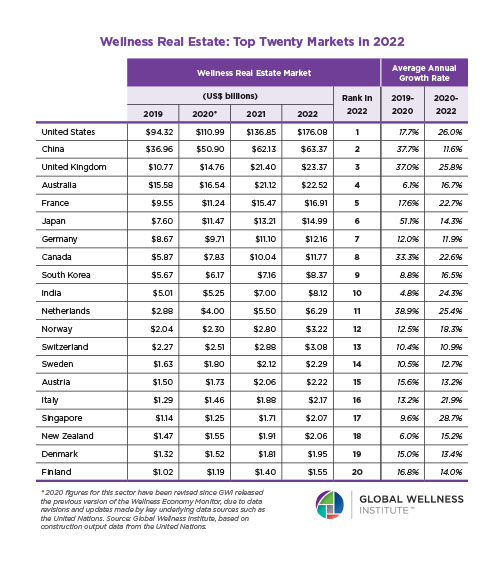
At the Symposium, attendees will get a first look at updated figures for the global wellness real estate sector, offering a preview of what will be formally released in the 2026 Global Wellness Economy report.
This early data provides more than just numbers. It reflects shifting demand, new investment patterns, and the increasing integration of wellness into mainstream development strategies.
For developers, investors, and operators, it’s a rare opportunity to understand the trajectory of the market before the full report is published.
Inside the Next Wave of Global Projects
The session will also spotlight Build Well to Live Well: Case Studies, Volume 2, with a focus on ambitious projects across the Middle East.
Drawing from recent, on-the-ground research visits by GWI Fellows to the Saudi Arabia Red Sea Coast, Riyadh, Dubai, and Abu Dhabi, the report highlights developments that are pushing the boundaries of what wellness real estate can achieve.
These projects demonstrate how wellness can be integrated at scale—linking human health with sustainability, inclusivity, accessibility, economic development, and cultural relevance.
They also challenge the idea that wellness real estate is limited to a certain type of buyer or property. Instead, they show how it can be applied across entire communities and regions.
Preparing for What Comes Next
The broader aim of the Build Well to Live Well research series is to help the industry prepare for the future: one where wellness real estate is not a niche offering, but a standard approach to development.
That future includes projects of all sizes, price points, and geographies—designed to meet the needs of diverse populations while delivering measurable benefits to health and wellbeing.
GWI’s Research Fellow’s presentation will bring clarity to that vision, grounded in data, real-world examples, and years of research.
Join us May 12 in New York City for the Wellness Real Estate & Communities Symposium.
Build Well To Live Well Case Studies, Volume 2 will showcase some of the most exciting, ambitious, and impactful wellness real estate projects in the Middle East, drawing from the most recent visits by GWI researchers on the Saudi Arabia Red Sea Coast, Riyadh, Dubai, and Abu Dhabi. These case studies will demonstrate how wellness real estate projects can be implemented on the largest scale, integrating human health with sustainability, inclusivity, accessibility, economic development, and culture relevance.
REPORT COMING SOON!