
Wellness Investment Is Accelerating, But Beware a Longevity Bubble and Backlash
By Thierry Malleret, economist
With GWI’s new data on the $7.5 trillion wellness economy, and after taking in the conversations at the recent Global Wellness Summit in Thailand, Malleret reflects broadly on the state of the wellness market. He notes that, except for AI, no other segment of the economy is growing at such an astonishing pace, even though wellness remains an elusive “market”—neither an asset class nor a real industry. But, he argues, wellness will become embedded in an ever-wider range of industries, including automotive and aviation. While health and wellness deals got significantly larger in 2025, he warns of a potential bubble emerging in the current investment obsession with longevity. He points to signs that too many private investors are simply following others into the space, without knowledge of the actual science behind longevity, as well as a rising cultural backlash against an industry that capitalizes on people’s fears in order “to sell them products they don’t need, or that don’t work.”
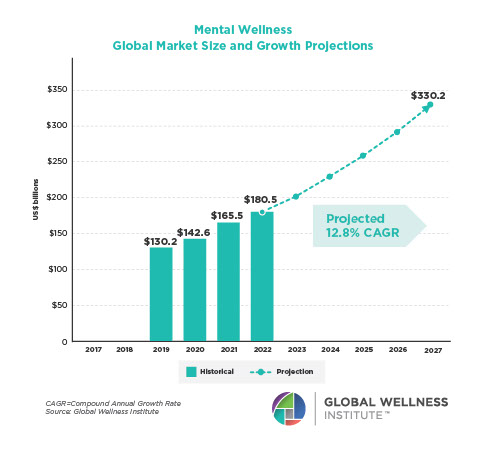
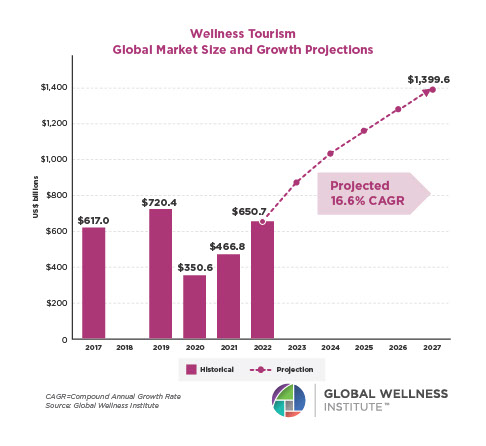
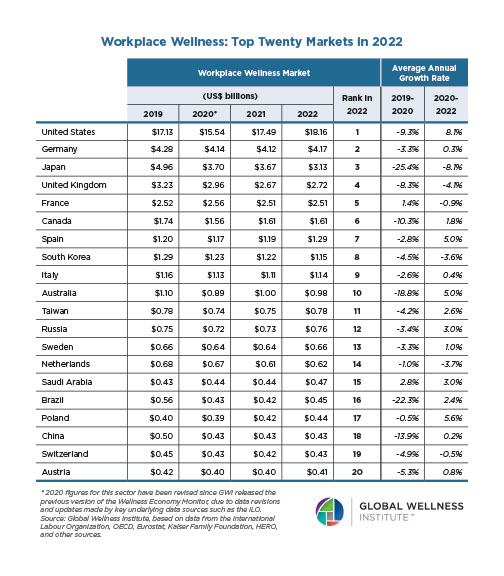
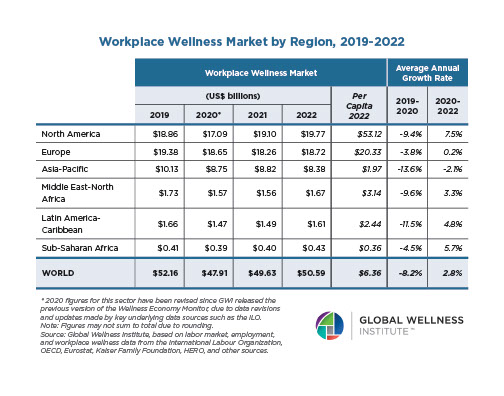
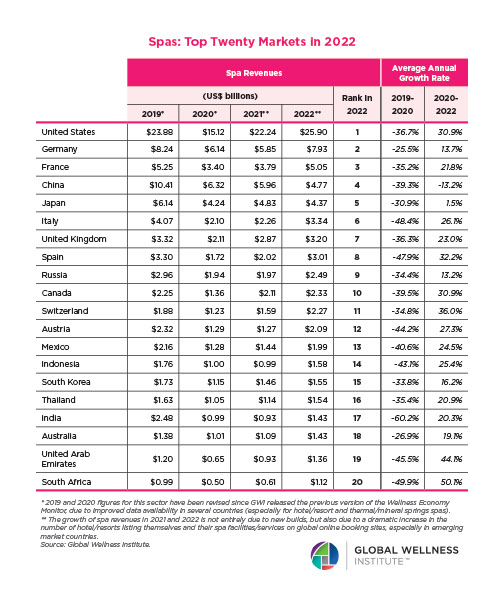
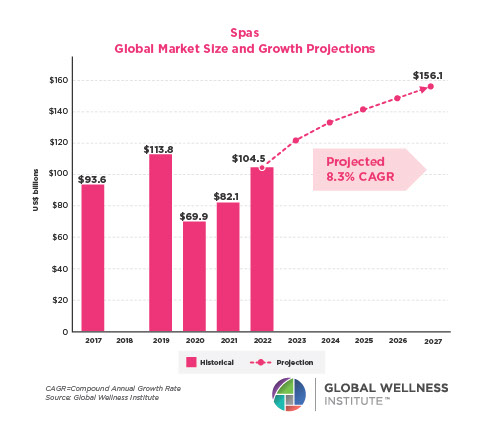
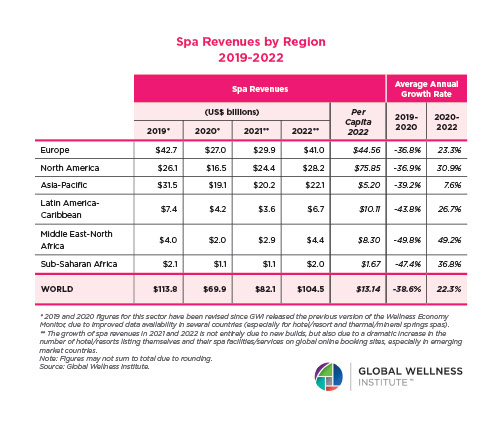
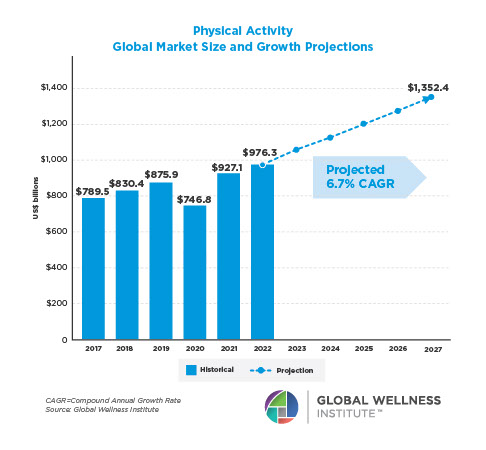
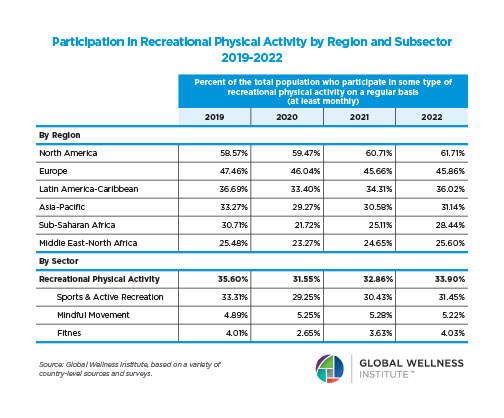
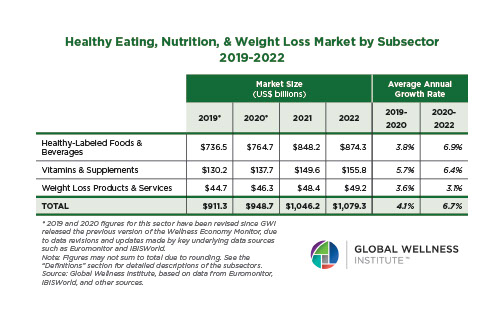
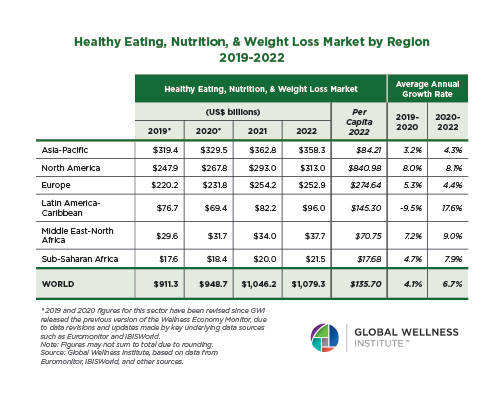
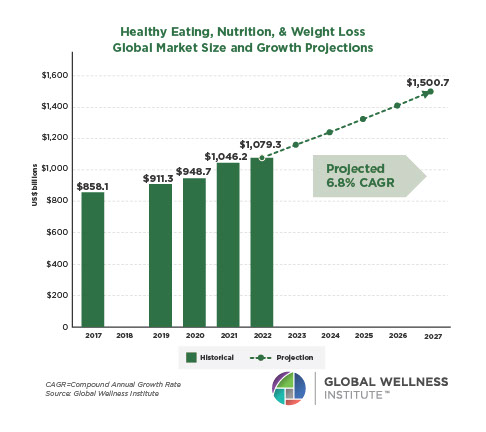
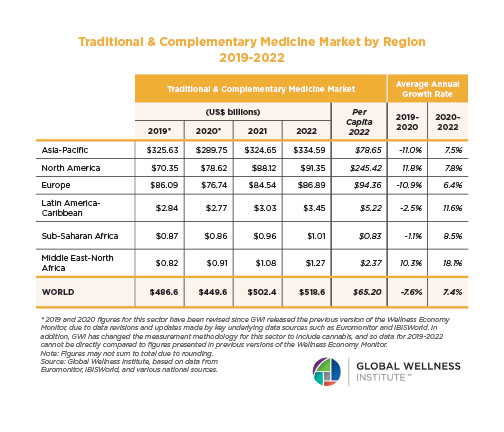
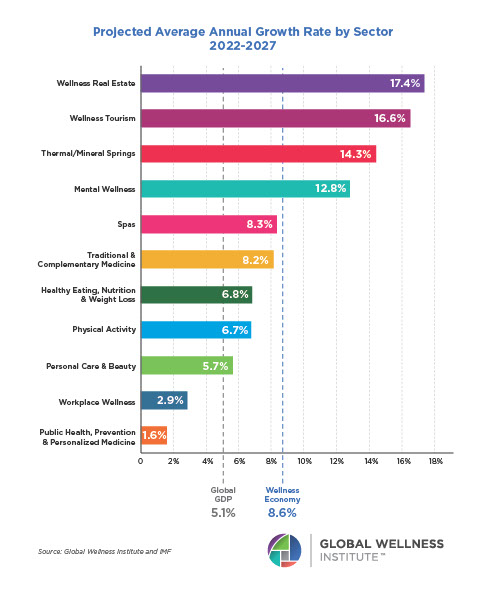
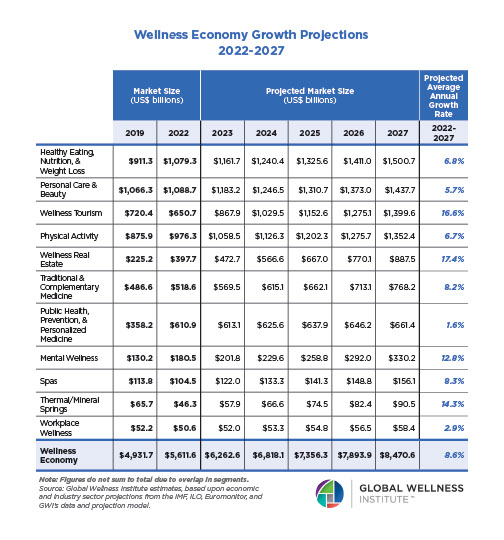
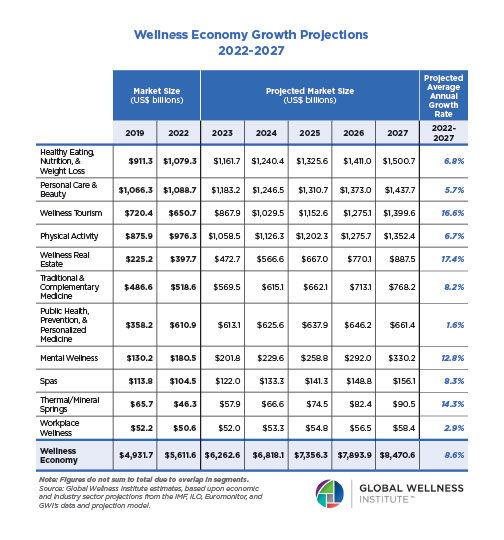
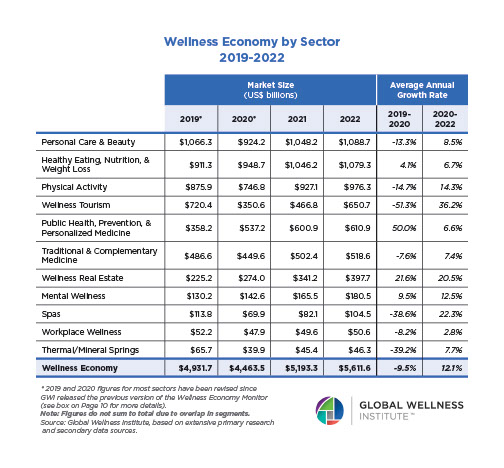
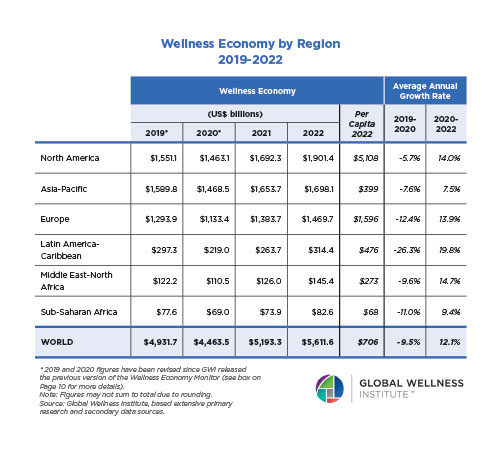
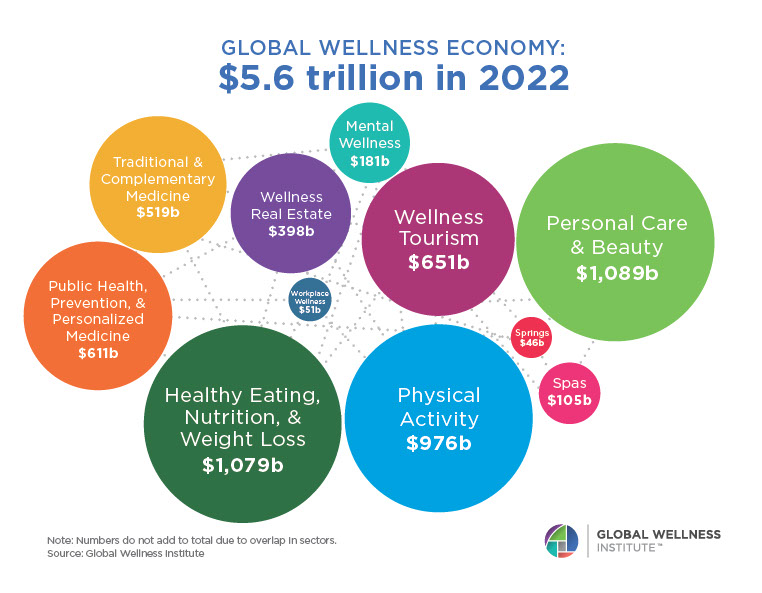
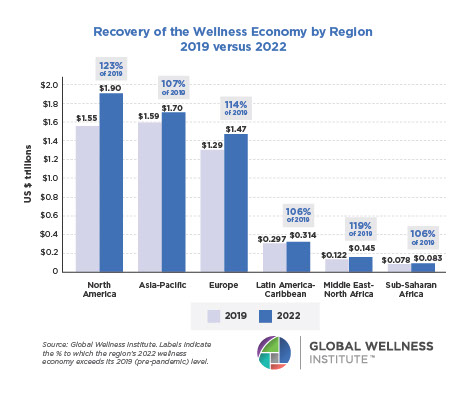
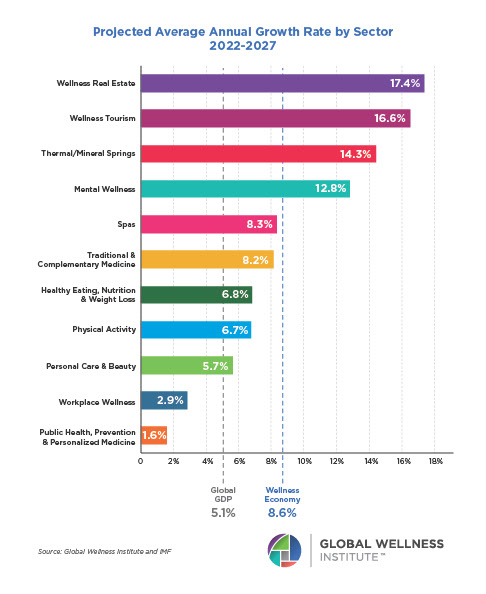
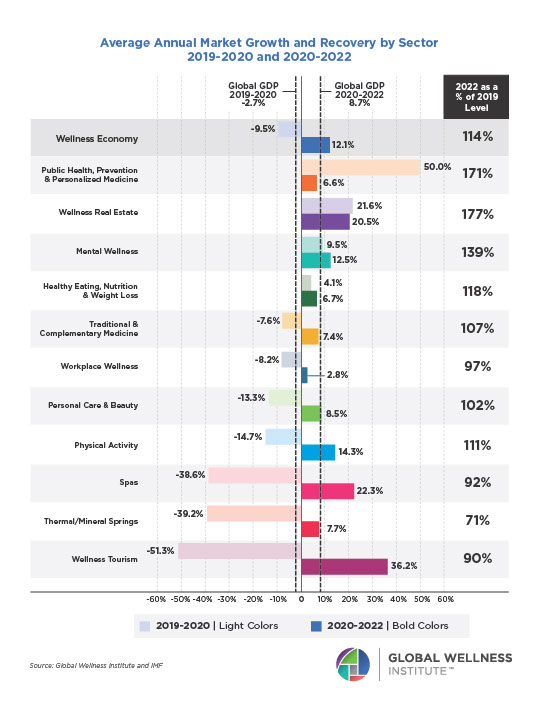
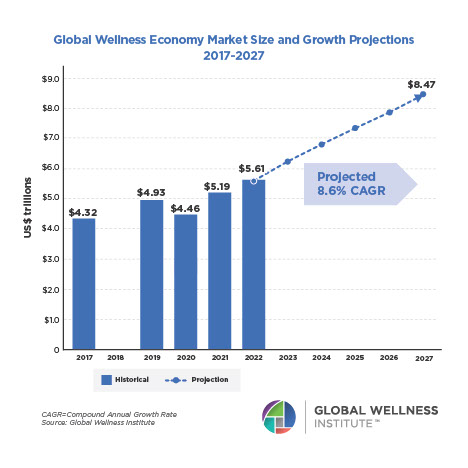
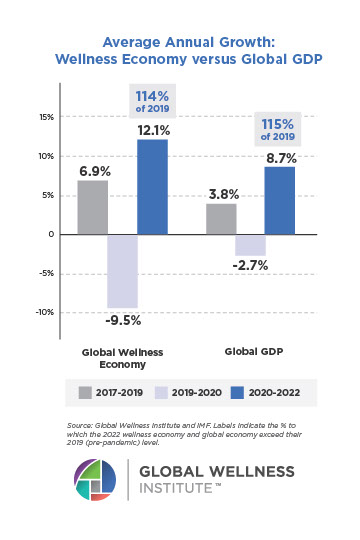
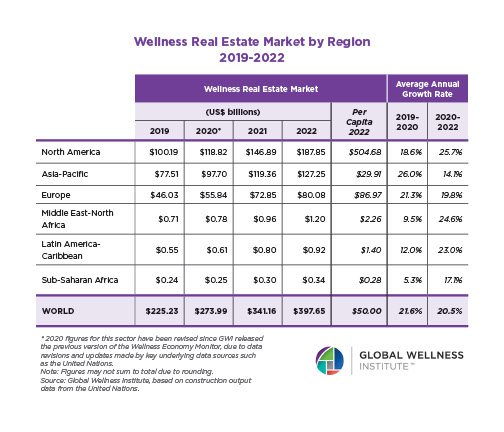
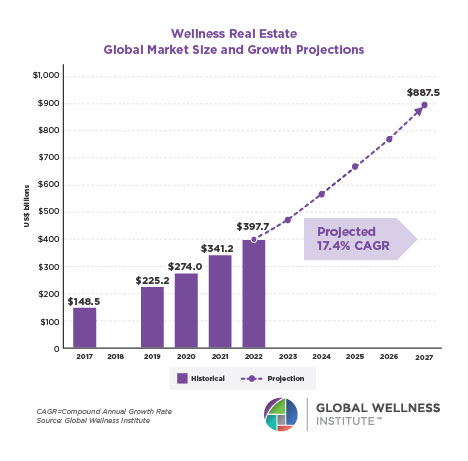
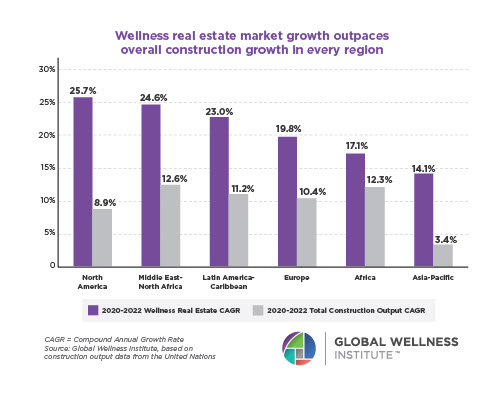
THE EVER-EXPANDING WELLNESS ECONOMY: On the occasion of the Global Wellness Summit in Phuket, the GWI released its latest Global Wellness Economy Monitor. Last year, the global wellness economy had a market size of $7.5 trillion, expected to reach $10.9 trillion by 2030. If it were an industry, wellness would be bigger than IT, tourism, sports or the green economy. It has doubled since 2013 and has grown by 49% since 2019. Except for AI, which other segment of the global economy is expanding at such an astonishing pace? As the conversation in Phuket made clear, wellness is everywhere and the appetite for it seems insatiable.
WELLNESS AS THE BIGGEST INVESTMENT THEME? As societies get richer, consumers spend more on things they value most. In the UK, for example, the share of household spending on essentials like food and clothing has halved since the early 1960s. In the meantime, the annual amount spent on wellness goods and services by an average UK household went from almost zero in the early 1960s to an average of $8,471 today. When our essential, basic needs are satisfied, we spend on what makes us well and happy.
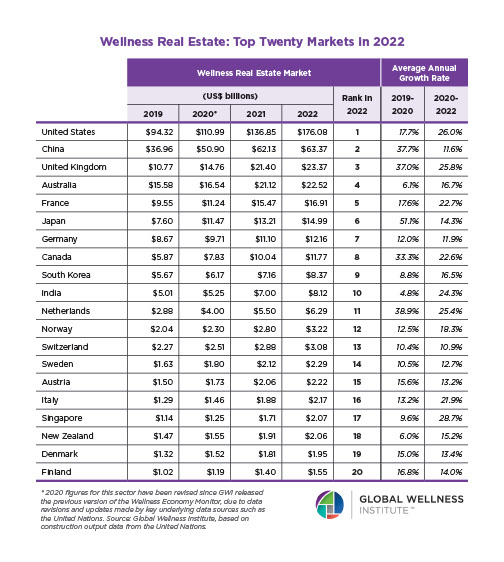
This is why wellness will remain a predominant investment theme as we move forward. All this said, wellness remains elusive. It’s not an asset class and it’s not an industry either, but we know what it is and what it means when we see it, as in wellness real estate. The same goes for other industries. In the same way as we refer to wellness real estate, we could also talk about wellness automotive or wellness aviation. In these two industries, wellness is a fast-growing segment aimed at transforming transportation vehicles into wellness spaces (via developments around biometric and fatigue monitoring, air purification, sensory and stress reduction tech, ergonomics and posture support, etc.). The new wellbeing zone on Quantas Airbus A-350 is one example among many. The point is this: wellness will increasingly be embedded into a broad range of industries, including fashion, retail, corporate workplaces (but in new ways), finance (financial wellness) and more.
BUT BEWARE OF BUBBLES: Having evolved from a potent emerging trend to what is now a major growth engine, the wellness investment theme gives rise to envy. As a recent McKinsey report makes clear, deals are getting more abundant and, more importantly, bigger: “The six largest deals with a health and wellness component since 2021 were all announced or closed in 2025 or later, with a combined value of nearly $89 billion.”
Nothing epitomizes the wellness “craze’” better than the longevity theme. Circumstantial evidence points to an overabundance of deals, particularly in the private market (almost every single-family office seems to be invested in longevity).
In Phuket there were conversations suggesting that longevity may now exhibit the traits of a bubble, with too many investors simply following others into the space, even without knowledge of what longevity means and the science behind it. As it is for AI, this inflow of capital will benefit the science of longevity, but many investors could lose their shirt in the process.
As wellness keeps expanding, investors and practitioners will need to become more discerning. The only investments that will yield a proper return are those that are proven to work and that are science- and evidence-based. For a counter-factual point, look no further than the brewing scandal around Temple, the wearable device developed by an Indian entrepreneur supposed to track blood flow to the brain. Medical experts are questioning its capabilities. One describes it as a fraud similar to Theranos.
COULD THERE BE A LONGEVITY BACKLASH? When a trend gains so much traction and seems to be everywhere, it makes sense to look at a possible countertrend. A very limited (so far?) but rising number of health and wellness professionals are now speaking out against this quest to turn back time. They recommend rejecting the longevity industry and embracing aging. This new article in The New York Times reviews three books recently published that capture a “growing sentiment that a myopic pursuit of longevity is unrealistic, misguided and potentially harmful. The authors—a doctor, dietitian and scientist—make the case that the industry is capitalizing on people’s insecurities and fears about growing older to sell them products they don’t need, or that don’t work.” Worth reading and taking note of their arguments.