Exercise Can Keep Cancer in Remission. Why Is No One Talking About It?–The New York Times
There’s mounting evidence that exercise programs can significantly improve cancer outcomes. Last year, a landmark randomized controlled trial showed that colon cancer patients who participated in an exercise program with a trainer over three years were less likely to see their cancers come back and had a significantly better quality of life. So, why does access to exercise programs remain so limited, when they extend lives and save money for health systems and insurance companies? This article delves into the reasons, focusing on the US where current programs of exercise are largely limited to major cancer centers and dependent on philanthropy or out-of-pocket payments to cover costs, leaving poorer patients and those who live far from these centers without access. As one oncologist noted, “If we had a drug with this magnitude of benefit, it would immediately become standard of care and funded by insurance companies.” Another researcher explains that improving outcomes among cancer patients isn’t as simple as telling them to exercise more. “Exercise is not just biology. It is also behavior.”
PwC Global Survey Reveals a Growing Wellness Market in Transition – Strategy&
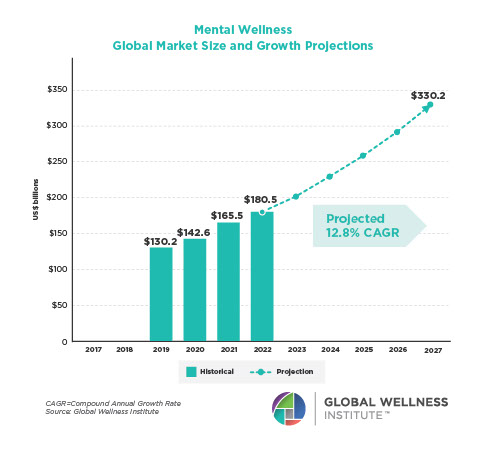
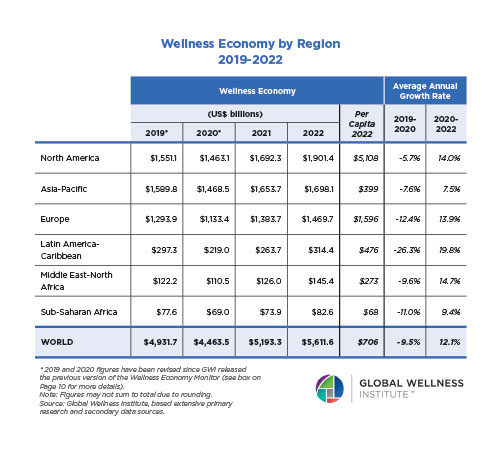
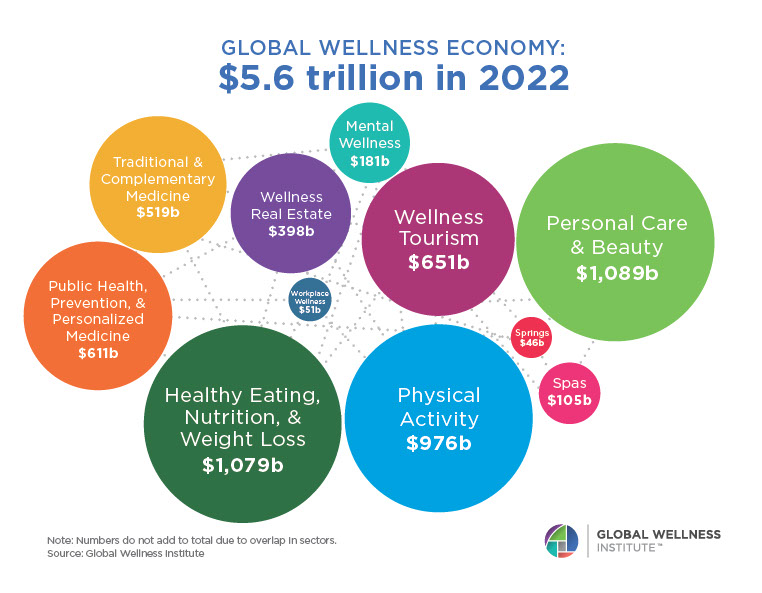
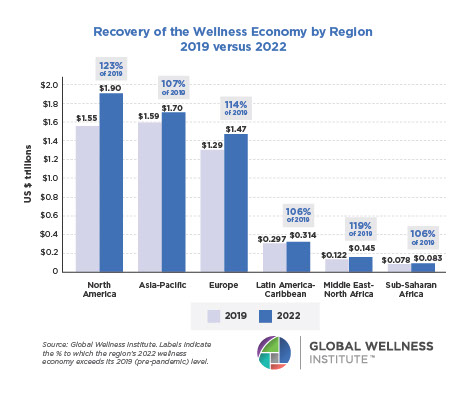
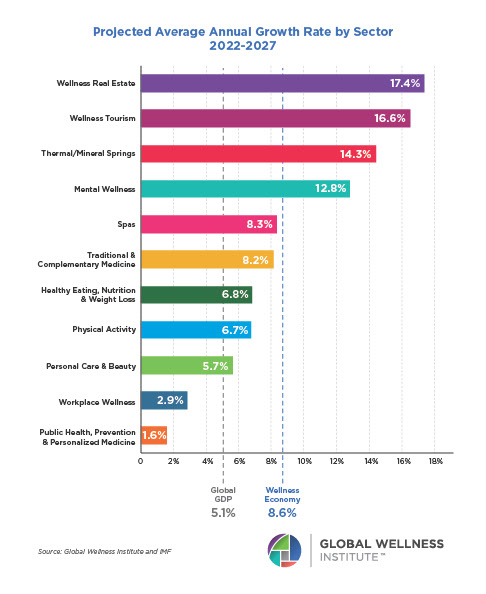
Strategy&’s (a division of PwC) global survey finds that wellness, once a loose category attribute, is becoming a broader consumer operating system. Across categories, wellness propositions are converting interest into durable demand rooted not only in health, but in identity, self-optimization, and aspiration. The survey found that 9 in 10 consumers now consider wellness part of their identity. That centrality is translating into spending resilience: Across income brackets, consumers report a willingness to maintain spending on wellness products/services, even as they cut discretionary spending elsewhere. Multiple categories of wellness goods/services are becoming less discrete and more interconnected. Wellness companies are outperforming: Between 2022 and 2025, their benchmark wellness leaders delivered a 10% compound annual growth rate, versus 5% for a broader consumer composite, alongside average EBIT (earnings before interest and taxes) margins of 12% versus 7%.
A Remarkable New Picture Is Emerging of How Pollution Harms the Brain–The Washington Post
Pollution has long been indirectly linked with dementia. Now scientists wonder, with more new studies, whether it could actually be physically reshaping the brain. Last year, startled scientists reported that the average human brain they studied contained roughly a plastic spoon’s worth in microplastics. Now, a deeper look suggests a much broader assortment of material from the outside world — silica, metals, soot and other debris — is getting through to our gray matter. Studying the brain tissue of people who died, they discovered that some particles had penetrated deep into the brain, reaching the amygdala, a region that helps shape emotion and memory. The finding is part of a broad shift in how scientists are thinking about the link between air pollution and conditions that impact the brain such as dementia, Parkinson’s and autism. The issue becomes more urgent as climate change alters the air around us.
Will Anyone Actually Ever Live to 200?–The New York Times
Some experts are optimistic that science will eventually find ways to extend life, but many longevity claims are unrealistic. A look at the science.
A Striking Stat: Vegetables, fruits and cereals have lost up to half of their essential nutrients in the last 60 years.
Source: New Hollow Harvests report
Read more about the findings, how industrial farming is much to blame, and how climate change will only make it worse.