Why We Need to Take Men’s Health More Seriously
The latest suicide statistics from the UK’s Office for National Statistics (ONS) released last week make for deeply troubling reading. In England and Wales, men aged 50–54 recorded a suicide rate of 28 deaths per 100,000 in 2025, the highest rate for this age group since records began in 1981. The rate rose from 27.3 in 2024. [ONS, October 2026]
These are more than statistics. They represent lives lost, families devastated and a stark reminder that we are still not doing enough to understand and support men’s health, particularly during midlife.
As someone who works in coaching, psychology and men’s wellbeing, I believe we need a much more open conversation about what happens to men as they move through their forties, fifties and beyond. We need to look beyond the stereotypes of the midlife crisis and recognize the complex interplay between physical health, psychological wellbeing, relationships, work and identity.
The gap between expectation and reality
When we’re younger, we tend to look ahead to midlife with a fairly predictable vision of how life will turn out. We’ll be successful in our careers, financially secure, in a happy relationship, physically healthy and confident in who we are. We’ll have achieved something. We’ll have made it.
But for many men, the reality is rather different.
We reach midlife and discover that we’re not where we thought we’d be. Relationships may have broken down. Our careers may have stalled or become a source of stress rather than satisfaction. Financial responsibilities can feel relentless. Children may be leaving home, ageing parents may need support, and the physical resilience we once took for granted may be starting to fade.
And even for those who have achieved everything they set out to achieve, there can be an uncomfortable realisation: what I’ve spent my life working towards isn’t necessarily what I want any more.
This can be a difficult thing to admit, particularly when, from the outside, life looks successful.
There’s a particular kind of shame that can accompany midlife dissatisfaction. We tell ourselves we should be grateful. We have a good job, a home, a family and a reasonable standard of living. What right do we have to feel unhappy?
We compare ourselves with others, replay the decisions we wish we’d made differently and dwell on the opportunities we’ve missed. We become preoccupied with the should-haves, could-haves and might-have-beens.
But gratitude and unhappiness can coexist. You can appreciate what you have and still recognise that something needs to change.
Feeling unfulfilled at midlife doesn’t make you weak, ungrateful or a failure. It makes you human.
Midlife is a natural point for reflection. We become more conscious of the time behind us and the time ahead. That awareness can be uncomfortable, but it can also be enormously valuable. The question is whether we see this stage of life as evidence that we’ve somehow got it wrong, or as an opportunity to decide what we want the next chapter to look like.
Why Are So Many Men Struggling?
There is no single explanation for the elevated suicide rate among middle-aged men. Suicide is complex, and individual circumstances vary enormously. However, there are several interconnected issues that deserve greater attention.
-
Men are often poorly equipped to talk about how they feel
Many men have grown up with the idea that being strong means being self-reliant. We learn to solve problems, provide for others, get on with things and keep our emotions under control.
These qualities can be useful. But when they become rigid expectations, they can make it incredibly difficult to admit that we’re struggling.
A man may be perfectly comfortable discussing his business, his investments, his fitness regime or his children’s achievements, yet find it almost impossible to tell a friend that he’s lonely, anxious, frightened or unhappy.
He may not even have the language to describe what he’s experiencing.
Instead, distress can manifest as irritability, withdrawal, anger, overwork or a growing dependence on alcohol and other substances. Sometimes, the people around him notice that something has changed, but nobody knows how to start the conversation.
We need to broaden our understanding of what strength looks like. Being able to acknowledge a problem, ask for help and have an honest conversation about difficult emotions are not signs of weakness. They are important life skills.
-
The erosion of social connection
Friendships are an essential part of our psychological wellbeing, yet many men find that their social networks shrink as they get older.
Work takes priority. Family responsibilities consume our time. Friends move away, relationships change and the regular opportunities to socialise that once existed become less frequent.
For some men, their partner becomes their principal source of emotional support. If that relationship ends, or becomes strained, they may discover that they have very few other people they feel able to turn to.
There is a difference between having people around you and feeling genuinely connected to them.
Men need relationships in which they can be honest about what’s happening beneath the surface, rather than feeling that they always have to be the dependable one who has everything under control.
Building and maintaining those relationships needs to be treated as an important part of looking after our health, not an optional extra when work and other responsibilities have been dealt with.
-
Success, identity and the pressure to keep performing
For many men, identity is closely tied to what they do, what they earn and what they can provide.
Work can give us purpose, structure, status and a sense of competence. But when our identity rests almost entirely on professional success, any threat to that success can feel like a threat to who we are.
Redundancy, a business failure, financial pressure, a change in professional status or the realisation that our career no longer fulfils us can trigger a profound loss of identity.
The same applies to relationships. Divorce, separation or the breakdown of a long-term partnership can leave men questioning not only their future but their sense of self.
Midlife often forces us to confront a difficult question: if I’m no longer defined by my job, my achievements or my role as a provider, who am I?
That question can be unsettling. But it can also be the beginning of a more sustainable understanding of success, one based on values, relationships, purpose and personal fulfilment rather than external validation alone.
-
Physical health and hormonal change
There is another aspect of midlife male health that receives far less attention than it deserves: the physical and hormonal changes associated with ageing.
Testosterone, the primary male sex hormone, generally declines gradually from early adulthood. The rate varies considerably between individuals, and a decline in testosterone does not automatically mean a man has a medical problem. However, some men experience symptoms that warrant further investigation.
These can include reduced libido, erectile difficulties, fatigue, changes in mood, reduced muscle mass and difficulty concentrating. Similar symptoms can also be associated with poor sleep, depression, stress, other medical conditions or lifestyle factors.
The term andropause is sometimes used to describe age-related hormonal changes in men. However, it is not a direct equivalent of female menopause. Testosterone does not typically decline abruptly in all men, and clinically significant testosterone deficiency needs proper assessment.
This distinction matters. We should not medicalise every challenge of midlife, but neither should we dismiss physical symptoms as simply part of getting older.
When a man feels persistently exhausted, loses interest in sex, experiences changes in mood or struggles with unexplained changes in his physical health, he deserves a proper conversation with a healthcare professional.
Testosterone testing may be appropriate where symptoms suggest deficiency, but diagnosis should be based on symptoms and appropriately timed blood tests, not age alone.
There is also a wider point here: physical and psychological health are deeply interconnected. Poor sleep can affect mood and concentration. Chronic stress can undermine healthy behaviours. Depression can reduce motivation to exercise or maintain relationships. Physical symptoms can affect confidence and intimacy.
We cannot address men’s midlife wellbeing effectively by treating the body and mind as if they operate independently.
-
The impact of chronic stress
Midlife can be a particularly demanding period because pressures often arrive from several directions at once.
A man may be leading a team at work, managing financial commitments, supporting children, caring for ageing parents and trying to maintain a relationship, all while feeling that he should be performing at his best.
There can be little room to pause and consider the cumulative effect of these demands.
Over time, chronic stress can affect sleep, mood, concentration, blood pressure, physical activity and eating habits. It can also leave us more reactive, less patient and less able to make thoughtful decisions.
Some men respond by working harder. Others withdraw, become increasingly irritable or seek relief through alcohol, drugs or other behaviours that offer temporary escape but create further problems over time.
The danger is that these responses can become a self-reinforcing cycle. We feel under pressure, adopt coping strategies that undermine our health, feel worse as a result and then have fewer resources available to manage the original pressure.
Recognising this pattern is important. It allows us to move away from self-criticism and towards practical intervention.
What Can Men Do To Protect Their Health?
The scale and complexity of these issues can feel overwhelming, but there are meaningful steps men can take to improve their physical and psychological wellbeing.
No lifestyle intervention can guarantee protection against mental ill health or suicide, and professional treatment is sometimes essential. Nevertheless, the foundations of good health are worth investing in.
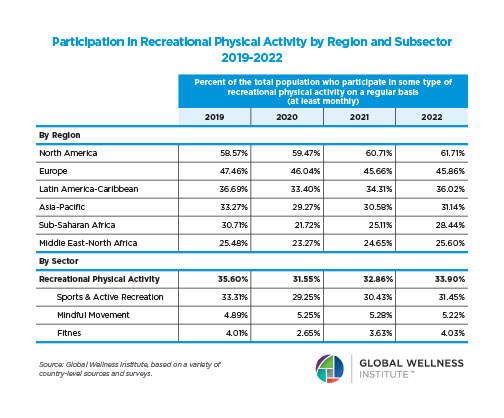
Prioritize physical activity. Regular exercise supports physical health, mood and sleep. Resistance training can help preserve muscle mass and strength as we age, while cardiovascular exercise supports heart health and fitness. Consistency matters more than an extreme or unsustainable programme.
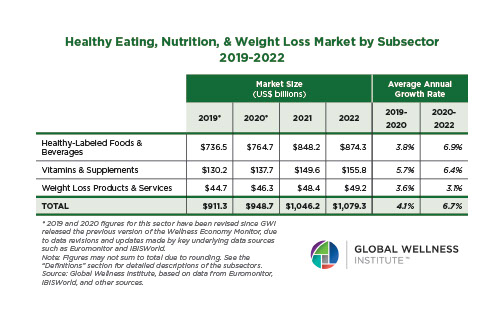
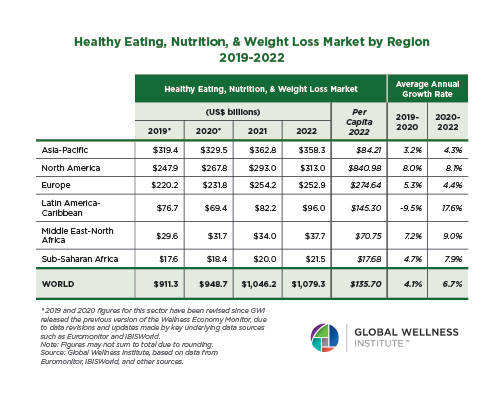
Take nutrition seriously. A balanced diet built around whole foods, vegetables, fruit, fibre, adequate protein and healthy fats can support energy and long-term health. Reducing excessive alcohol and highly processed foods may also help. There is no single diet that solves every midlife problem, but the basics make a difference.
Protect sleep and recovery. Sleep is not a luxury or a sign of laziness. Establishing a consistent routine, addressing persistent sleep difficulties and making space for recovery can improve how we feel and function. Ongoing fatigue deserves investigation rather than simply another coffee.
Invest in relationships. Don’t wait until you’re struggling to reconnect with old friends or build new friendships. Make the call, arrange the walk, join the group and create opportunities for conversations that go beyond work and everyday logistics. Start by being a little more honest about how you’re doing.
Seek professional support when you need it. Speak to your GP about persistent changes in mood, energy, libido or physical health. A qualified therapist, psychologist or counsellor can help you understand patterns of thinking and behaviour, work through difficult experiences and develop healthier ways of responding to stress.
Reconnect with what matters. Reflect on your values, set meaningful goals and consider whether the way you’re spending your time reflects the person you want to be. If your life looks successful on paper but feels empty in practice, that is worth exploring rather than dismissing.
Build psychological flexibility. Learn to recognise difficult emotions without automatically trying to suppress or escape them. Practise self-compassion, develop problem-solving skills and recognise when circumstances require a change of direction. You don’t have to control everything to take responsibility for your next step.
These actions are not a substitute for medical or psychological care where it is needed. They are part of building a stronger foundation from which to navigate the challenges of midlife.
What Can Partners, Families And Employers Do?
Men’s health is not solely an individual responsibility. The environments in which men live and work can either encourage them to seek support or make it harder for them to do so.
Partners and family members can help by creating space for honest conversations without immediately trying to fix everything. Sometimes the most valuable response is simply to listen, acknowledge what someone is saying and ask what support would be helpful.
It is also important to notice changes. A man who becomes unusually withdrawn, increasingly irritable, loses interest in things he once enjoyed or starts drinking more heavily may be struggling, even if he insists that everything is fine.
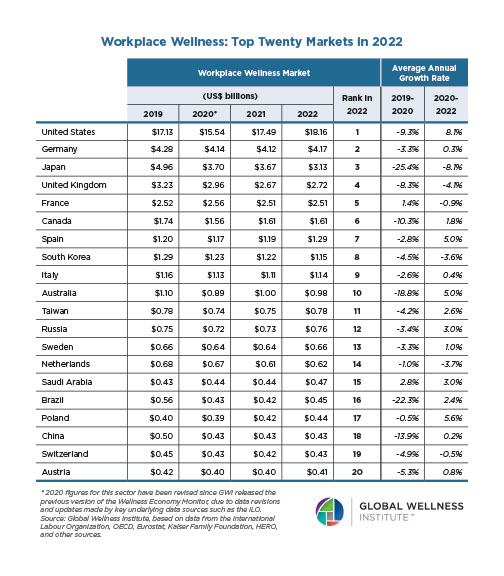
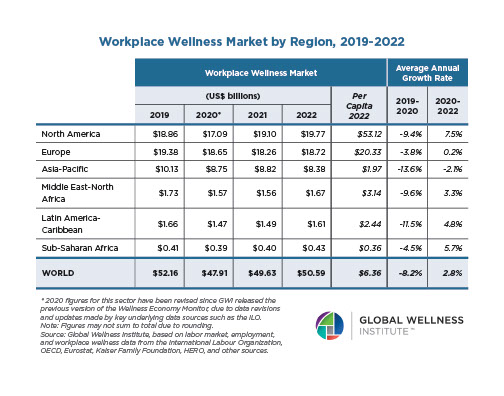
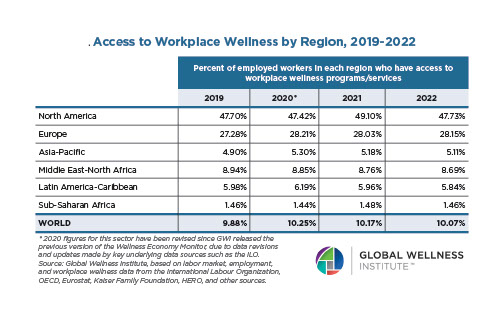
Employers have a role to play, too. Workplace wellbeing initiatives should recognise that men may experience stress, anxiety, relationship difficulties, financial pressures and physical health changes that affect their lives both inside and outside work.
Providing a wellbeing webinar or publishing a mental health policy is a start, but organisations also need cultures in which people feel safe admitting that they are struggling.
Managers need the confidence to have sensitive conversations, employees need access to appropriate support, and men’s physical and psychological health should be discussed without embarrassment or stigma.
This is particularly important for senior leaders. The higher someone rises in an organisation, the more they may feel obliged to project confidence and certainty. The assumption that seniority makes someone immune to personal difficulties is both unrealistic and potentially damaging.
In my work with organisations, I continue to advocate for greater education around midlife male health. I’ve delivered talks to global organisations and am working to bring these conversations into more workplaces and healthcare settings.
I wrote The Midlife Male Handbook to provide men with a practical framework for understanding this stage of life, at a time when awareness remains limited. My aim is to help men recognise what may be happening to them, understand the options available and feel more equipped to take action.
Education matters because we cannot address a problem we don’t recognise, and we cannot expect men to ask for help if they don’t understand what they’re experiencing or where to turn.
Midlife Should Be A New Beginning, Not The Beginning Of The End
We need to change the way we think about midlife, particularly when it comes to me. Increasingly for women, thanks to greater awareness around the menopause, midlife is seen as an opportunity for growth and something positive. We’re not there yet for men.
Too often, it is portrayed as a period of decline: the loss of youth, physical capability, professional relevance or sexual confidence. The familiar image is of a man buying a sports car, making an impulsive decision or desperately trying to recapture his younger self.
That caricature overlooks the real issues and misses the opportunity.
Midlife can be a time of greater self-awareness, emotional maturity and perspective. We have experience to draw on. We know more about ourselves, what matters to us and what we no longer want to tolerate. We may have greater freedom to make different choices, pursue neglected interests and build more meaningful relationships.
But we cannot simply tell men to embrace the next chapter and expect everything to fall into place. Some will need medical treatment, psychological support, financial advice or help navigating significant life changes. Others will need time, connection and the confidence to admit that the life they’ve built needs adjusting.
What they should not need is to feel ashamed of asking for help.
The latest ONS figures should serve as a call to action. We need more awareness of midlife male health, better conversations about the pressures men face, and accessible support that addresses physical, emotional and psychological wellbeing together.
We need partners, families, healthcare professionals and employers to be part of that conversation.
And we need men themselves to understand that looking after their health is not an indulgence, that vulnerability is not the opposite of strength, and that they do not have to wait until they reach breaking point before asking for help.
Midlife is not a problem to be endured. It is a stage of life to be understood, supported and, where necessary, reimagined.
We owe men more than the instruction to keep going. We owe them the knowledge, support and permission to do things differently.
Because the goal isn’t simply to get men through midlife. It’s to help them live the second half of their lives with better health, stronger relationships, greater purpose and a genuine sense of possibility.